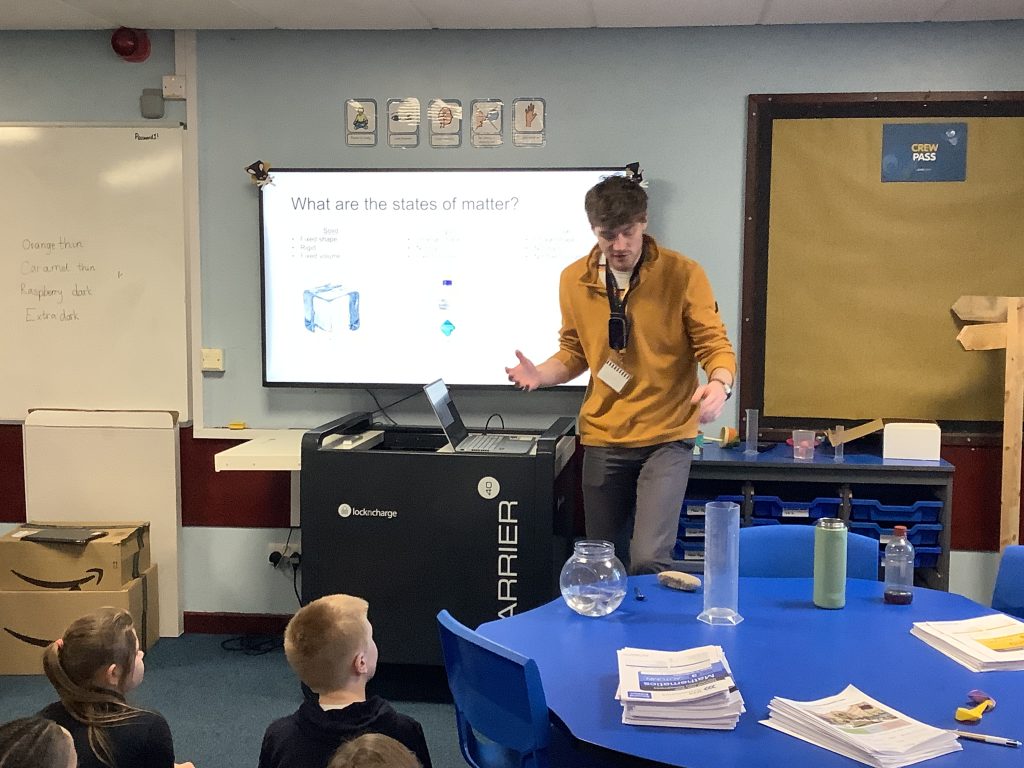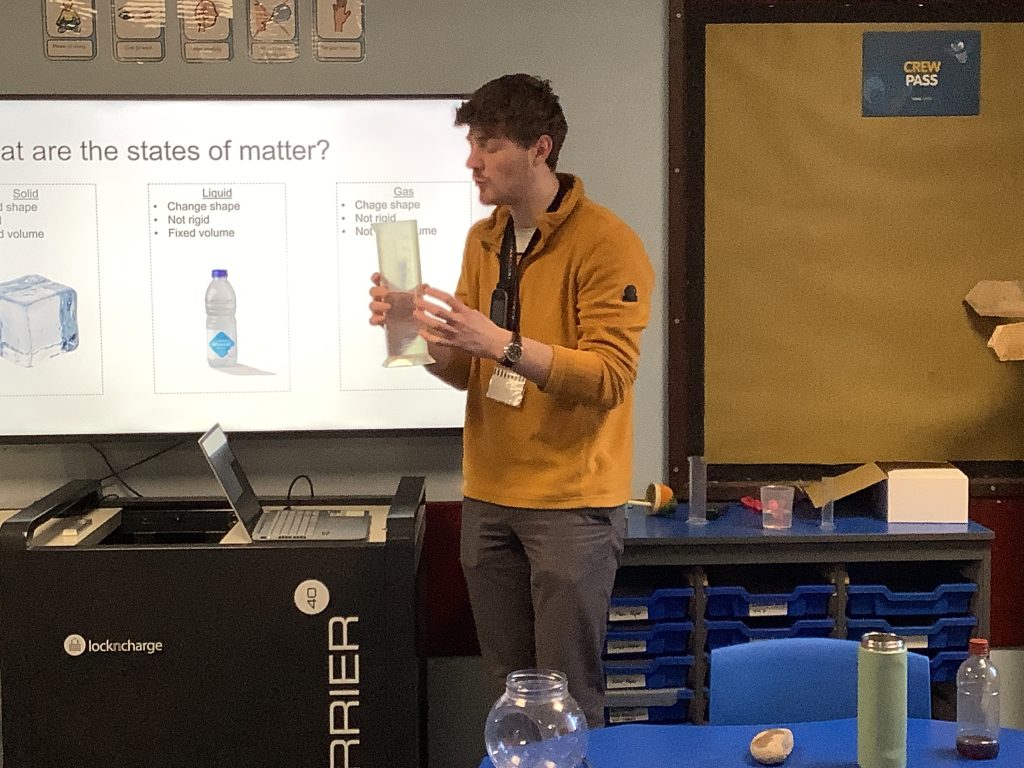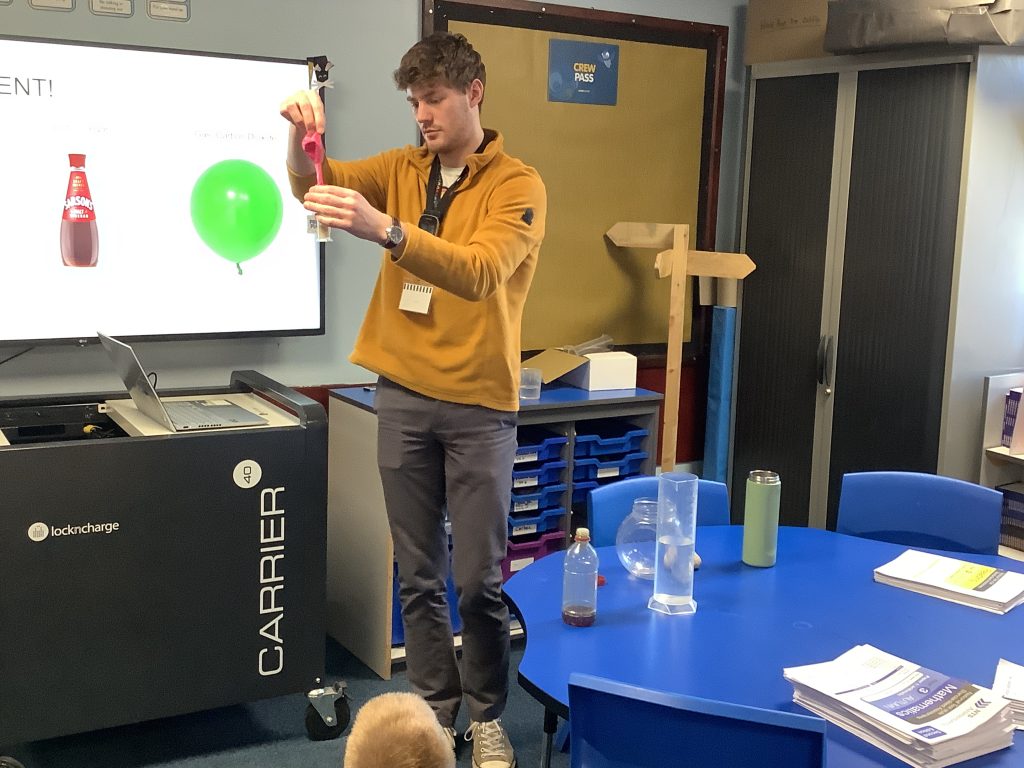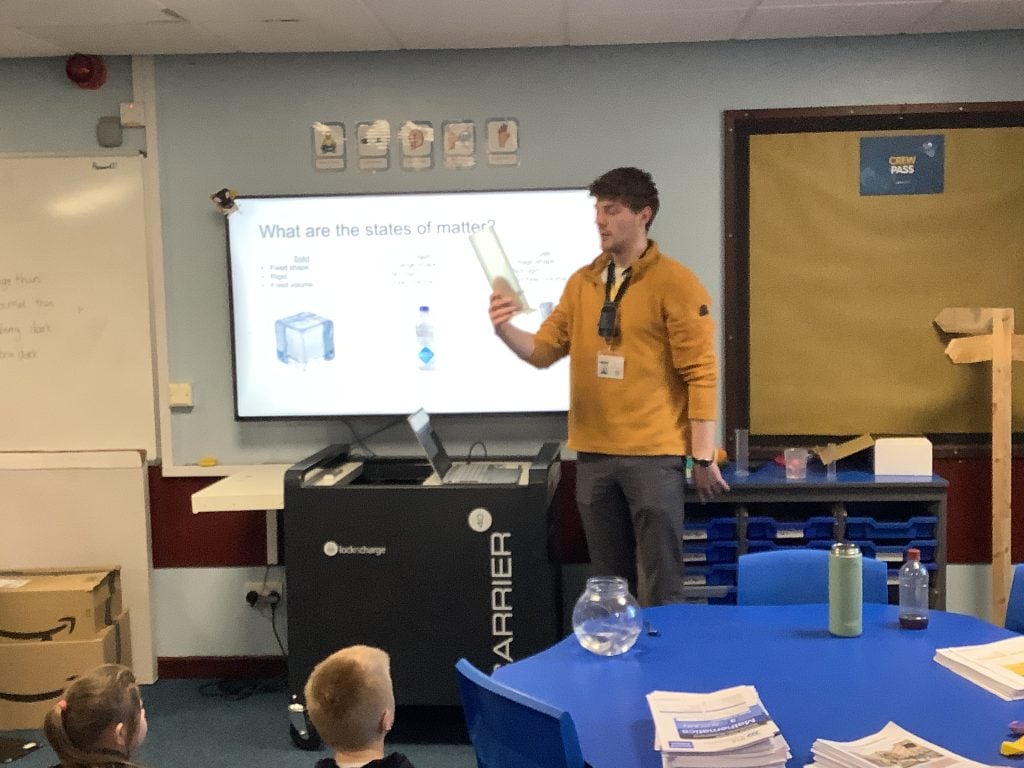
Investigating states of matter

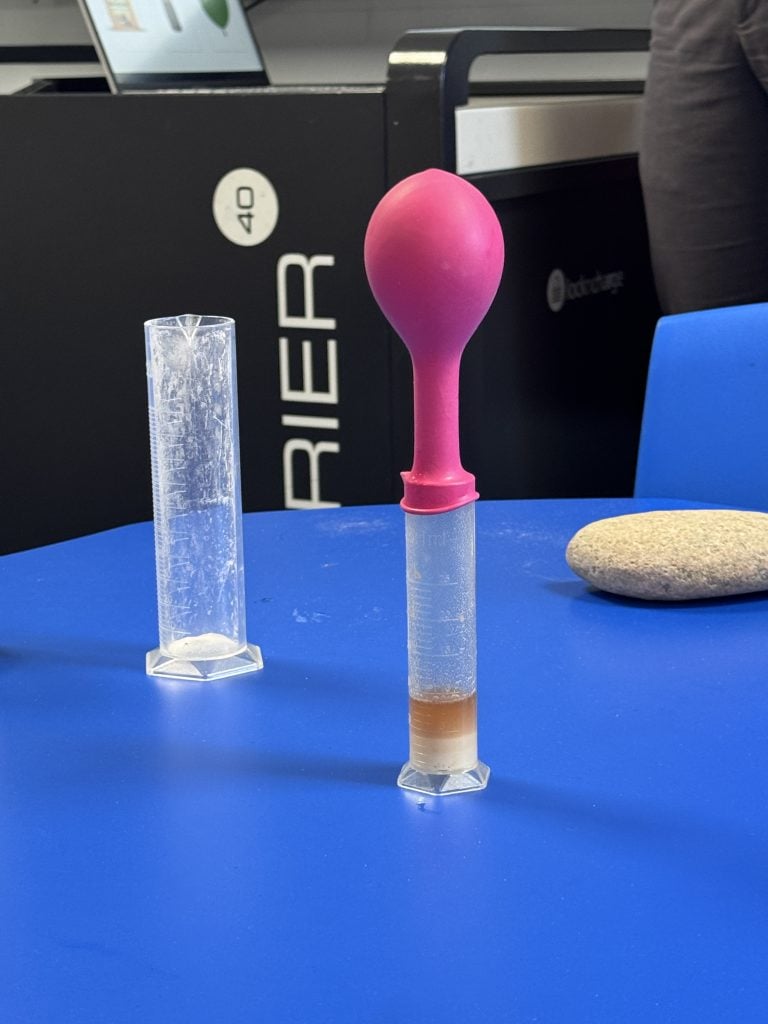
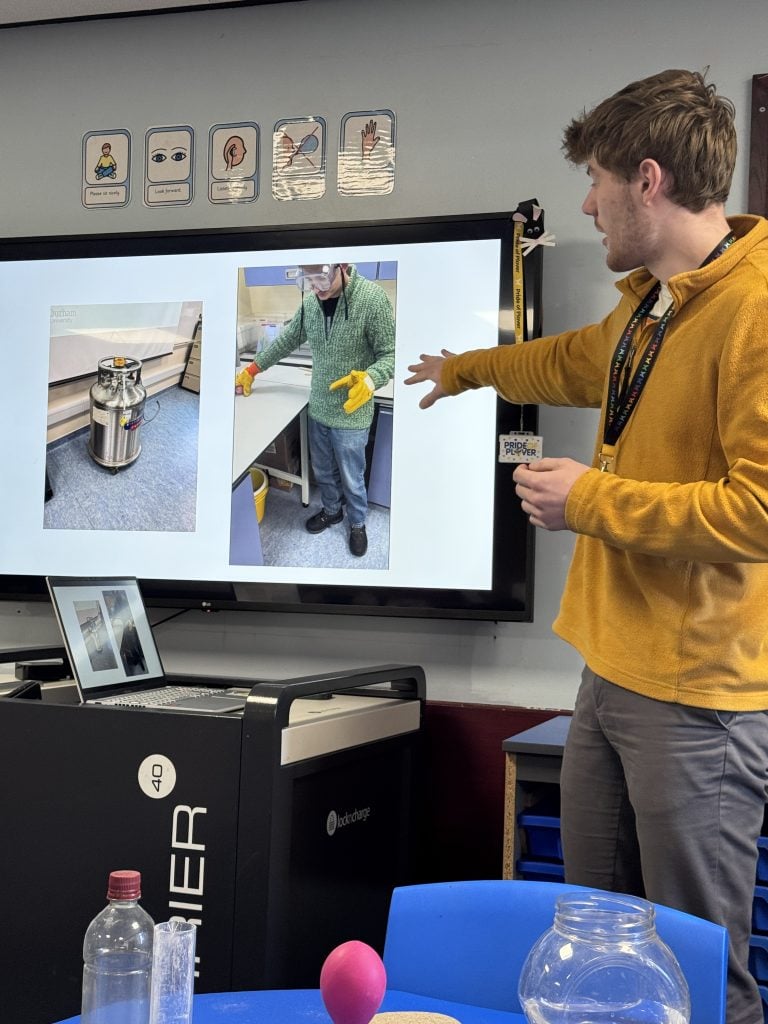
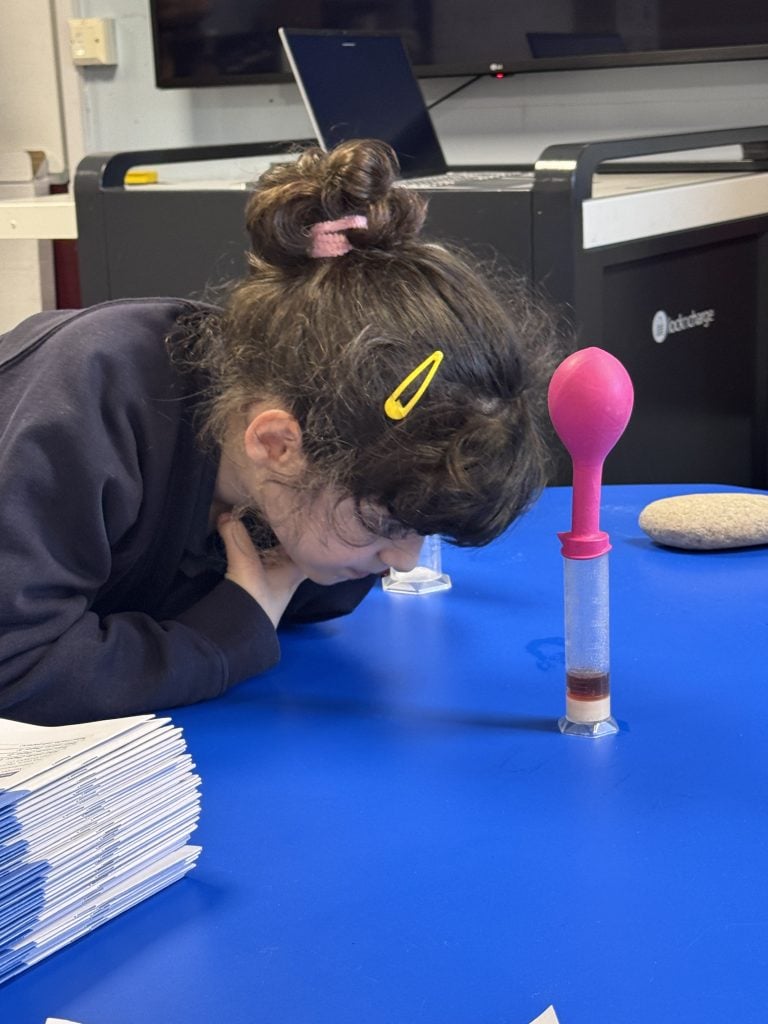
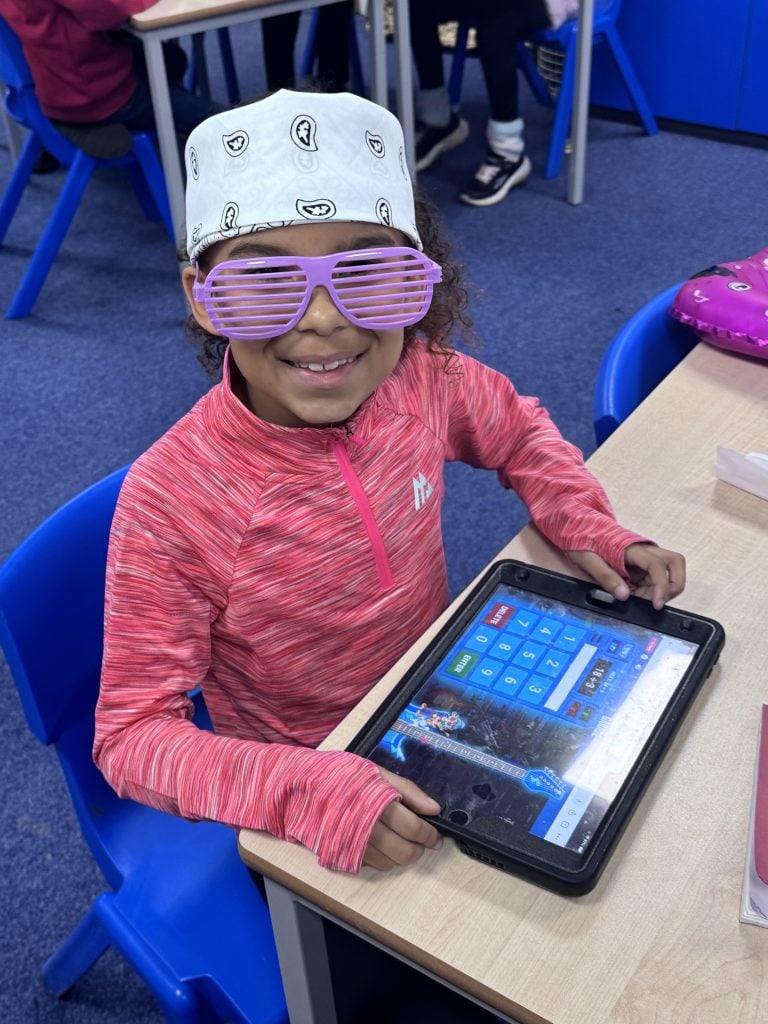
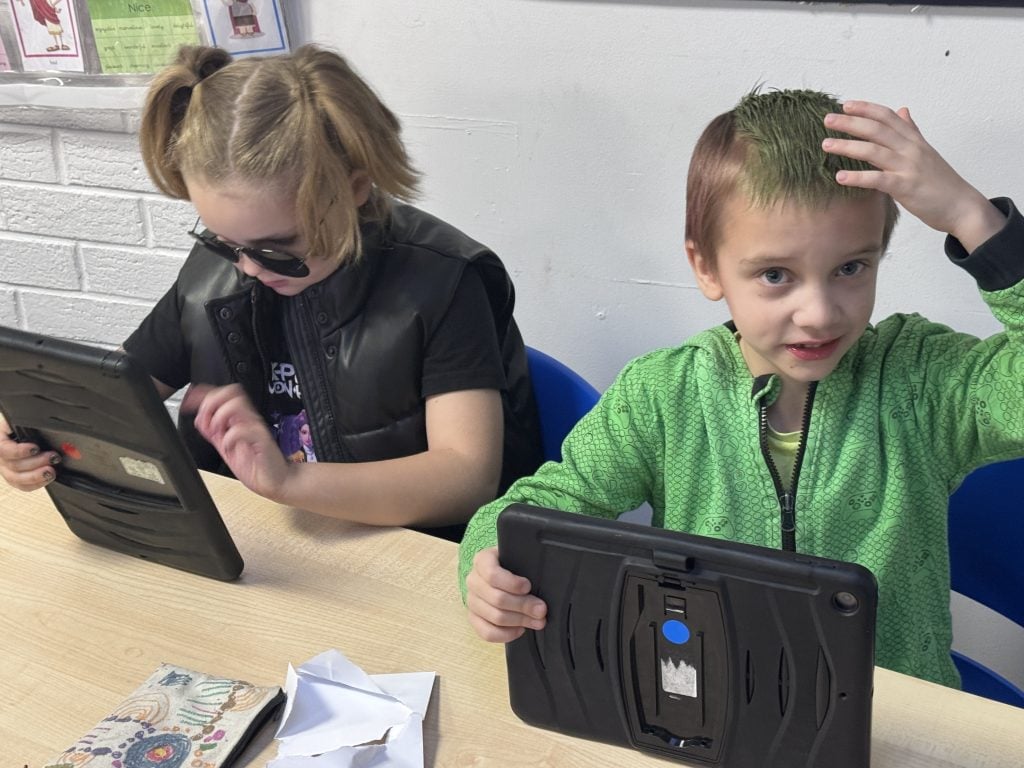
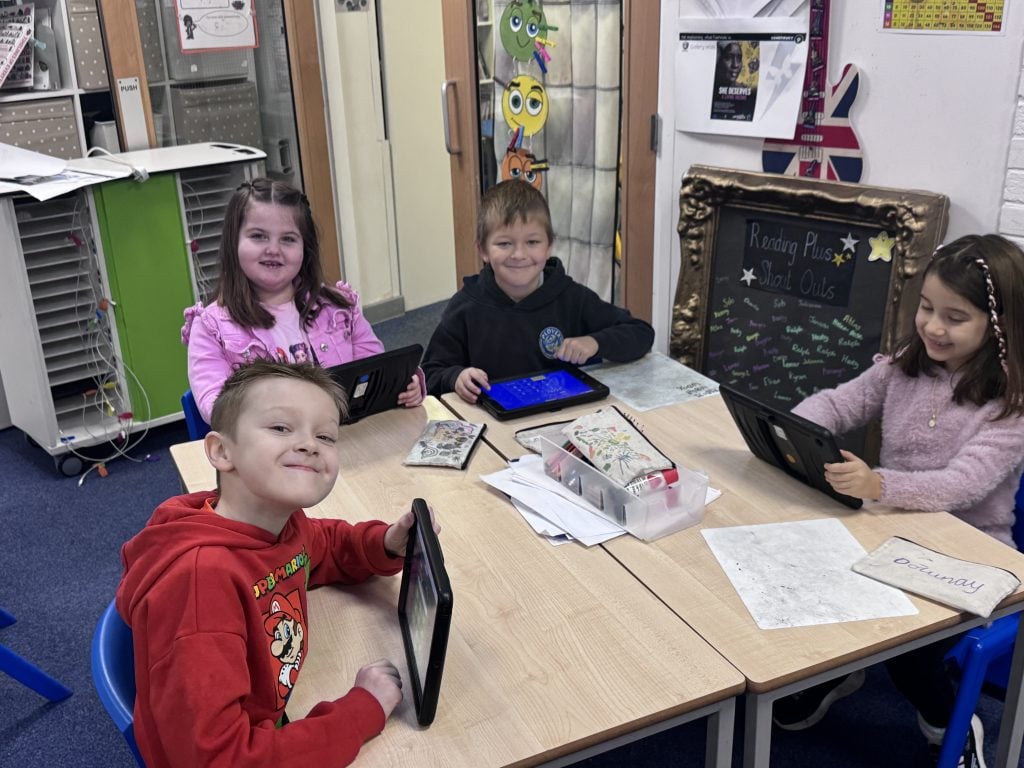
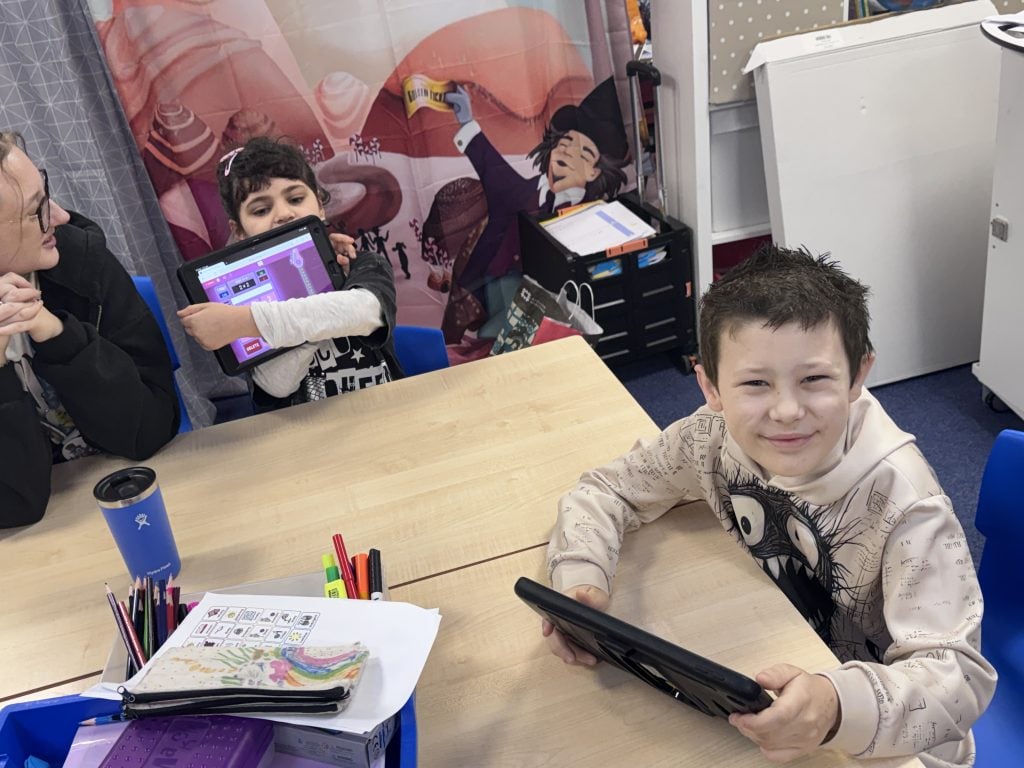
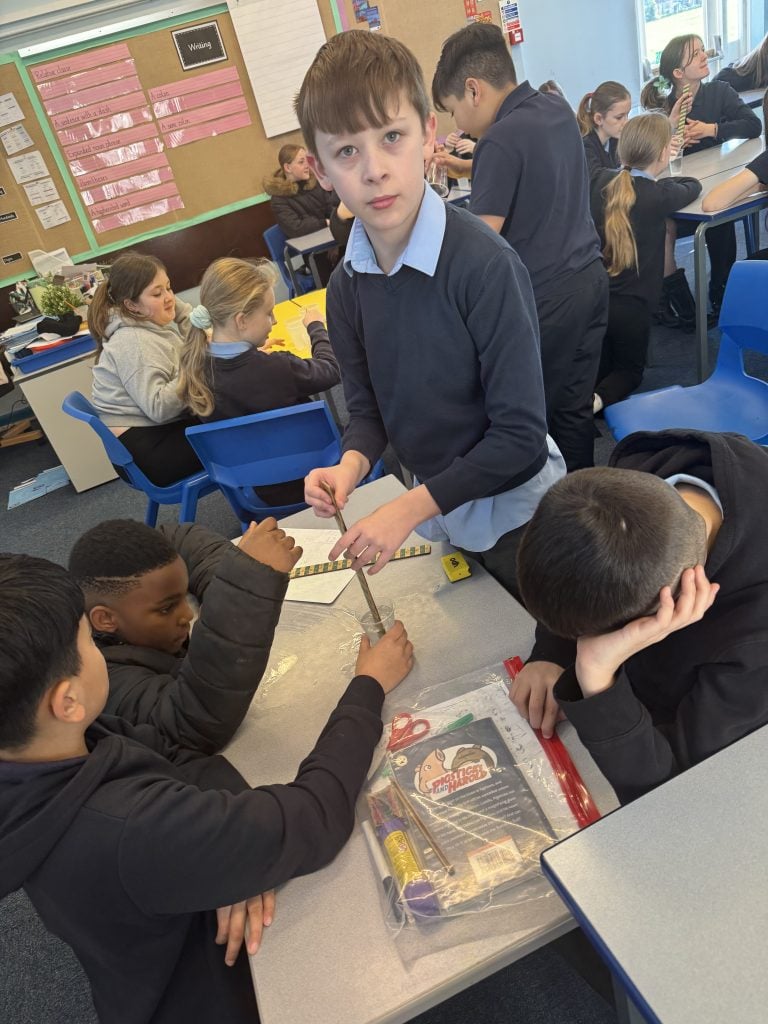
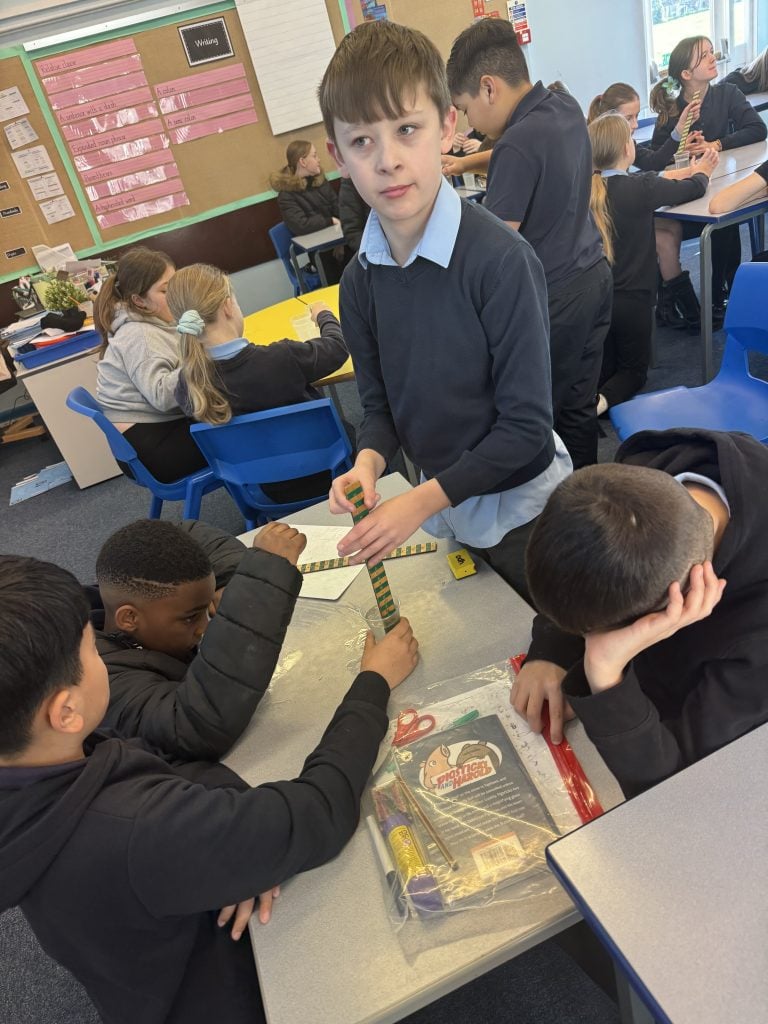
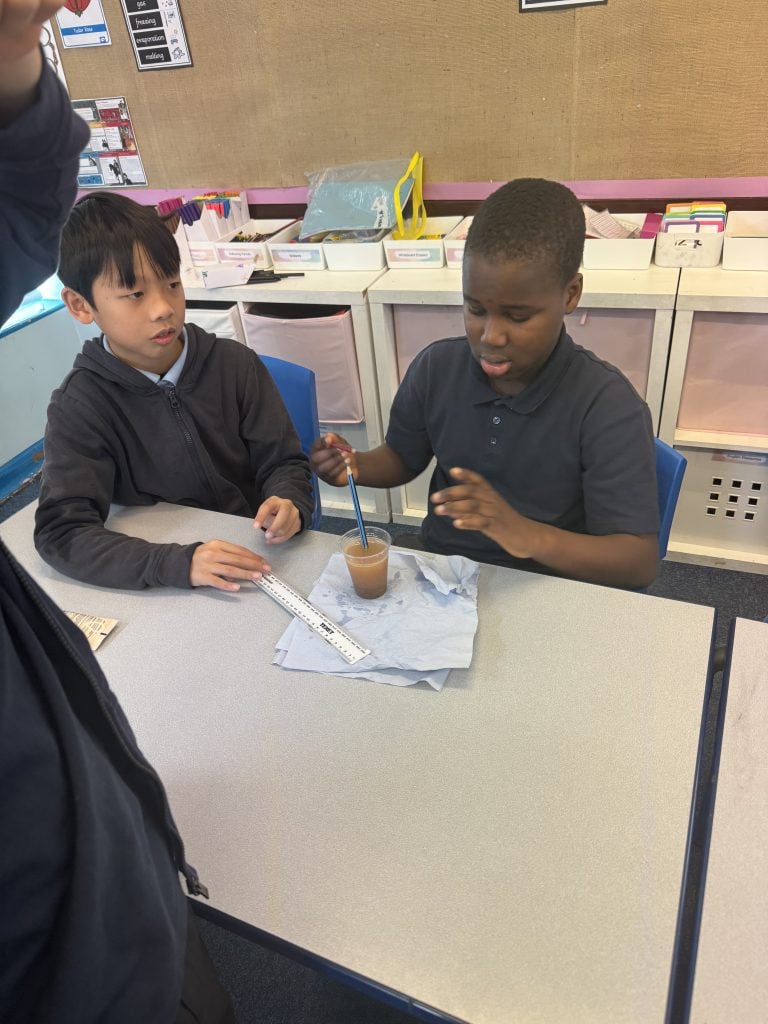
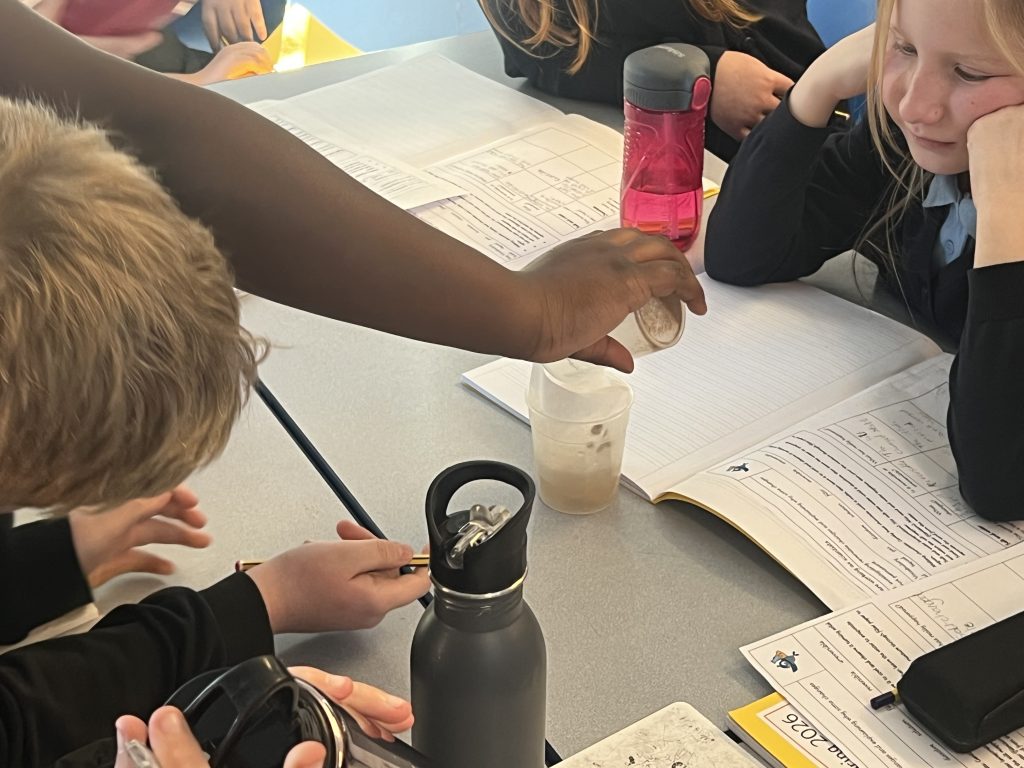
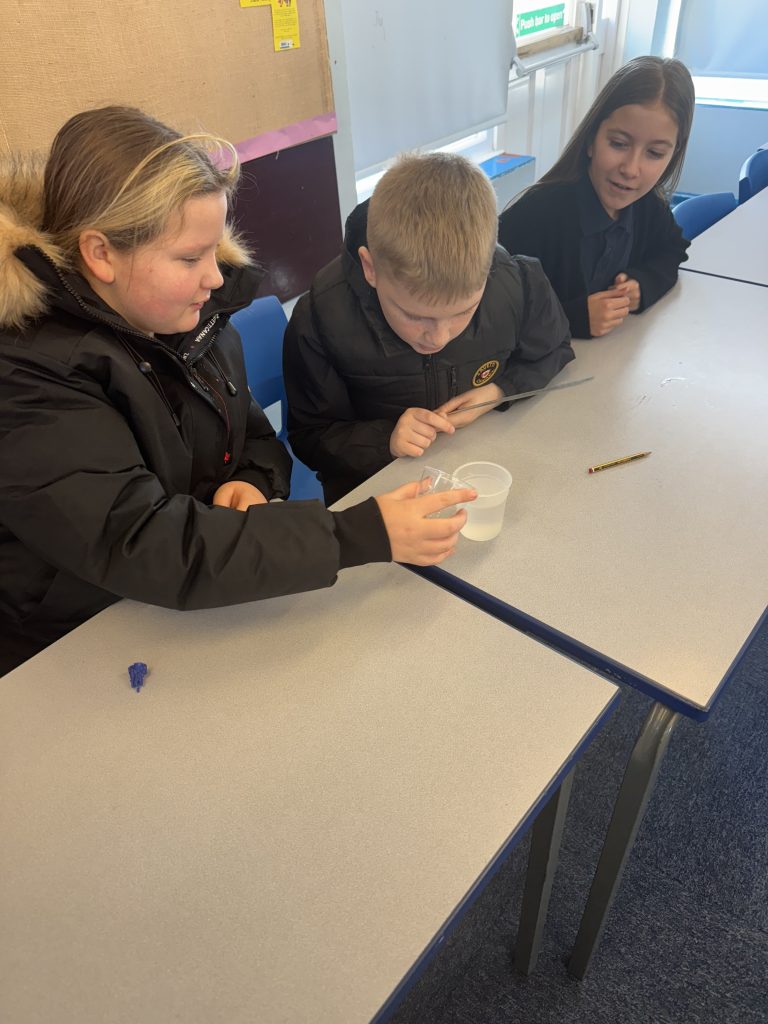
As part of our immersion into our new expedition, Years 5 and 6 spent a day investigating changes in states of matter, understanding how solid substances such as salt and sugar can dissolve in water (becoming liquid), then the water evaporates to reverse the change of state, leaving solid crystals of salt or sugar.

We also understood how sand didn’t dissolve in water, but remained solid, sinking to the bottom of the liquid. We were able to retrieve the sand by using a filter.

We discussed how, in the past, science was unable to explain these changes of state and may have led to claims of witchery.

Super scientists!

6B kick started their first case study today and became scientists. They predicted if solids would dissolve in liquids and if the temperature would impact the final results. They further developed their prior knowledge of states of matter. We are looking forward to even more science experiments tomorrow!

-Miss Blackham

#LovePlover
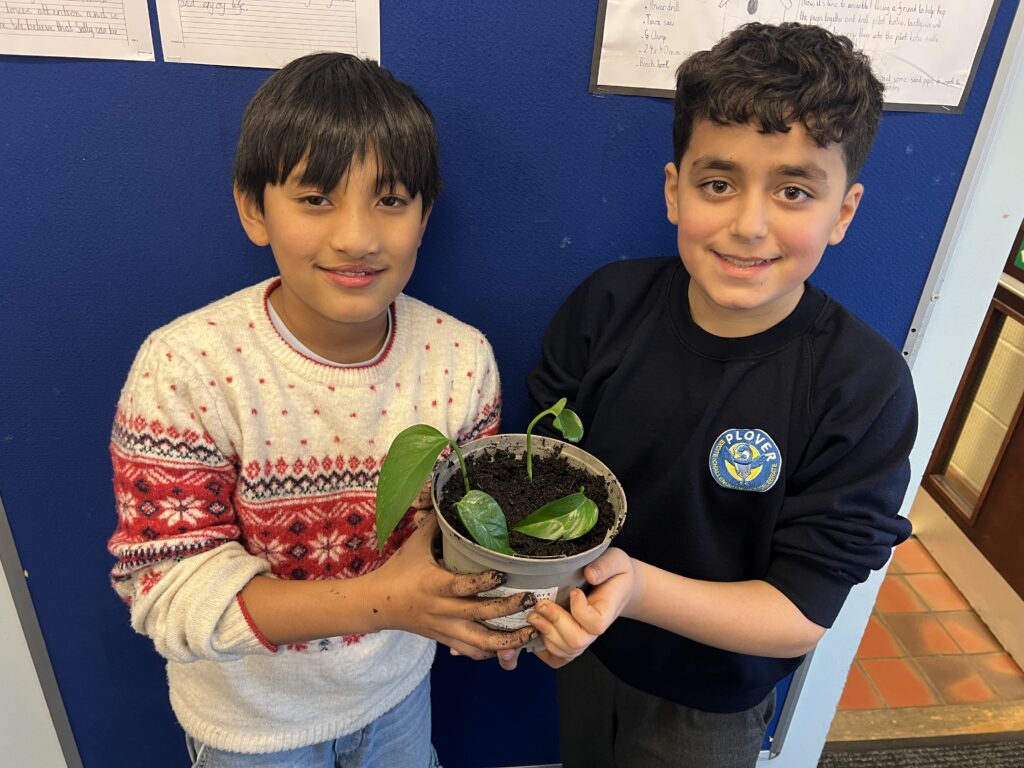
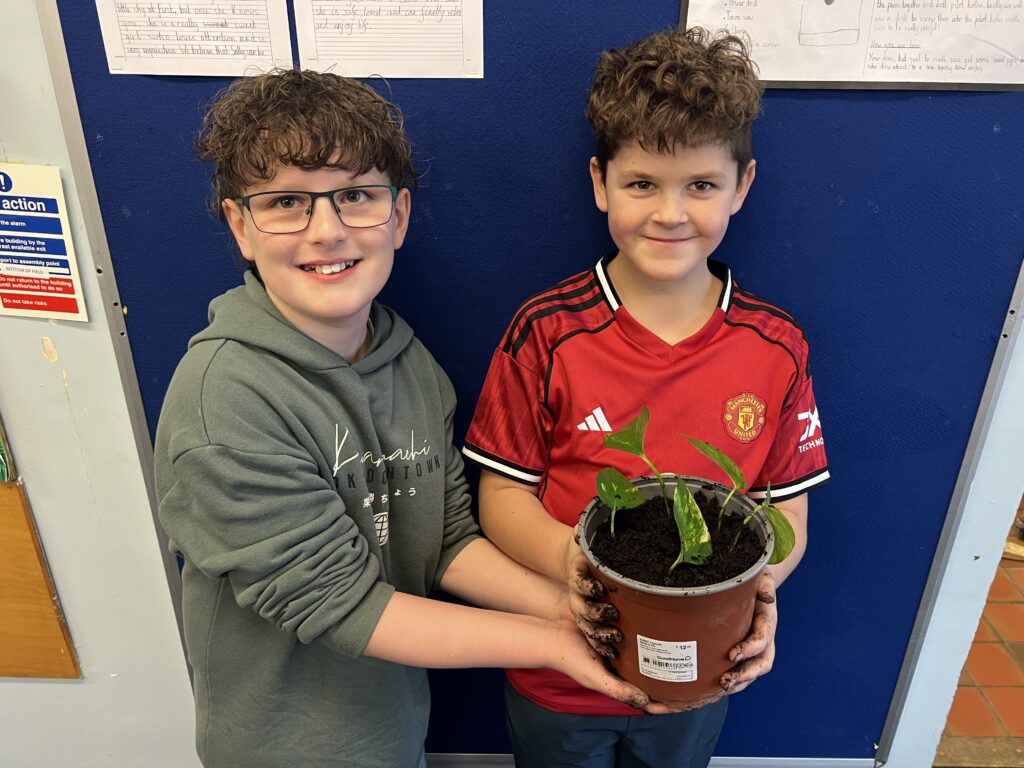
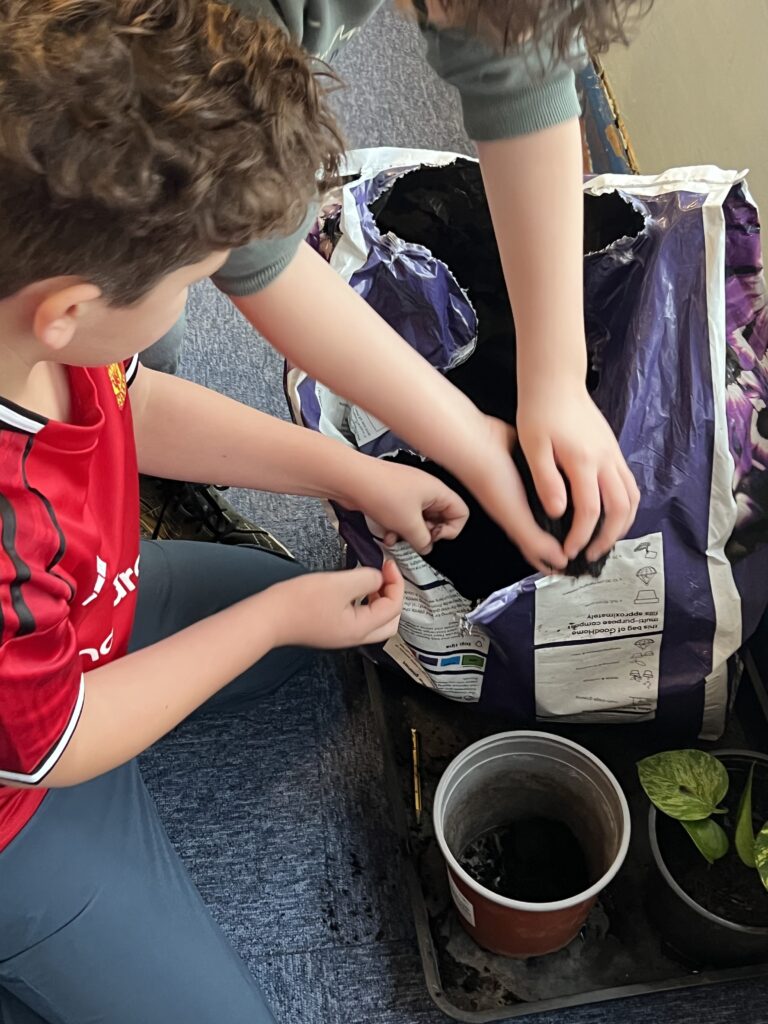
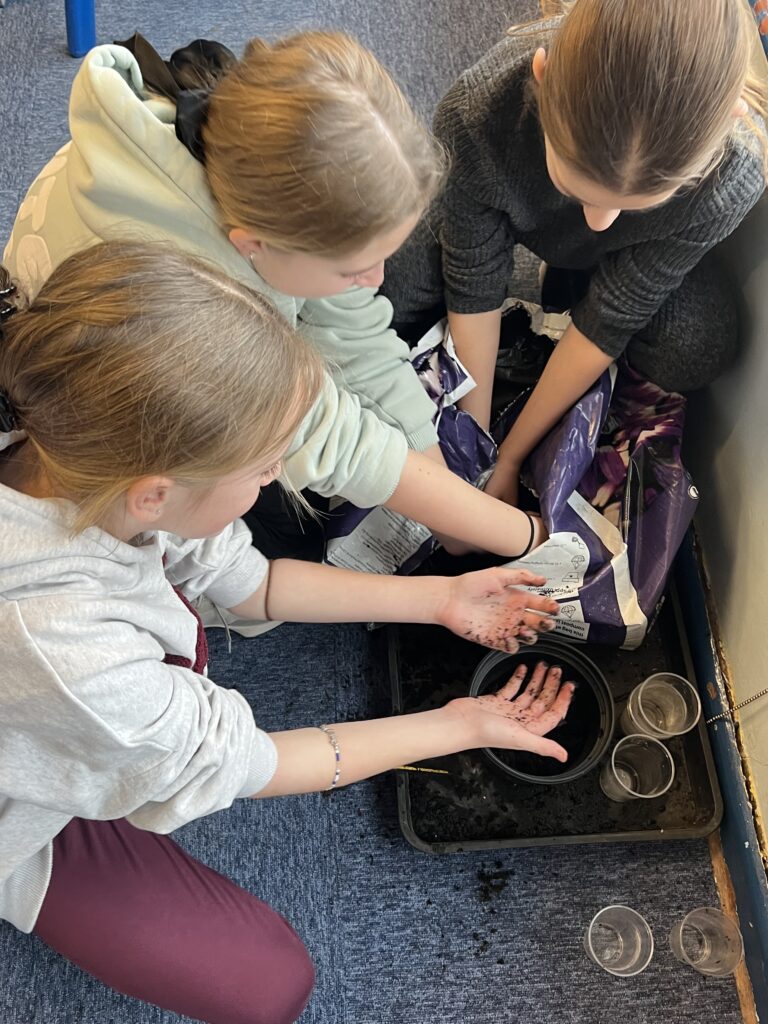
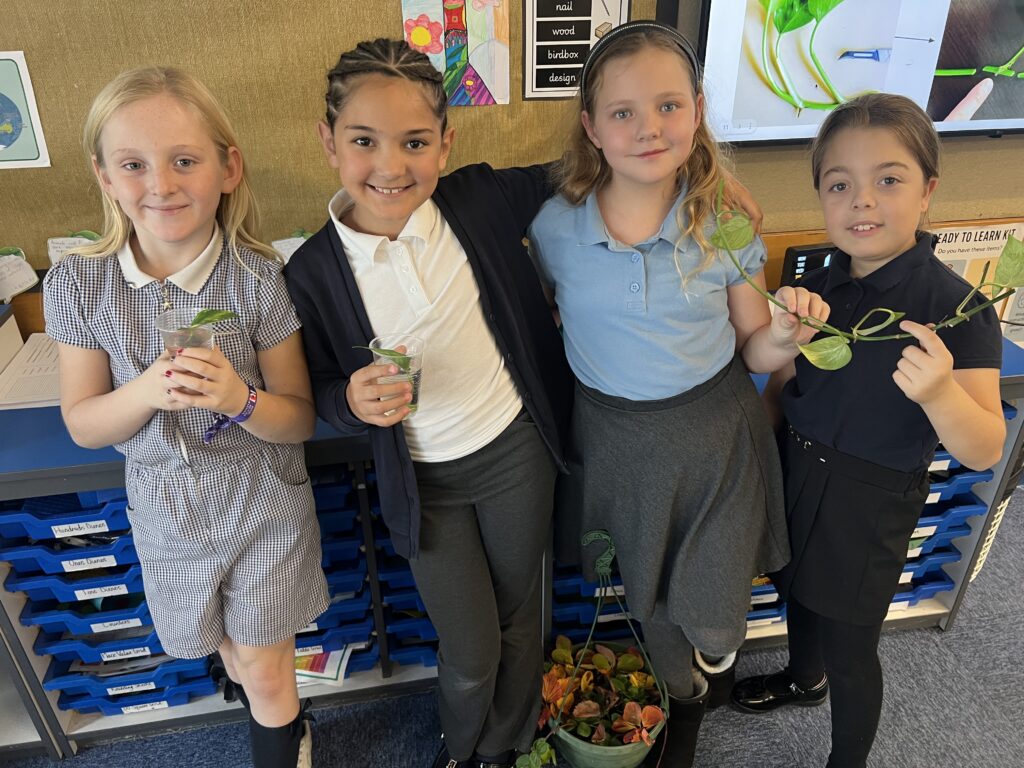
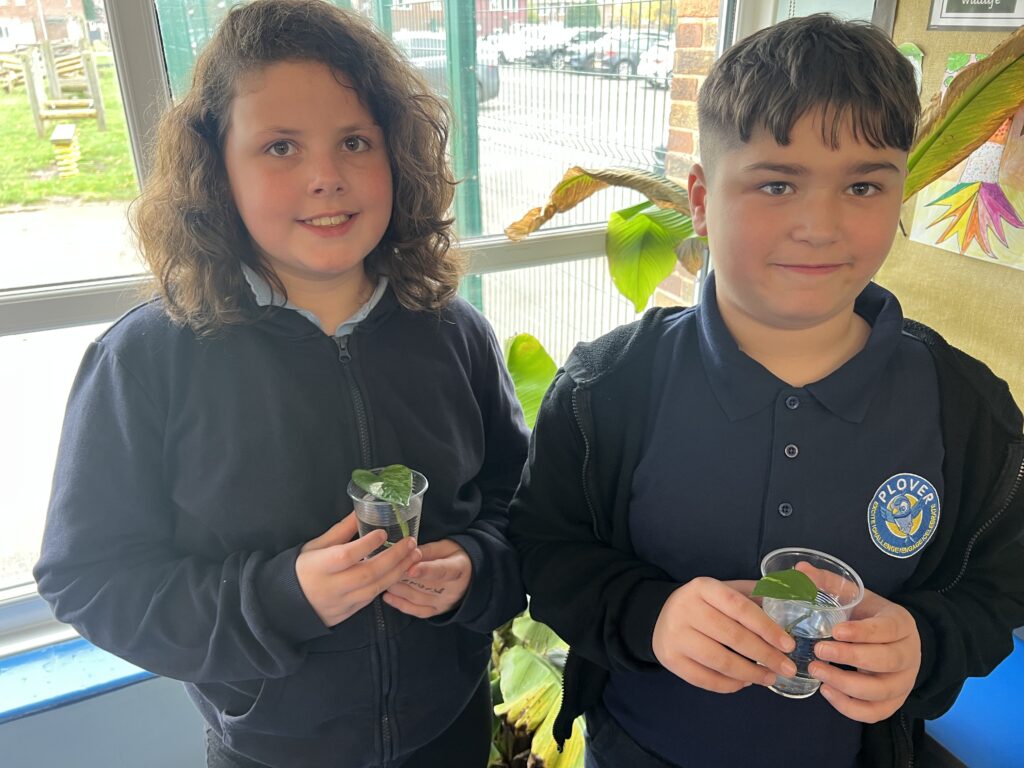
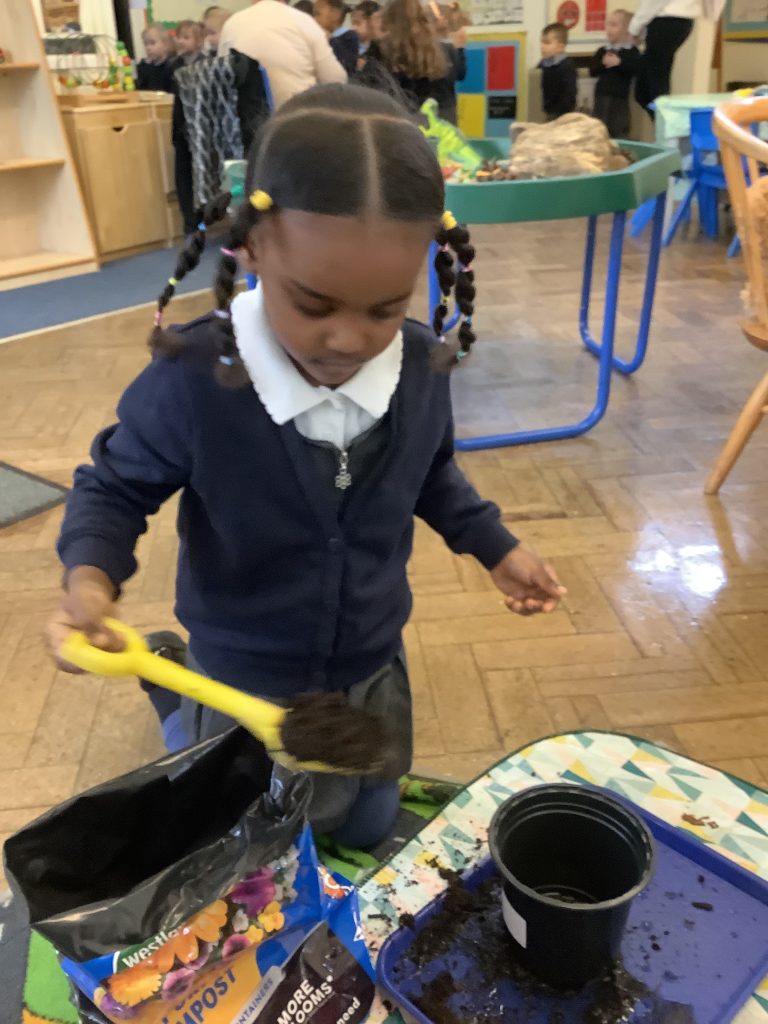
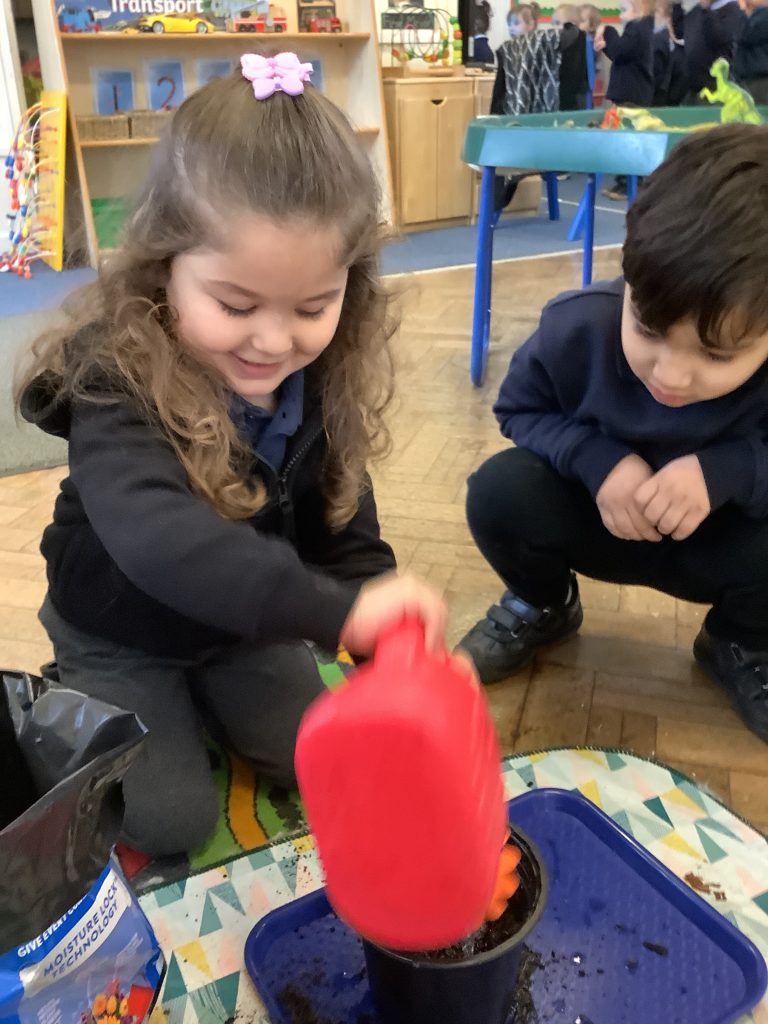
Potting up our cuttings

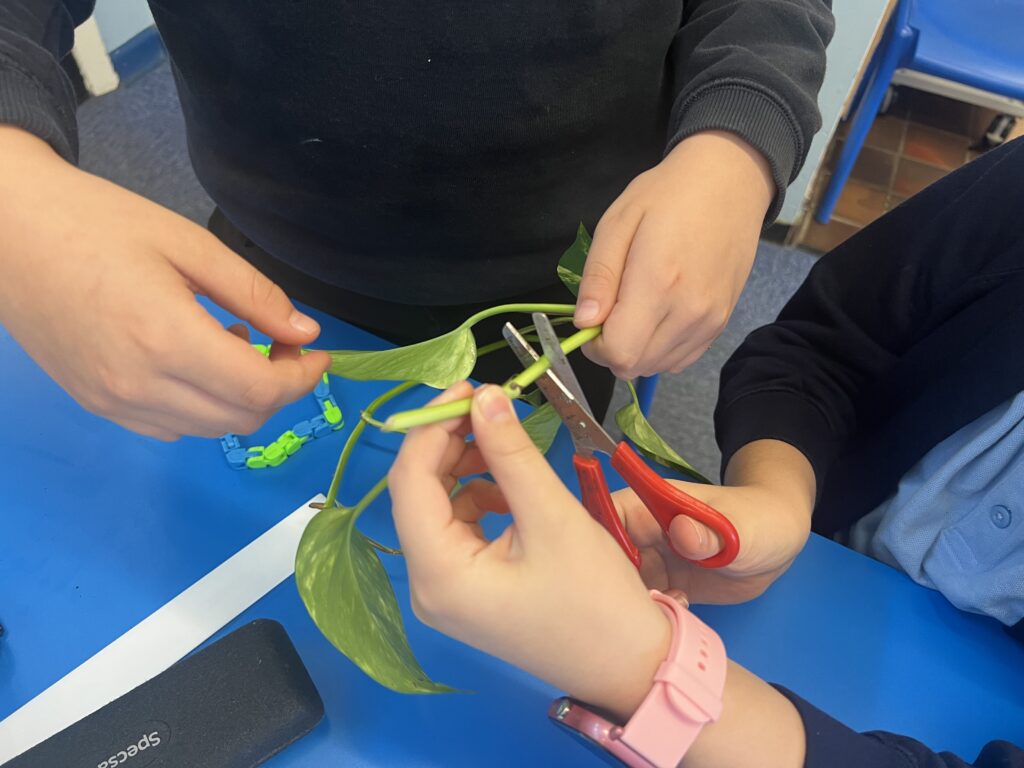
You may recall, a little while ago, Years 5 and 6 took cuttings from a houseplant while investigating asexual plant reproduction during our science case study.

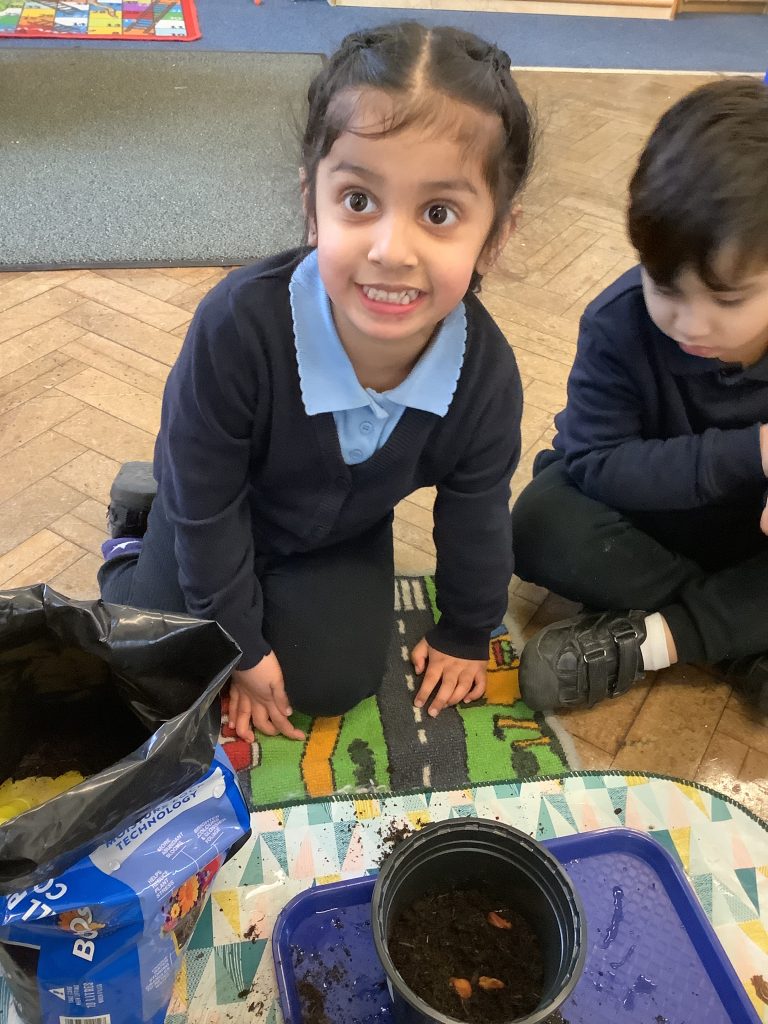
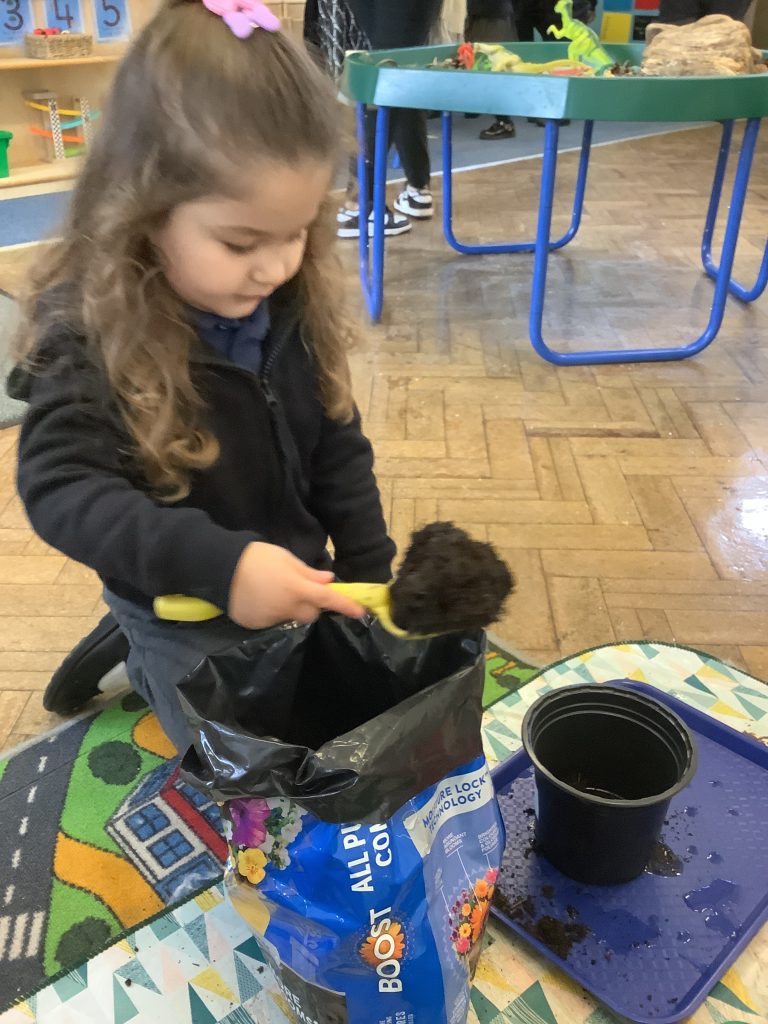
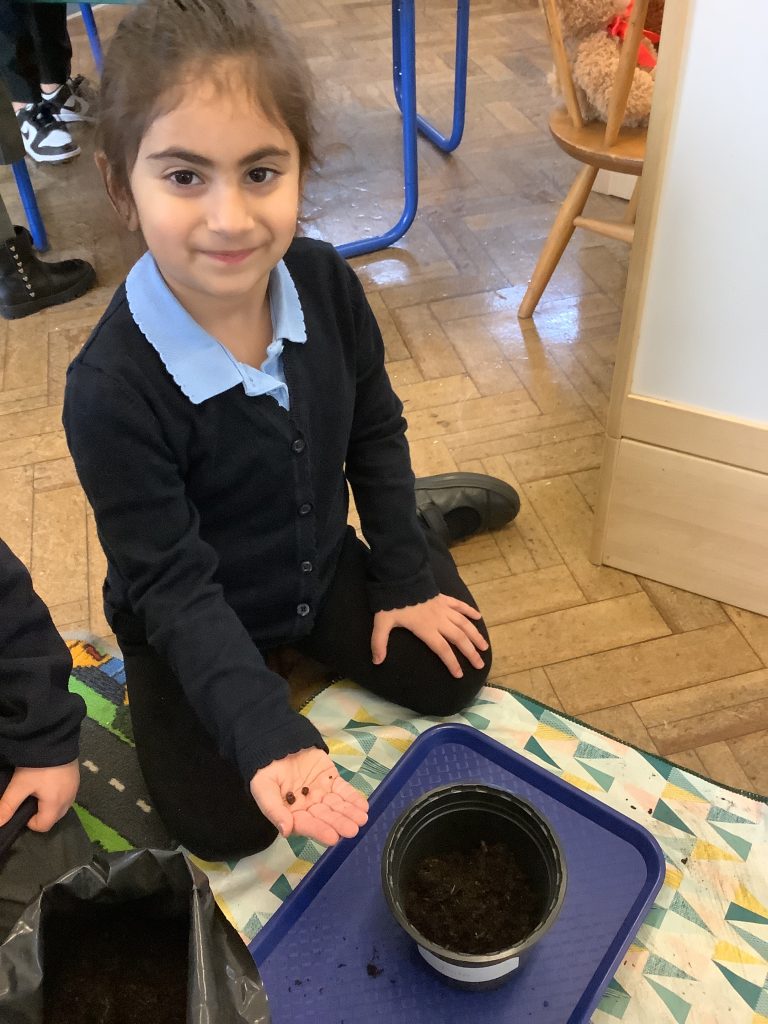
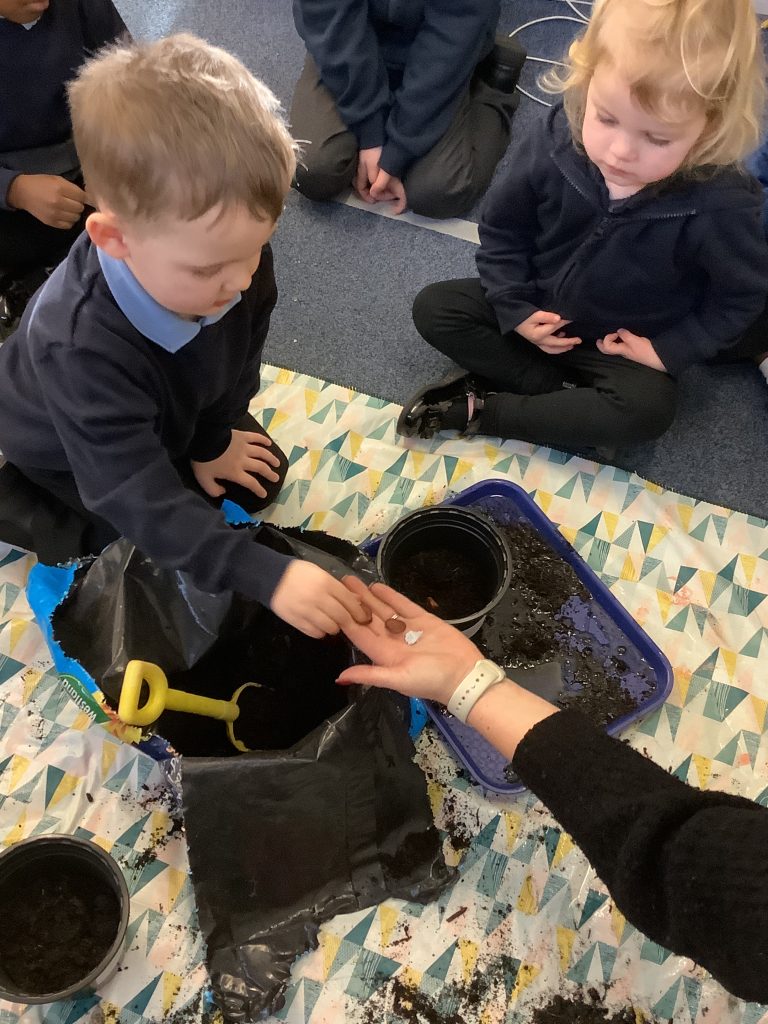
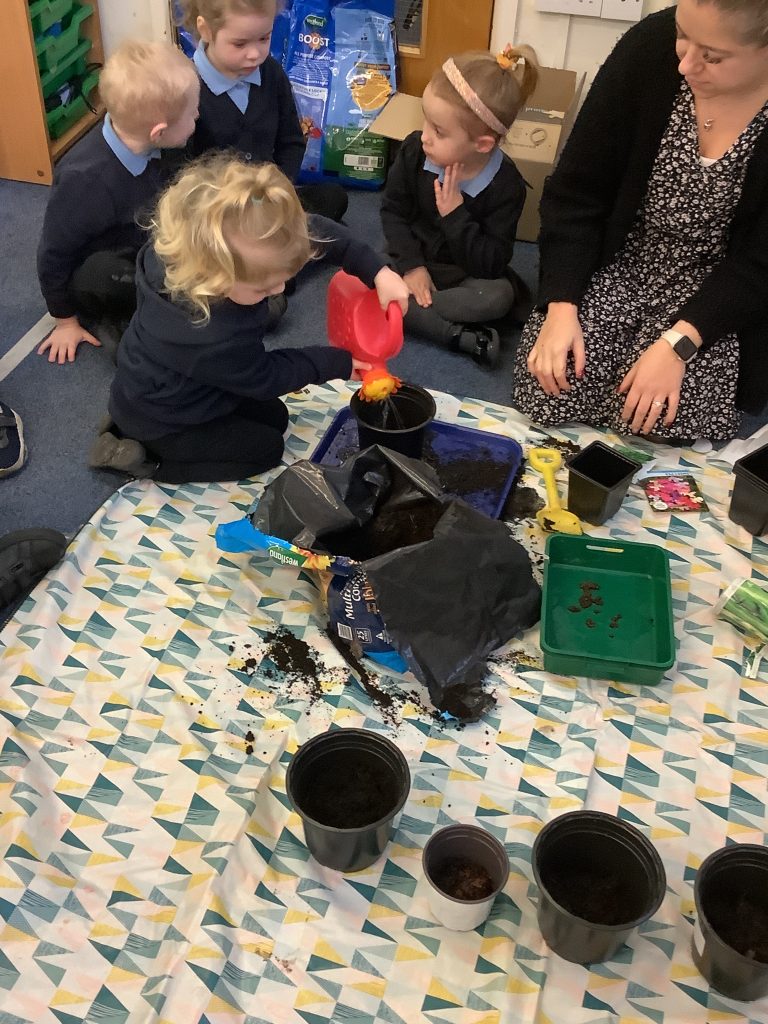
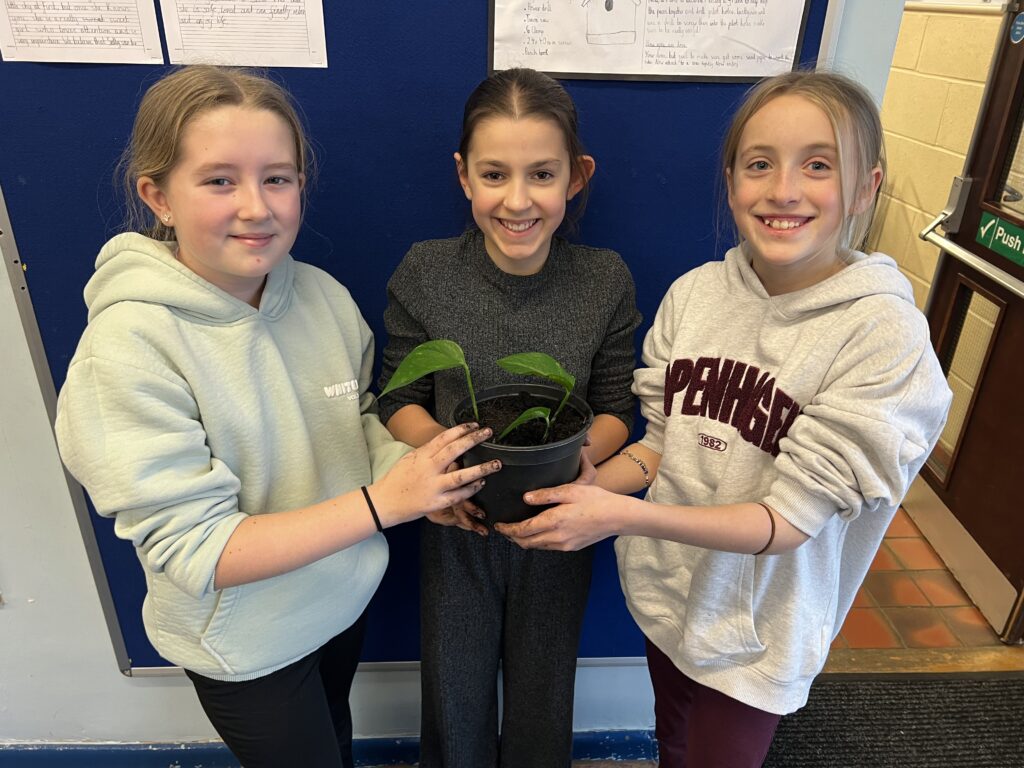
Now the cuttings had successfully rooted, it was time to pot them into their own compost so they can get enough nutrients to grow into beautiful plants to decorate our classrooms.

Thank you to the children who helped to do this. We will keep them well fed and watered and observe their growth as the year passes.

We are scientists!

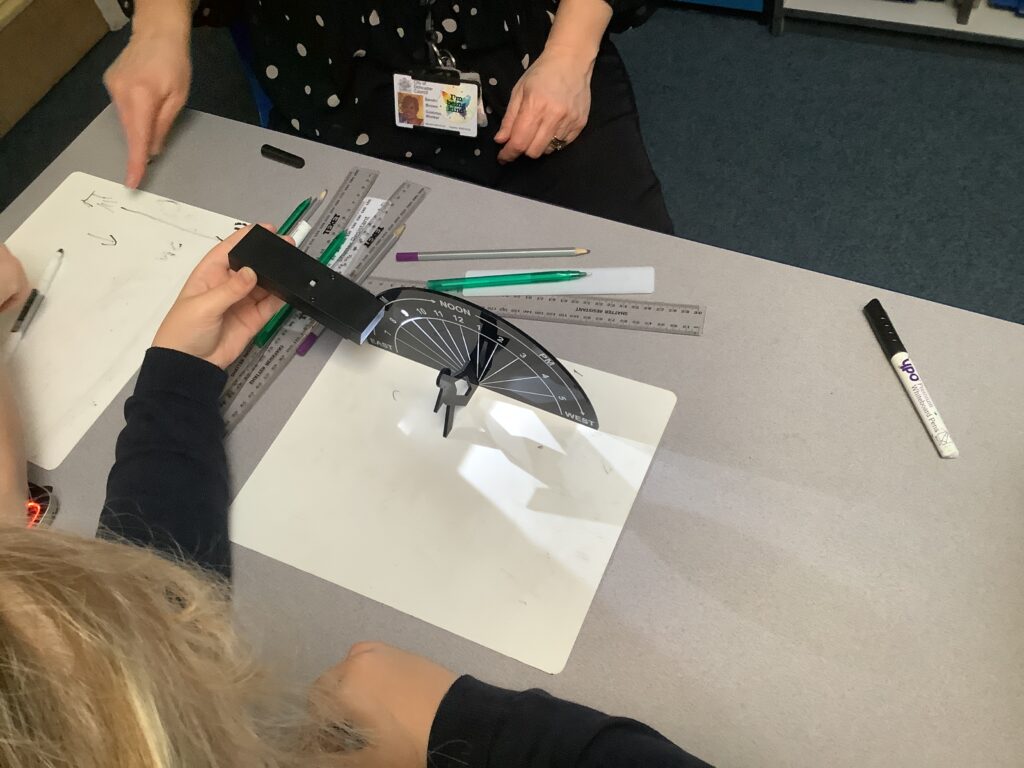
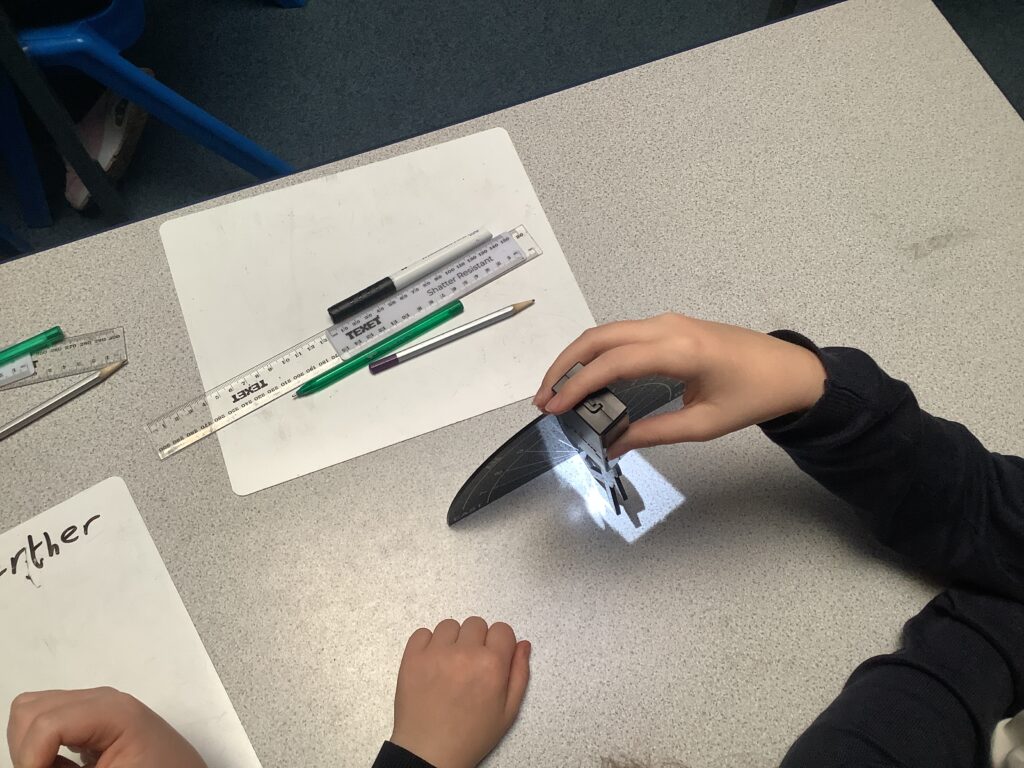
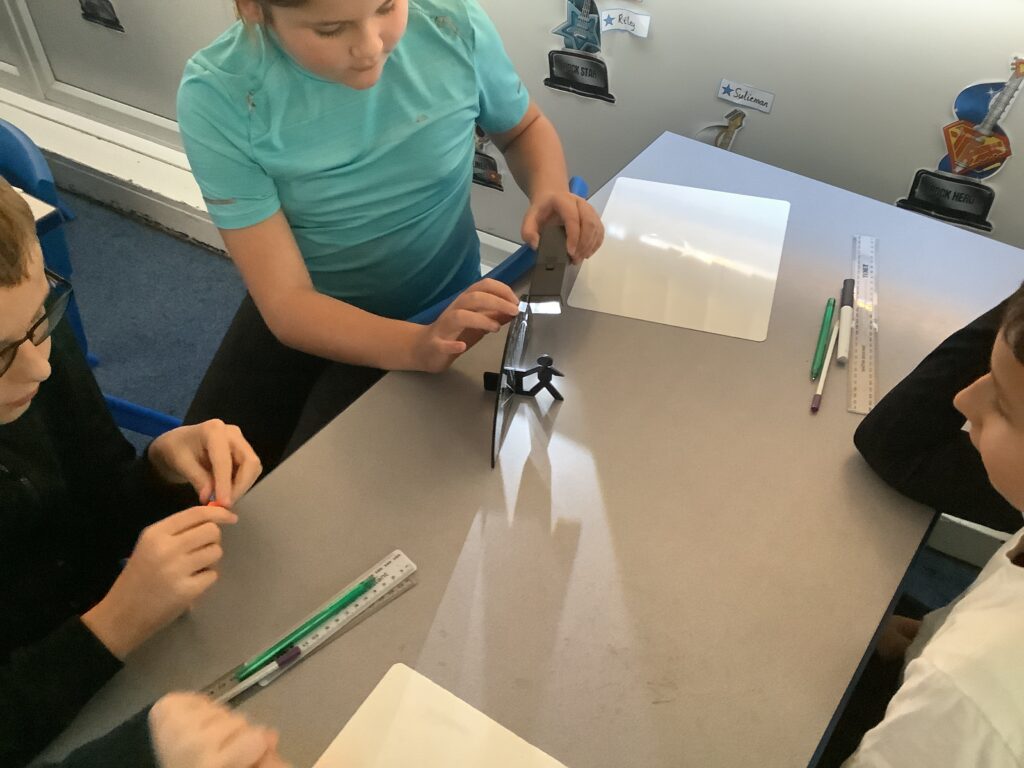
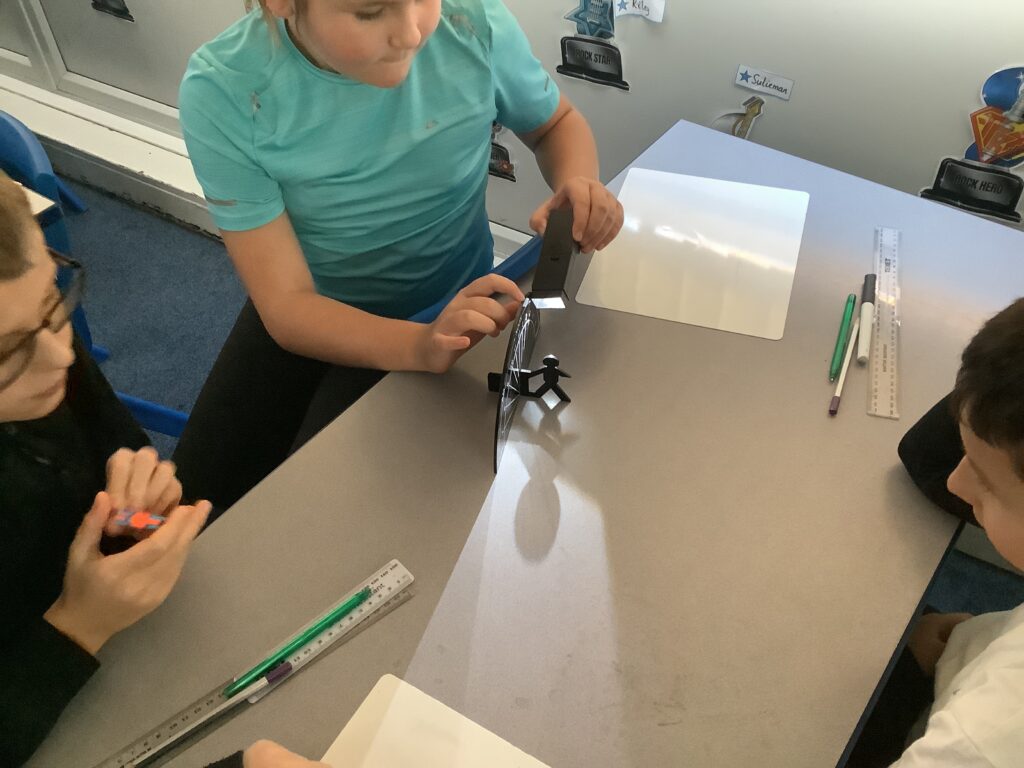
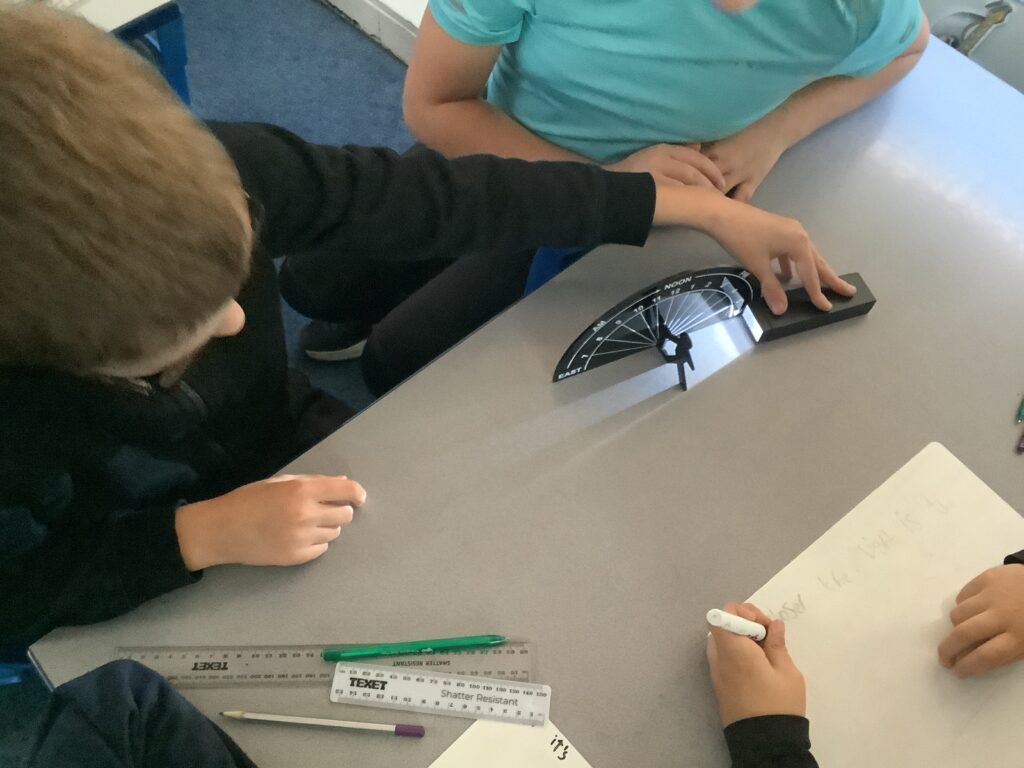
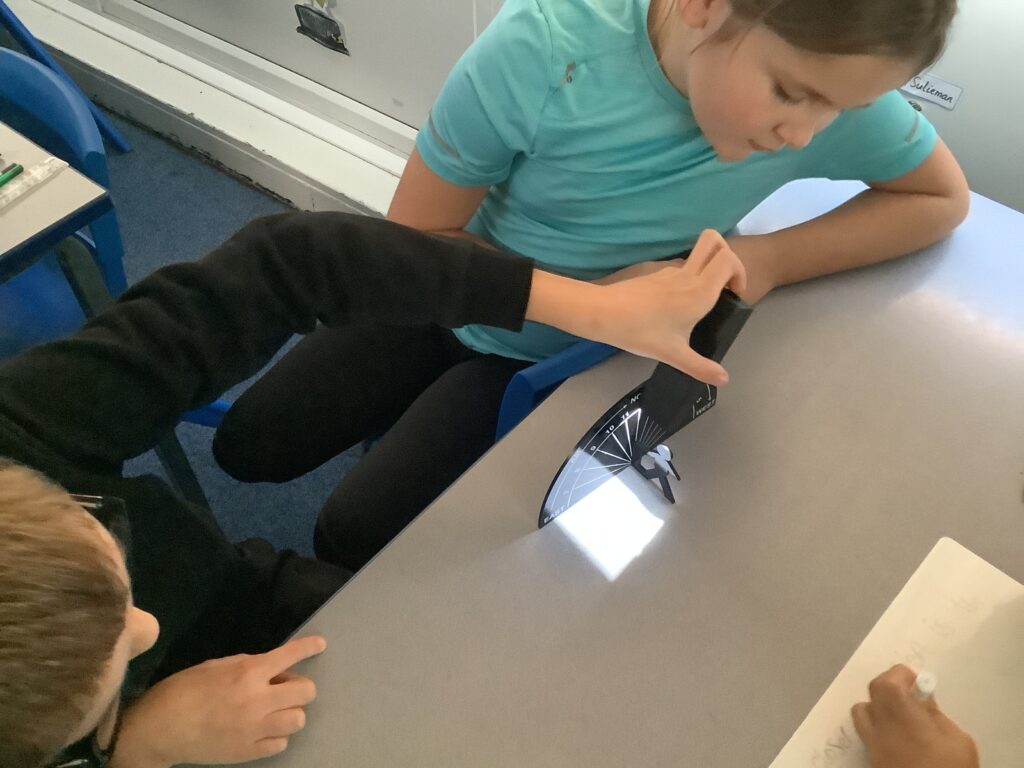
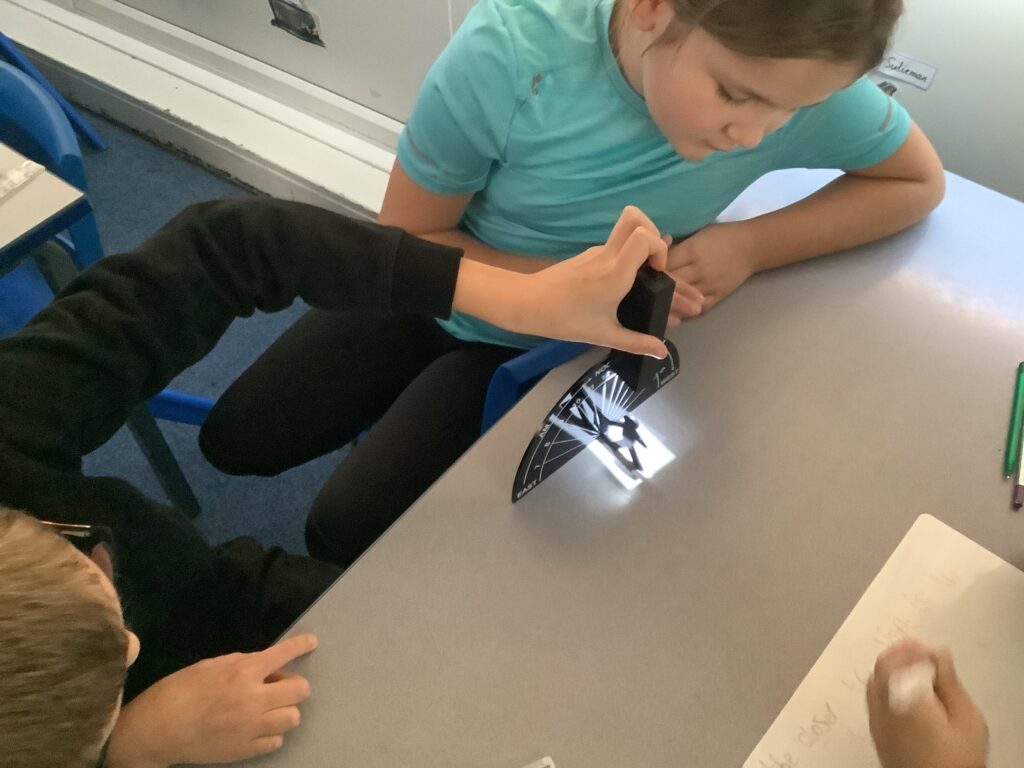
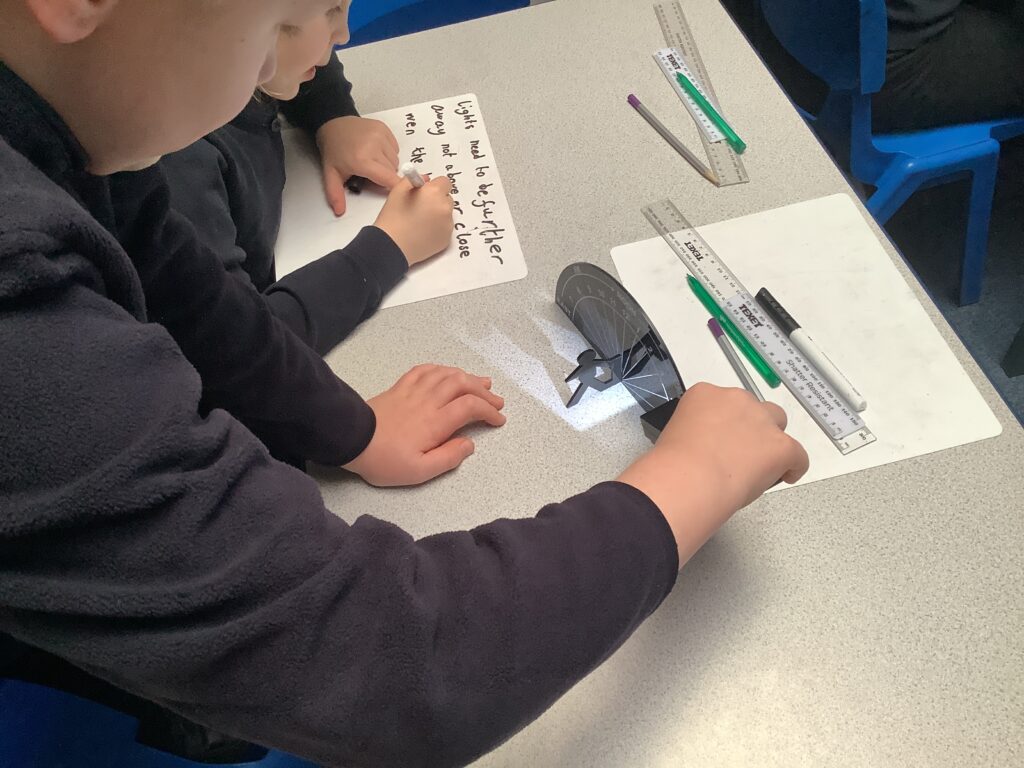
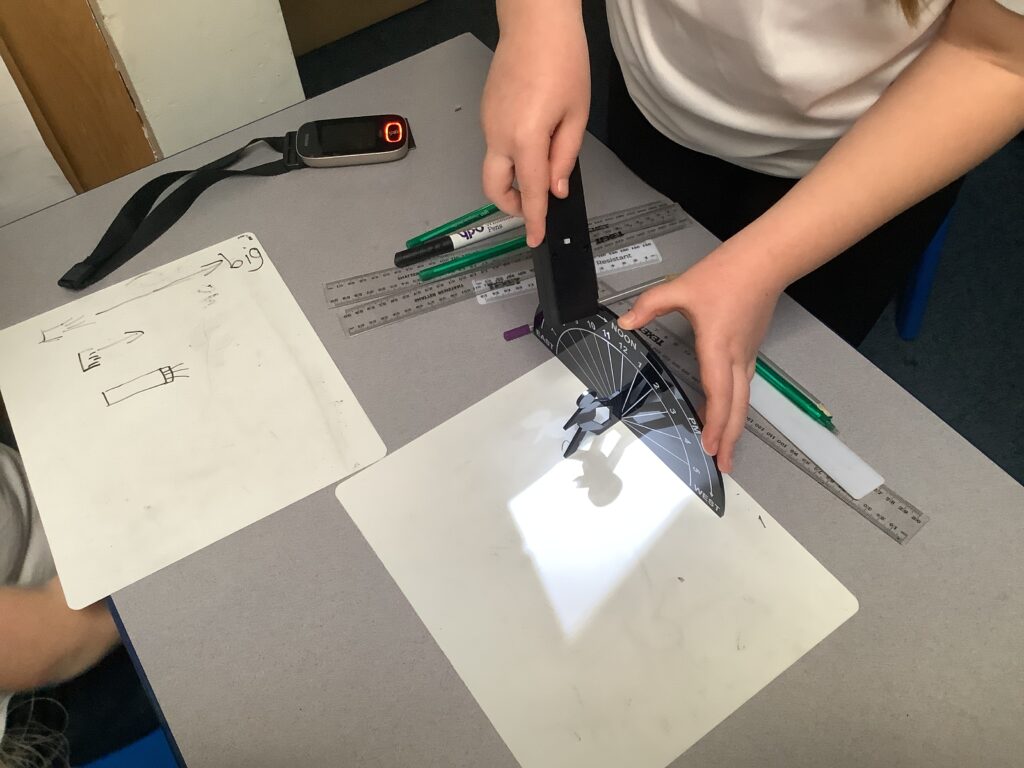
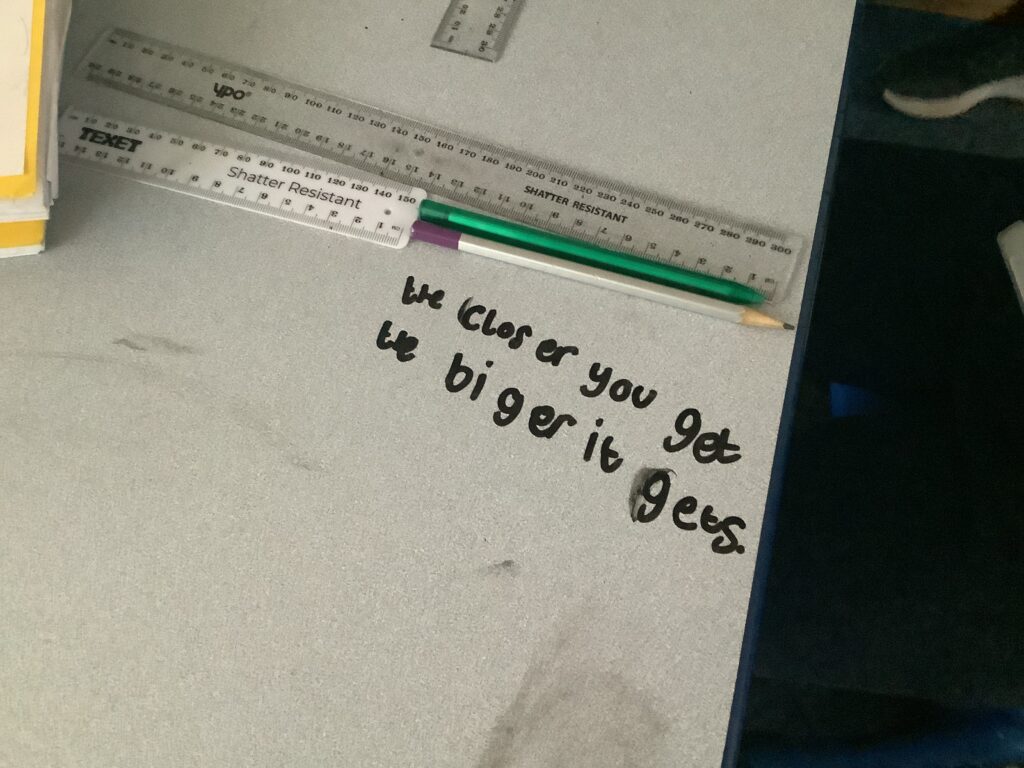
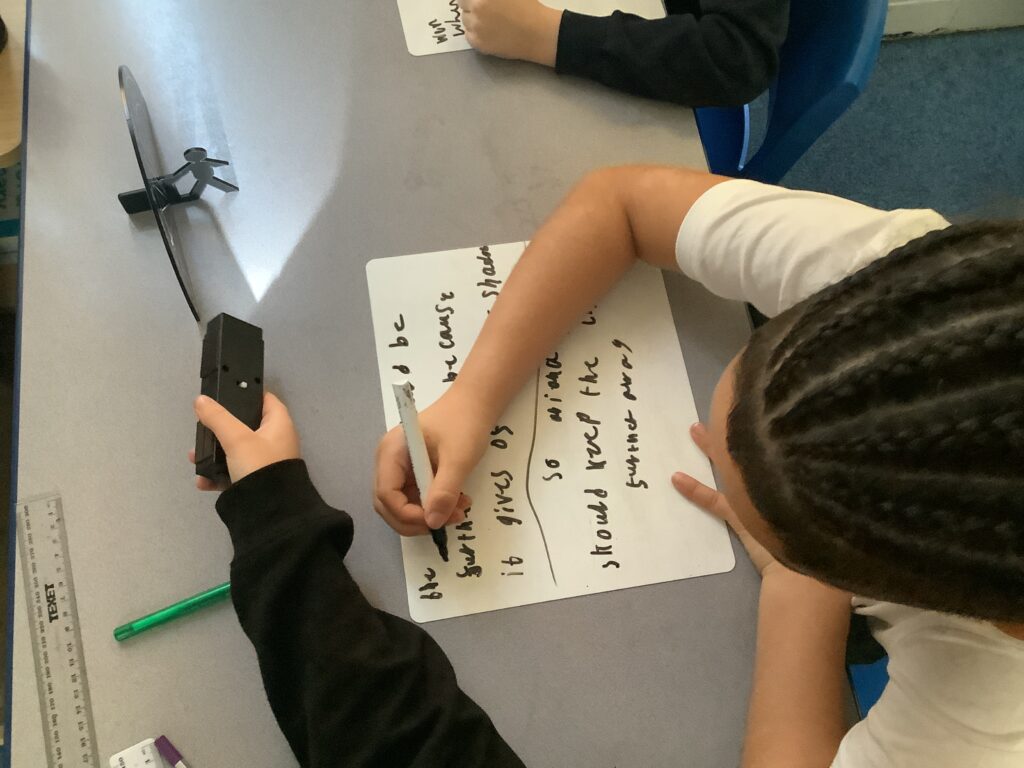
Exploring shadows has been so much fun this afternoon. We have used light ray torches and opaque objects to solve the following problem: I like to have a long shadow behind me when I am performing on stage. Where do I need to ask my technical lighting team to place my spot lights to make sure my shadow is just how it like it?

I’m not sure who was more excited about the arrival of our new equipment from the Ogden Trust team, the kids or me!

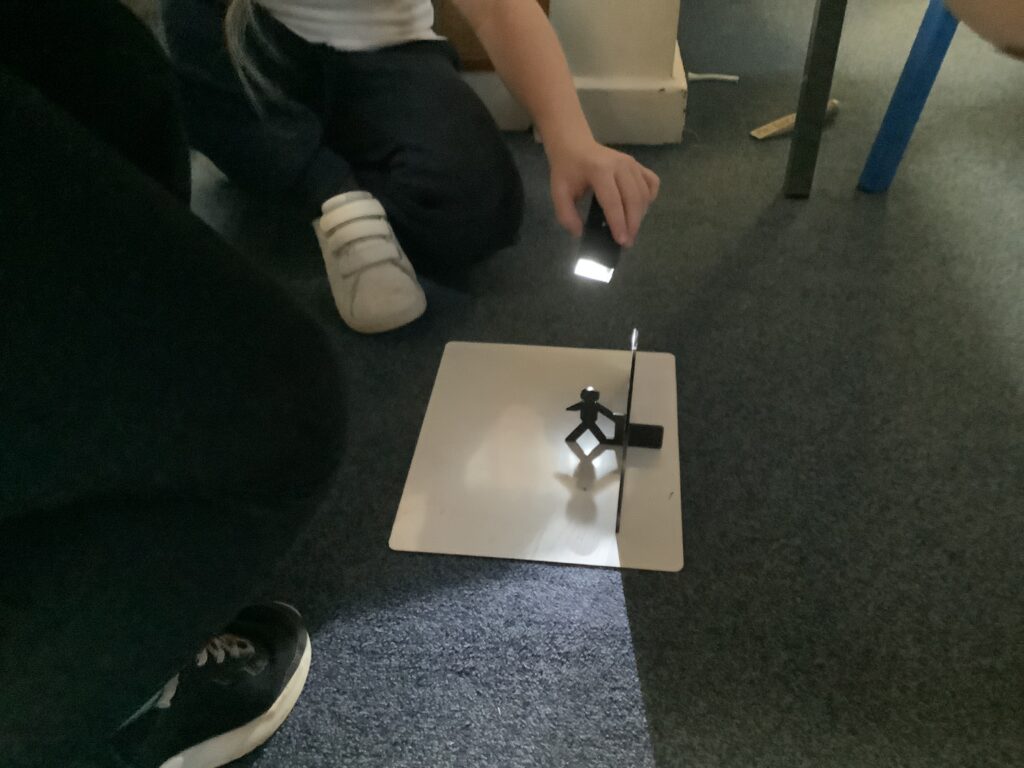
Special shout out to Joe, Zuzanna and Pheobe who realised that it was darker under the tables. They decided to carry out their investigation on the floor and under a table. This meant that they had blocked as much natural light from outside as they possibly could, meaning their torch light and shadows created were more easily seen.

Mrs Haycock

#LovePlover
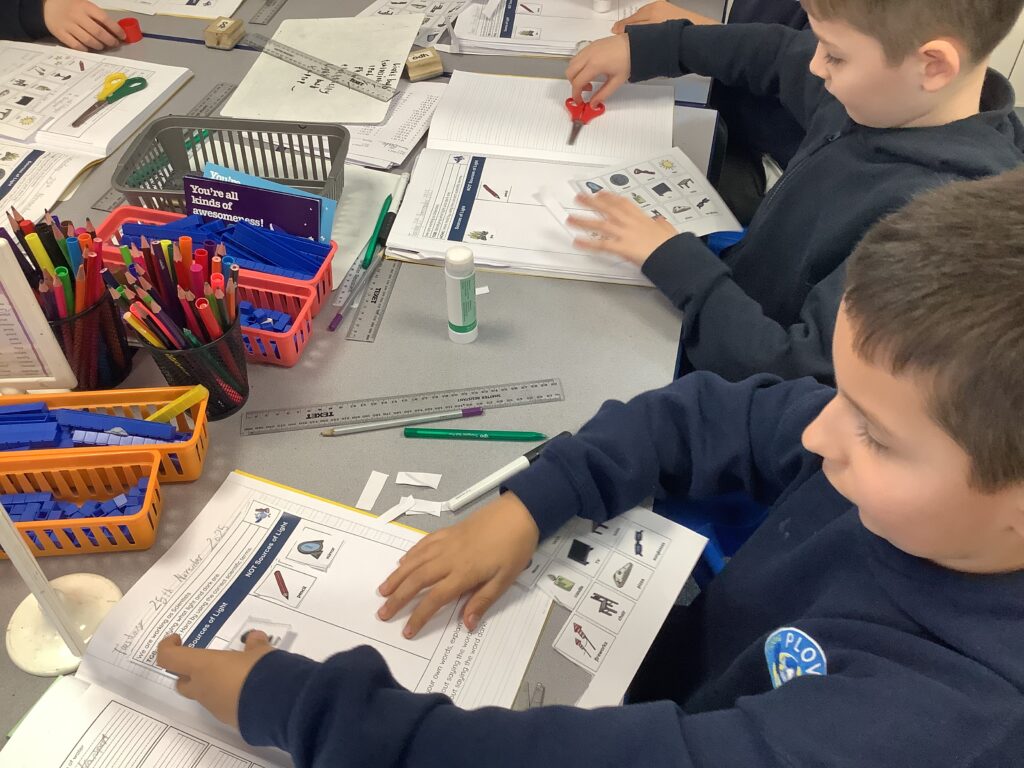
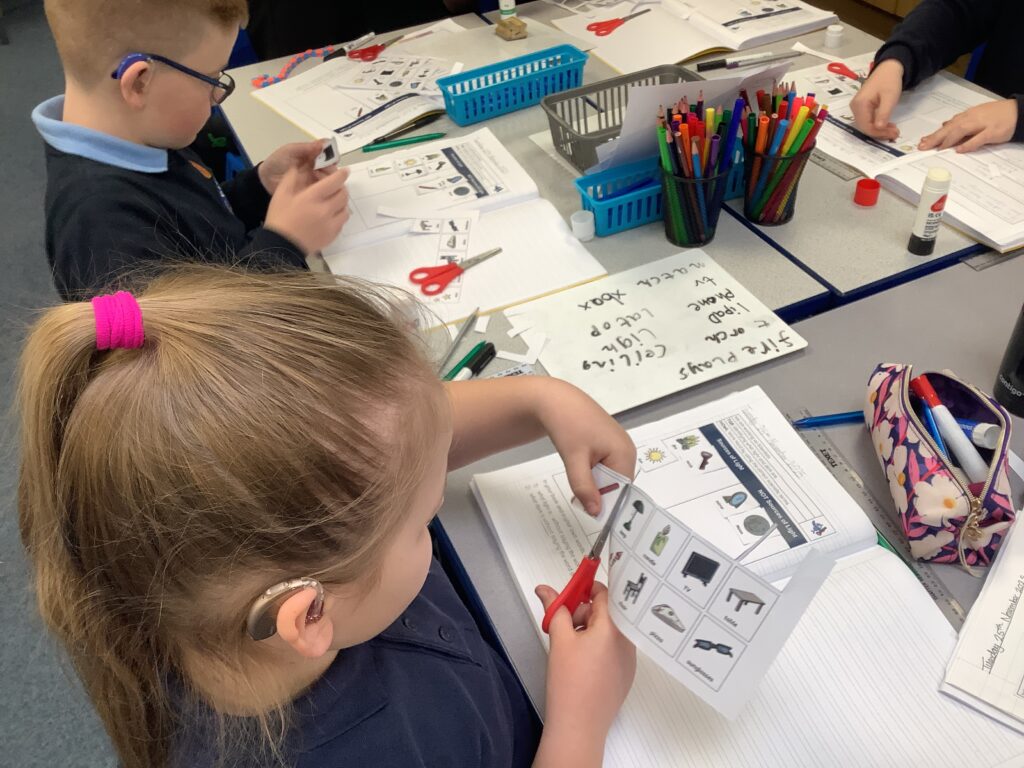
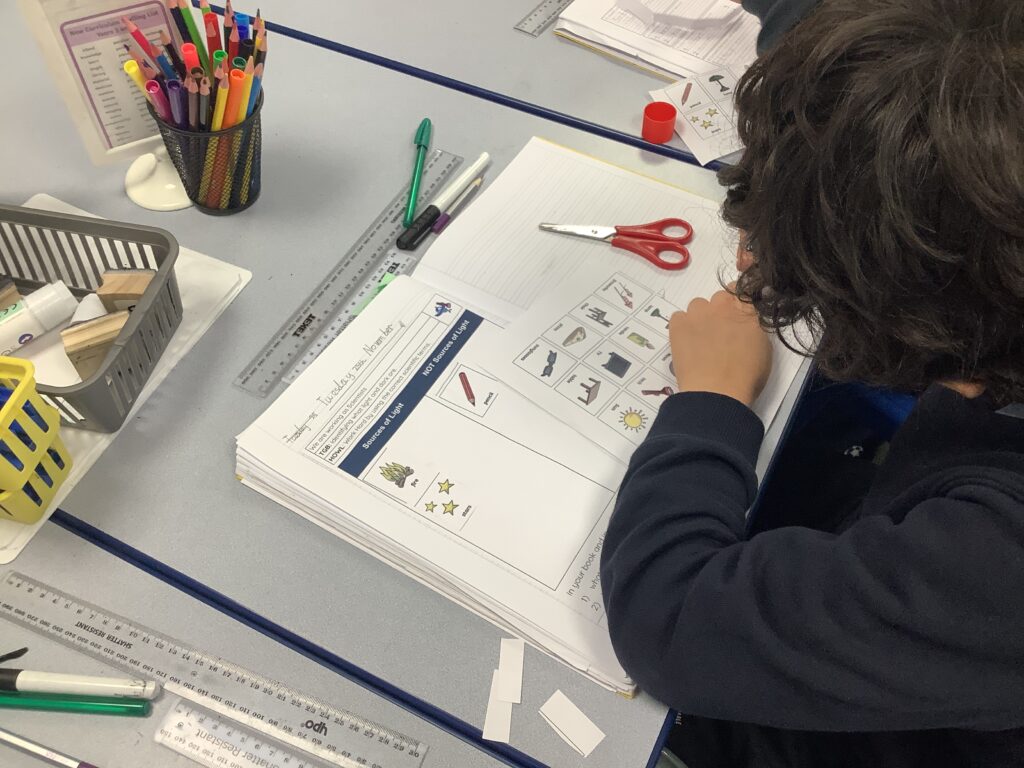
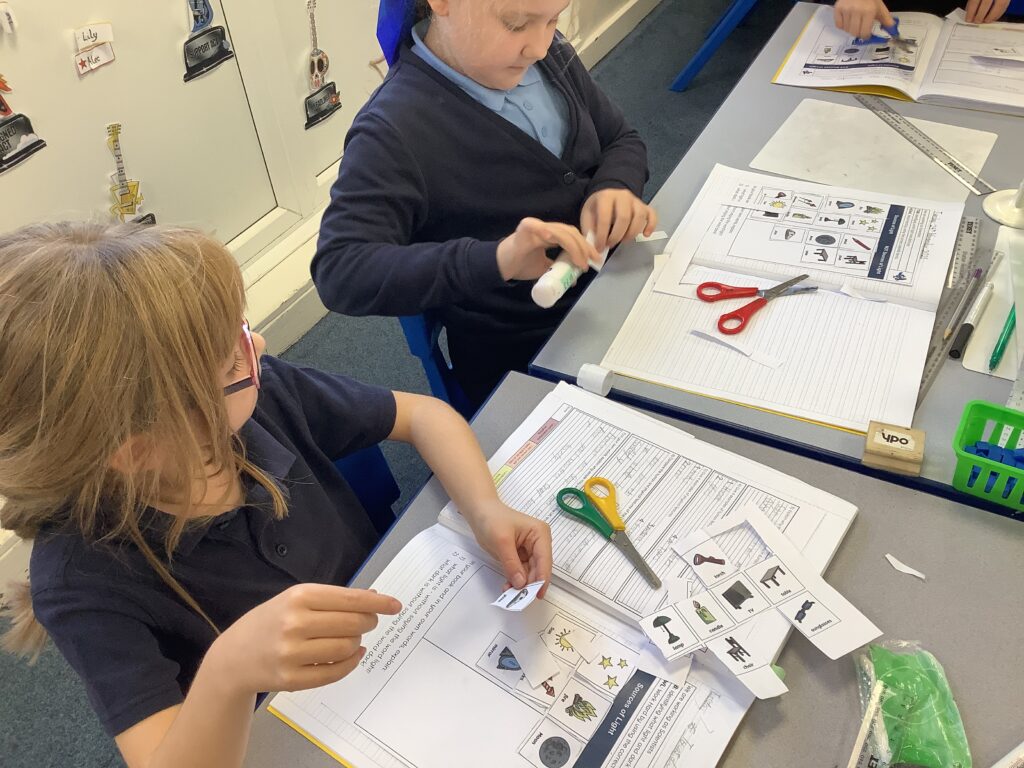
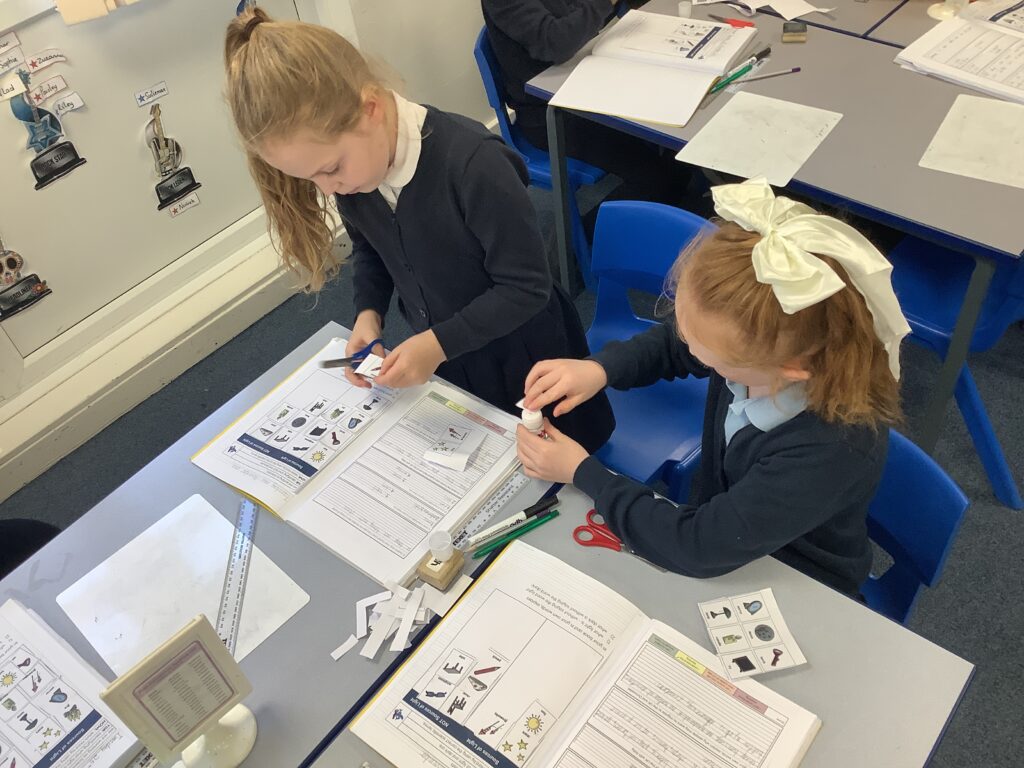
We can sort sources of light from non-sources of light.

Well done 4H! Most of us can sort sources of light from non-sources of light! I loved watching you sort these cards and listening to your conversations about why you were placing items in the columns you placed them in. We just need to remember that the Moon is NOT a source of light. It simply reflects the sun’s light down to us on planet Earth which is why we can see it in different shapes at different times of the month. If it was its own light source, it would look the same all of the time!

Mrs Haycock

#LovePlover
Plant Propagation in Year 5

Today, children in year 5 learned about asexual plant reproduction – how new, genetically identical clones of plants, can be made. We learned about how potatoes, garlic and strawberries can all produce new plants through their tubers, bulbs and runners. Finally, we took cuttings of Pothos – a jungle plant – and placed them in water. We hope to see them develop roots and have some lovely plants for the classrooms once they’re ready!

Labelling the parts of a flower

Year 5 investigated their knowledge of plant reproduction today by dissecting the parts of a flower. Working in teams, they carefully took apart lilies and labelled each of their reproductive parts on the page. Well done for working hard with great accuracy!

VR Workshop

Today, year 5 and 6 had an amazing experience courtesy of Prime VR who visited our school to deliver a virtual reality workshop, emerging our children in the different layers of the rainforest. It was an amazing opportunity for the pupils to feel as if they were really part of our amazing rainforests across the Earth, learning about the ecological impact of deforestation and it’s impact on biodiversity.

We had some wonderful feedback from the session leader about the engagement and amazing knowledge of our students, even though the learning was all new.

Primary Engineer!

A few weeks ago, children in Year 5 engaged with Primary Engineer and Siemens to work on a project to build a working locomotive, using new tools and skills to develop and create a ‘train’ locomotive that progressed their knowledge of Design, Technology and Science.

The children can all be very proud to say they worked in small teams to build working locomotives that were able to travel in straight lines (as on a track) and carry a small load. Myself and the other teachers were extremely impressed with how brilliantly everyone engaged with the work and took care to ensure their products fitted the brief.

Then – today – three children were selected to attend the celebration event where they were interviewed about the development of the design, their involvement in improving the quality of the working parts, and tested its usefulness in carrying a load on a straight line – just like a real train! They were a credit to the school and presented us beautifully with their ‘Flying Scotsman’ inspired design, making links to our coal mining expedition and Doncaster.

Well done year 5!

We are making fossils…

Year 3 have set up an experiment to help them understand fossils and how they are formed. I wonder what they will discover when they finally uncover their buried specimens.
Mrs Haycock

#LovePlover