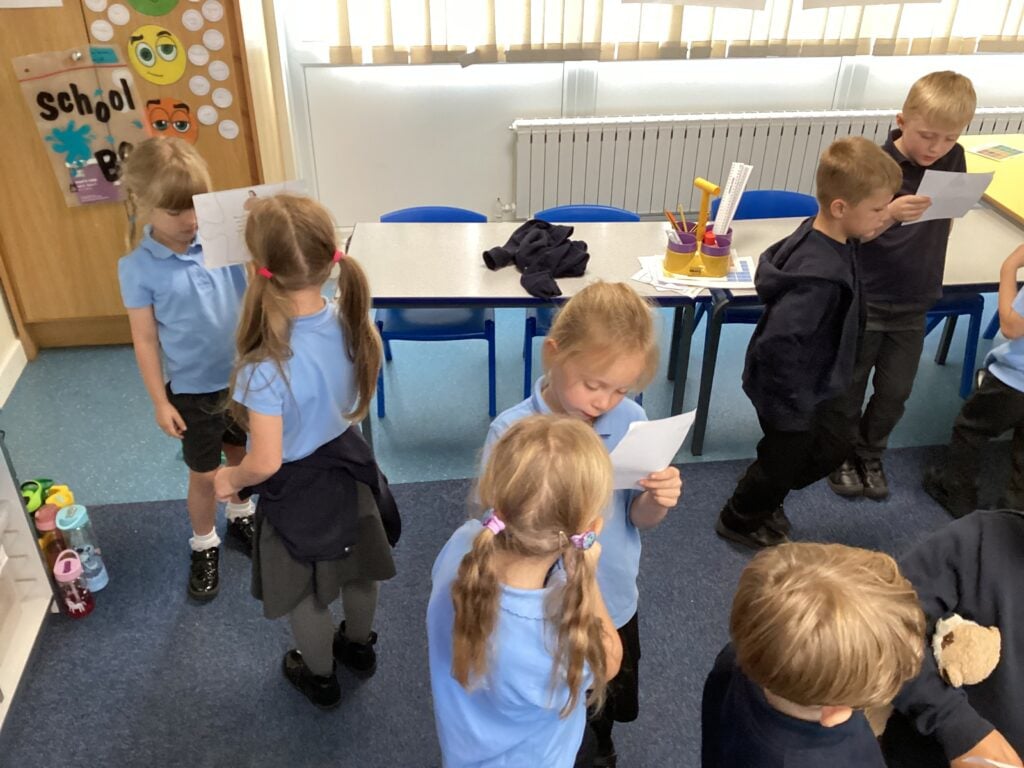
Year 5 Explore Tudor Crimes and Punishments

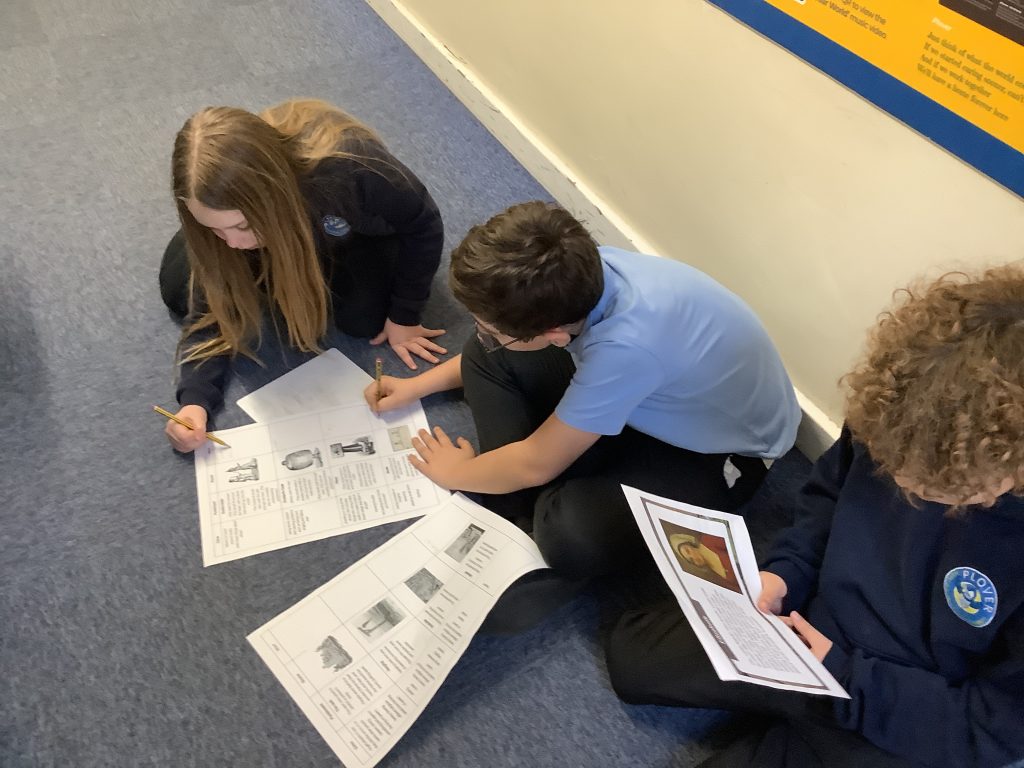
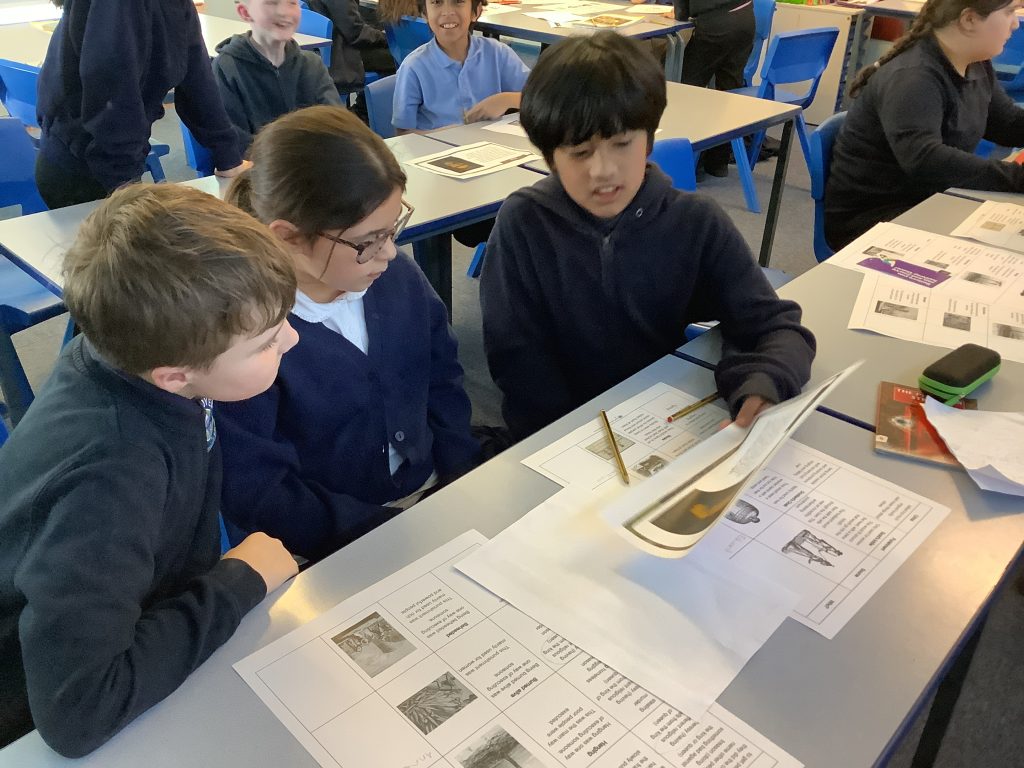
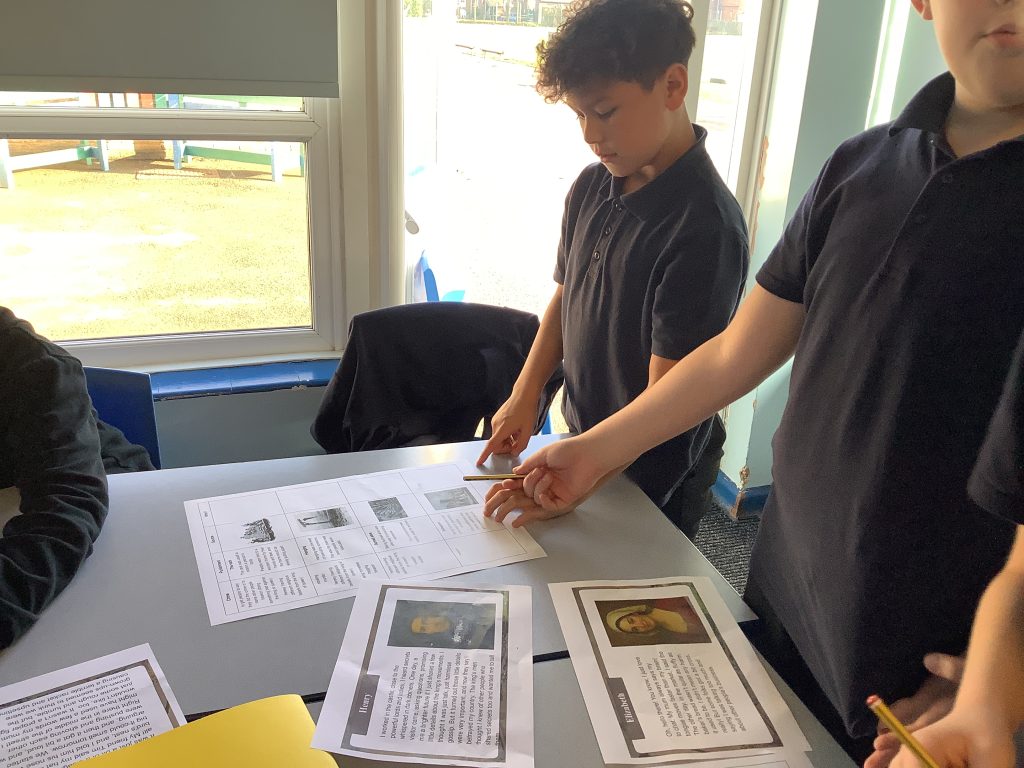
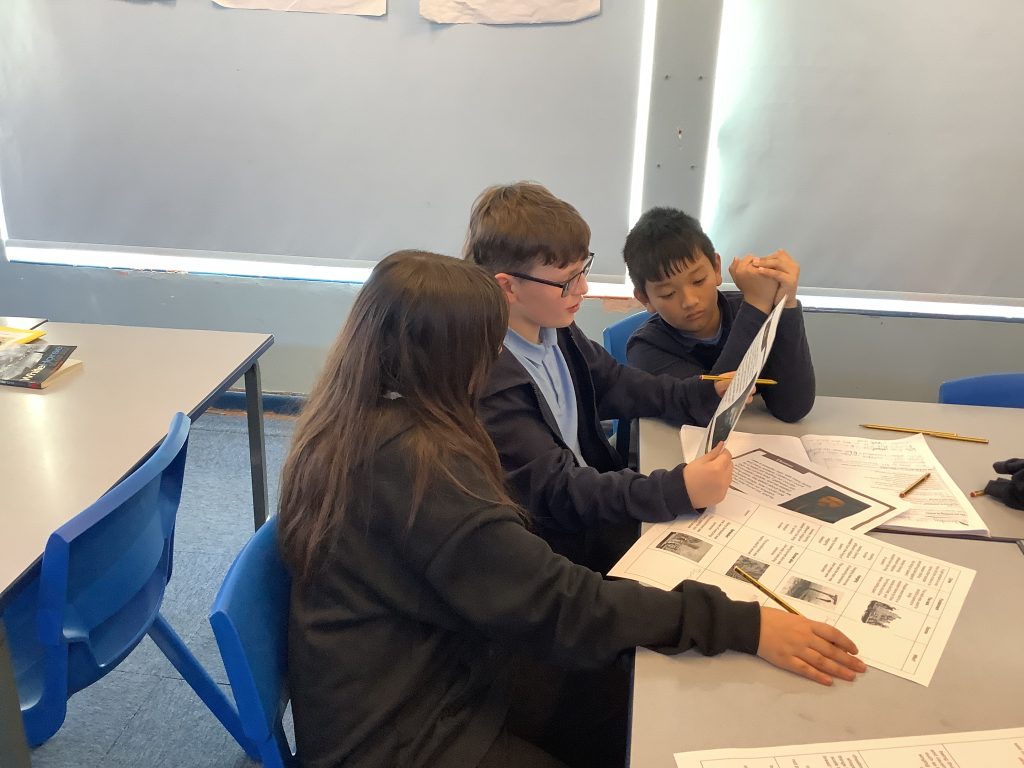
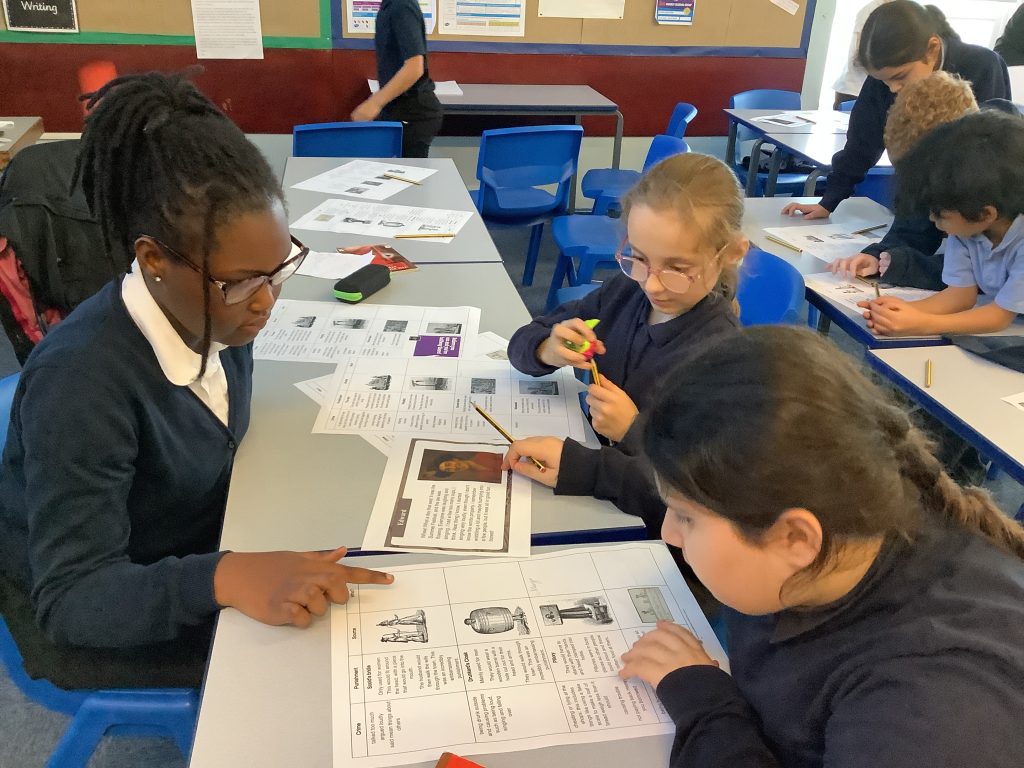
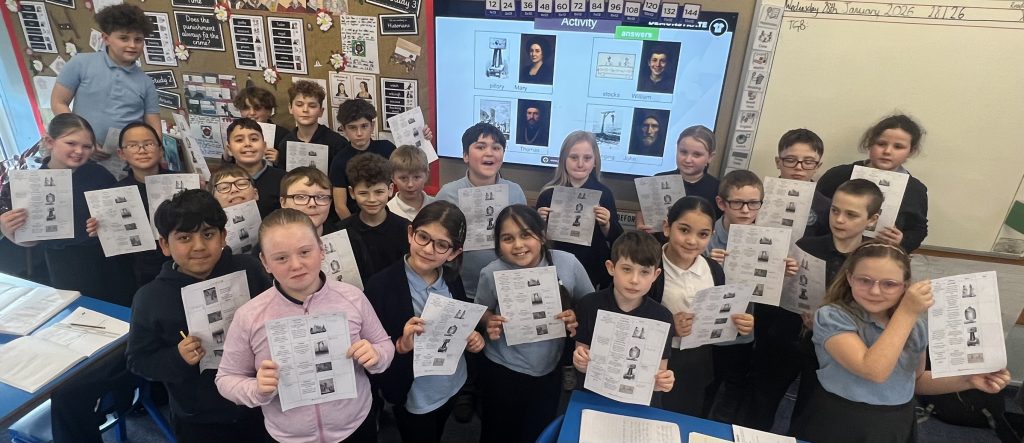
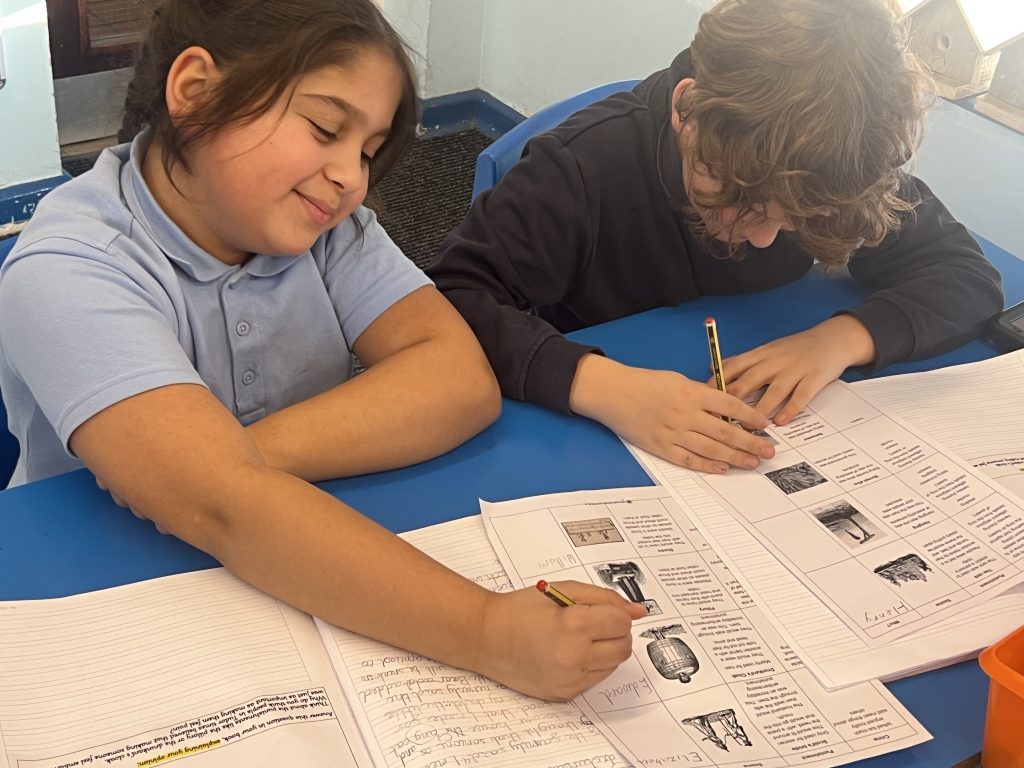
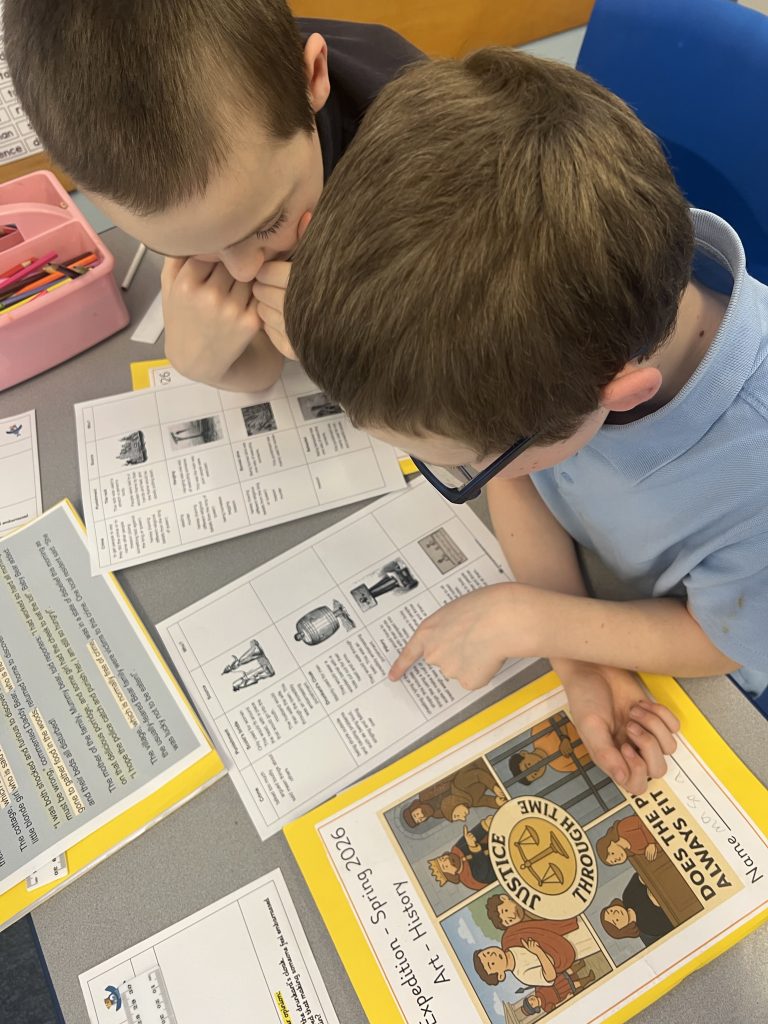
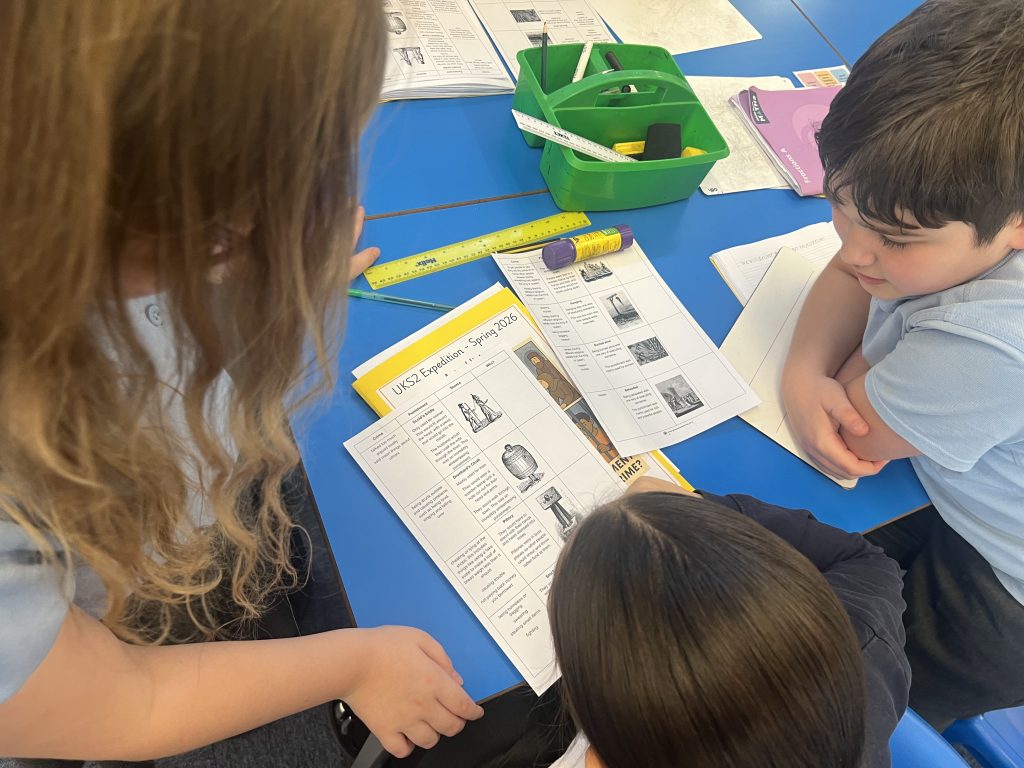
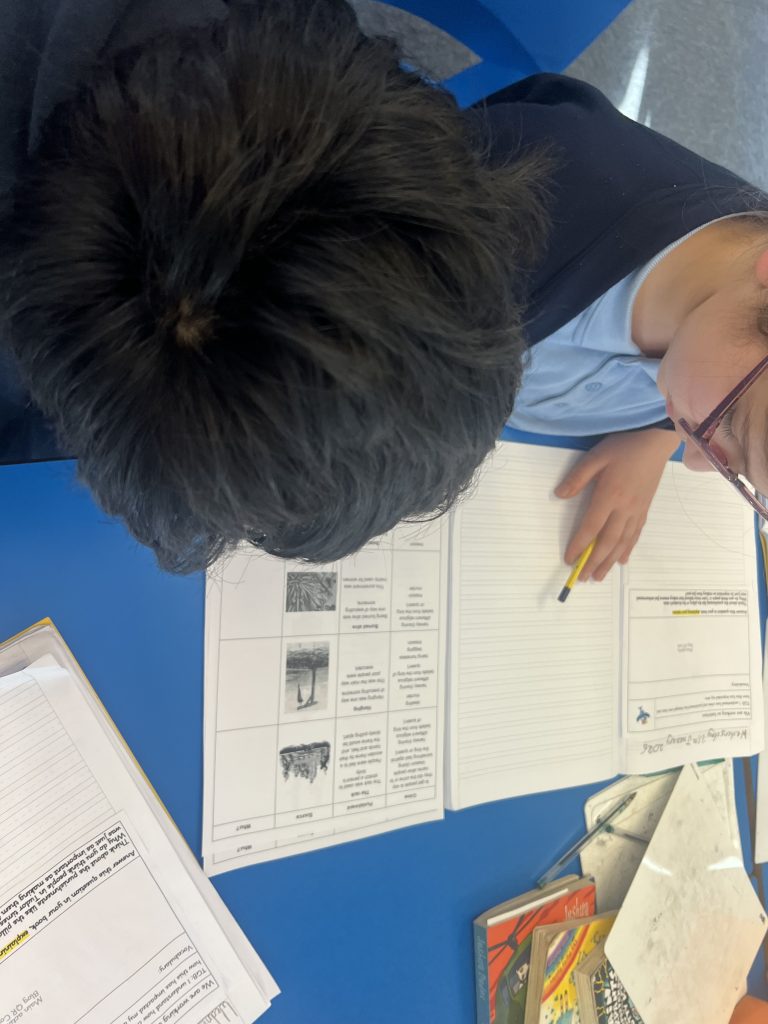
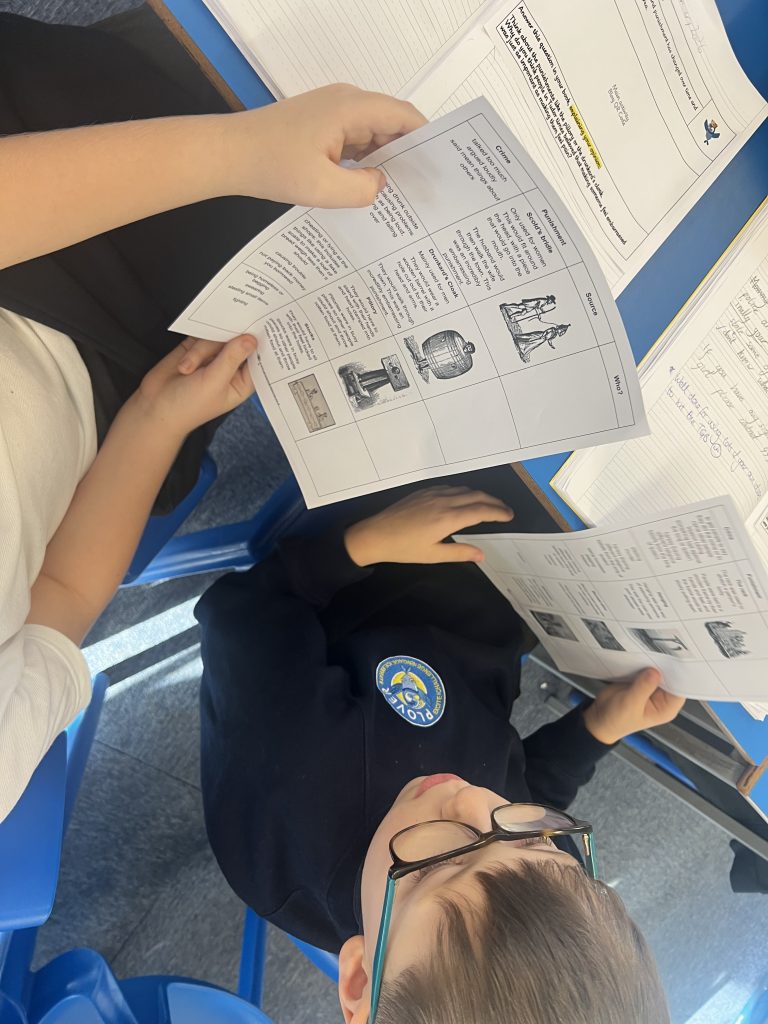
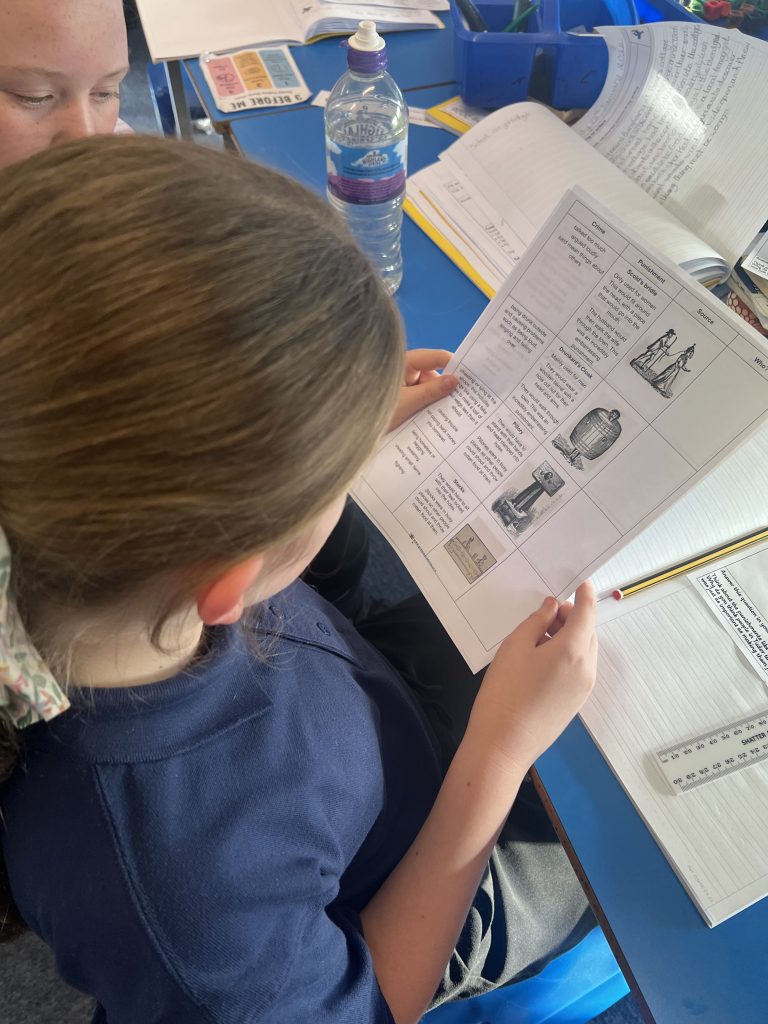
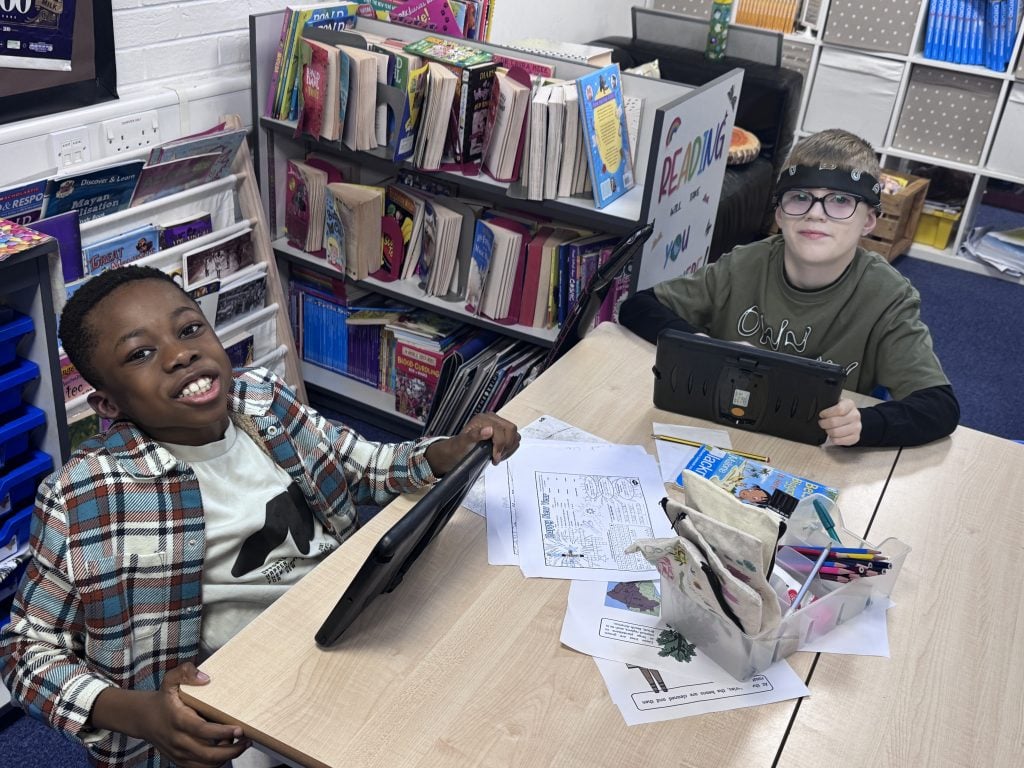
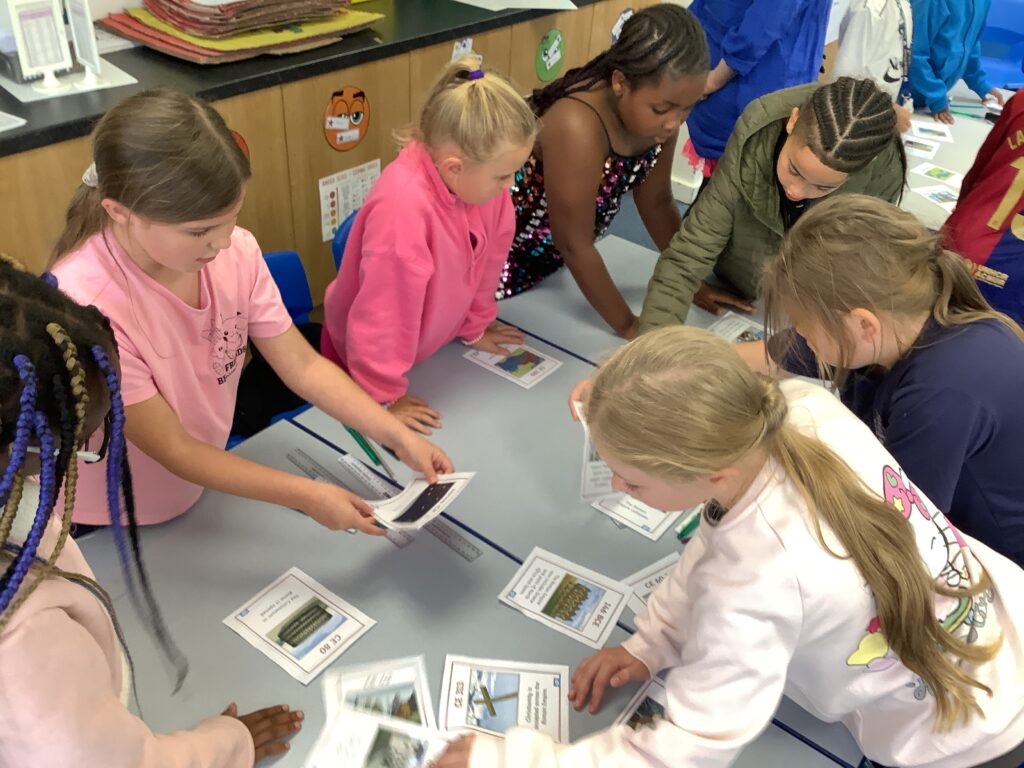
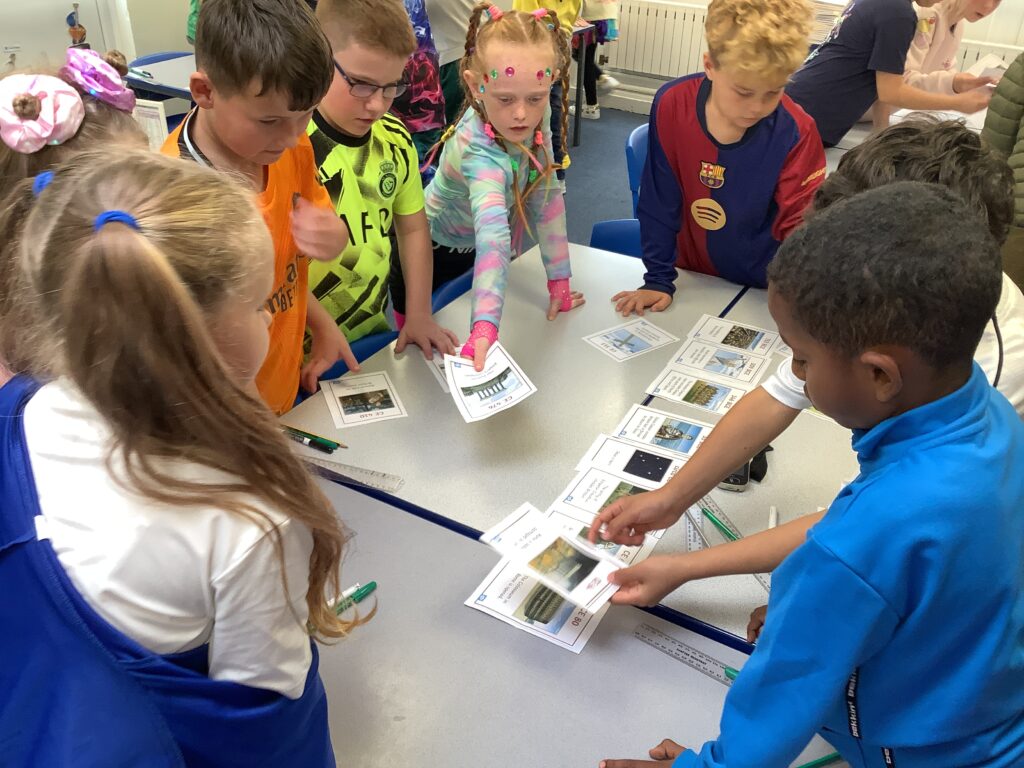
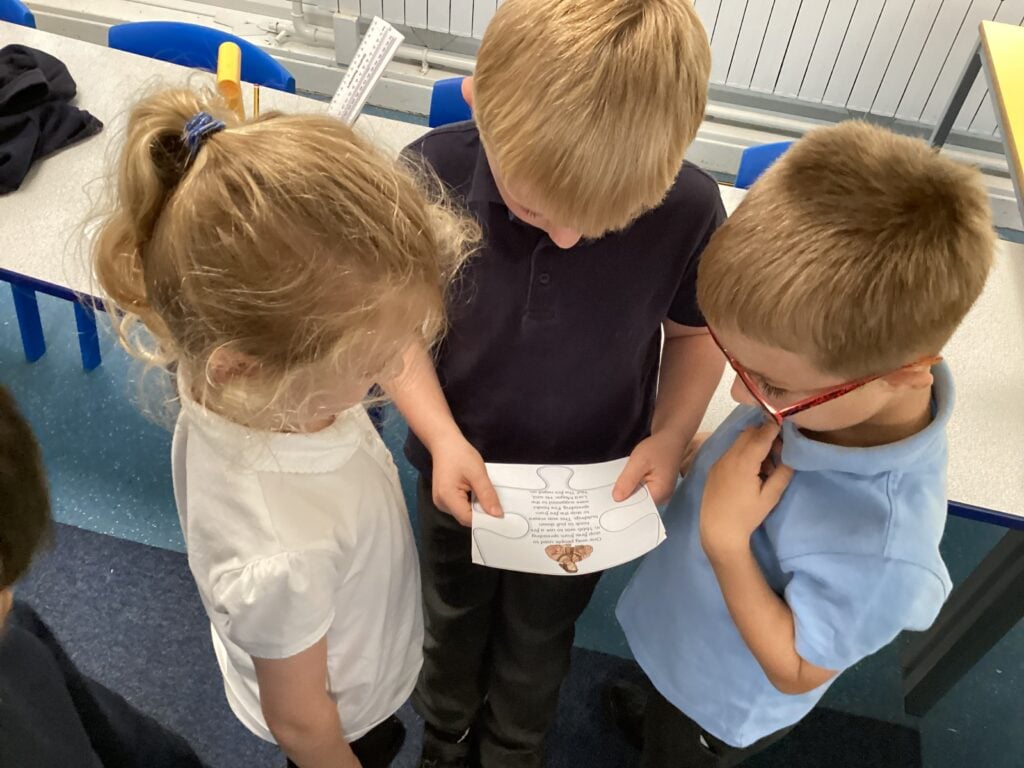
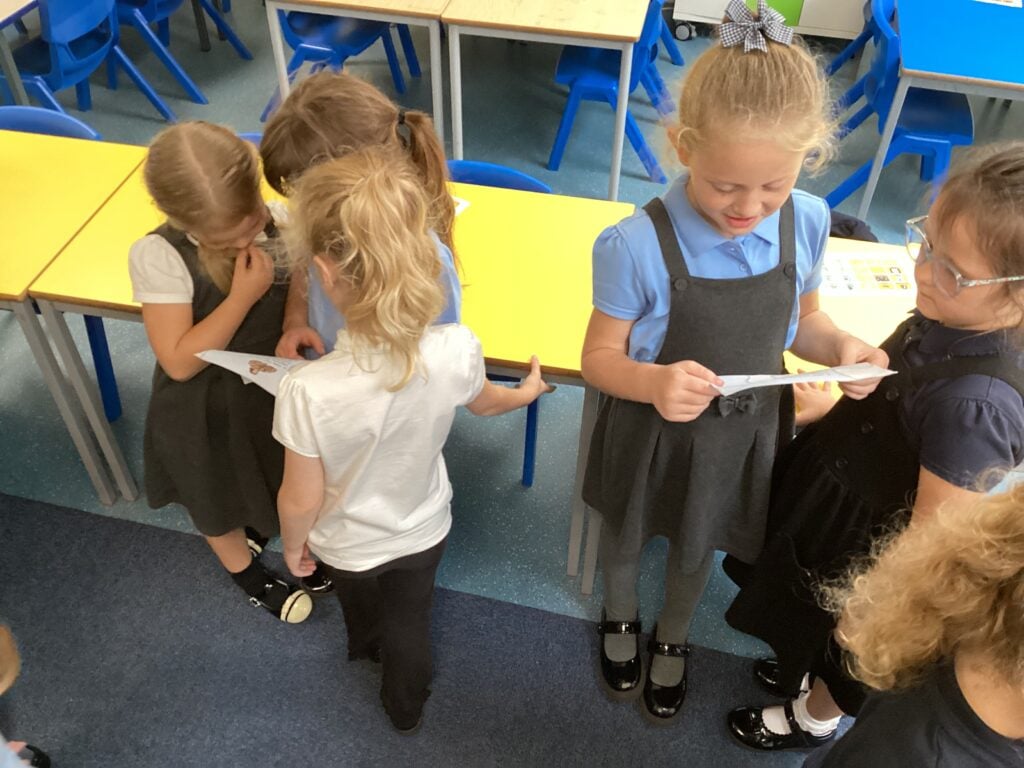
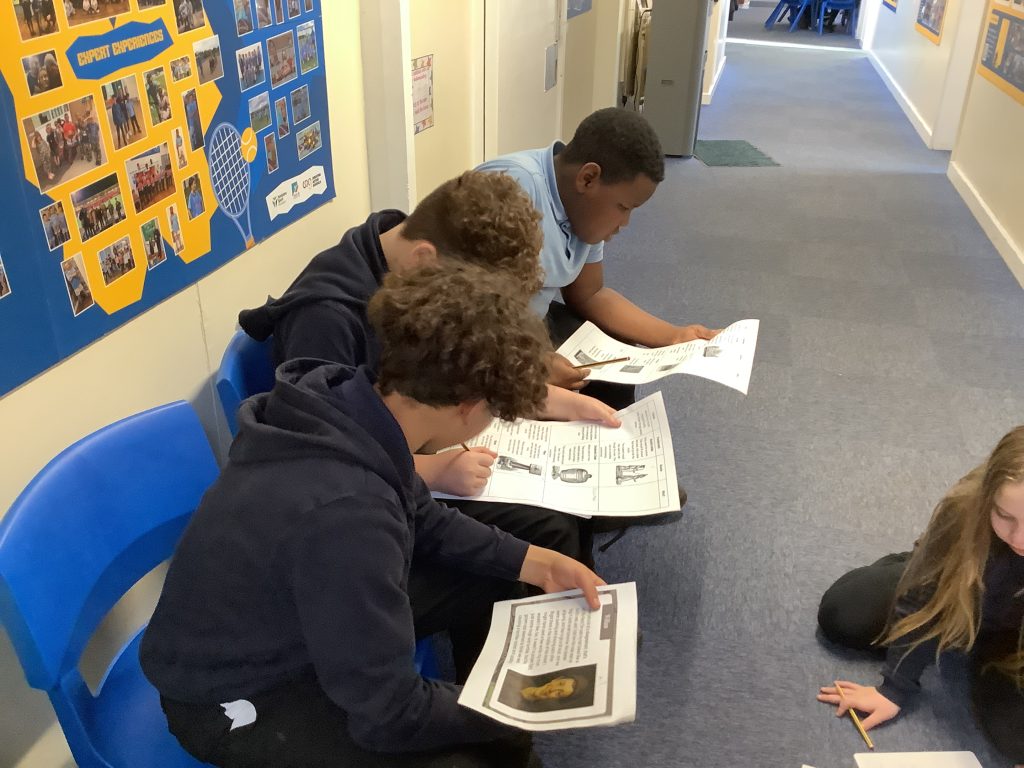
Year 5 had an exciting history lesson exploring crimes and punishments in Tudor times. Working collaboratively, the children investigated different suspects and used clues to infer what crimes they may have committed and what punishments they would have faced, such as the stocks, pillory, or scold’s bridle.

The lesson sparked great discussion as the children shared ideas, justified their thinking, and worked together to reach decisions. We finished by comparing Tudor punishments with those used today, noticing how modern systems focus more on fairness and rehabilitation rather than public humiliation.

It was a great lesson that brought history to life and encouraged thoughtful discussion about how society has changed over time.

Great collaboration Year 5!
Mrs Lewis and Mr Schofield

#LovePlover
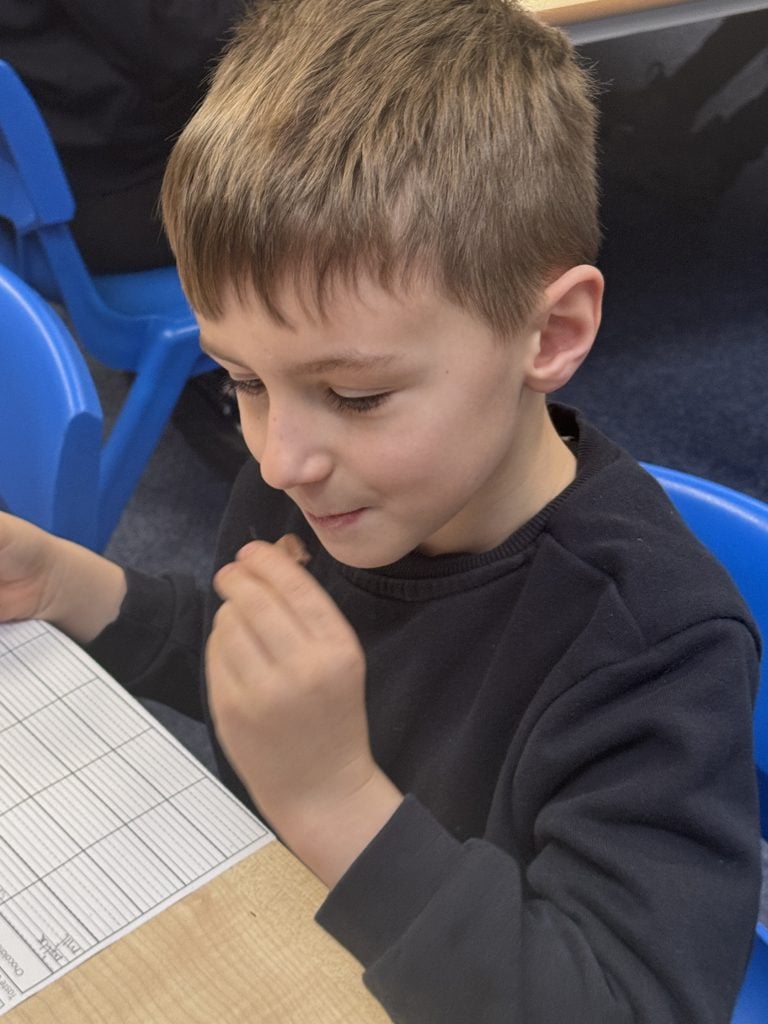
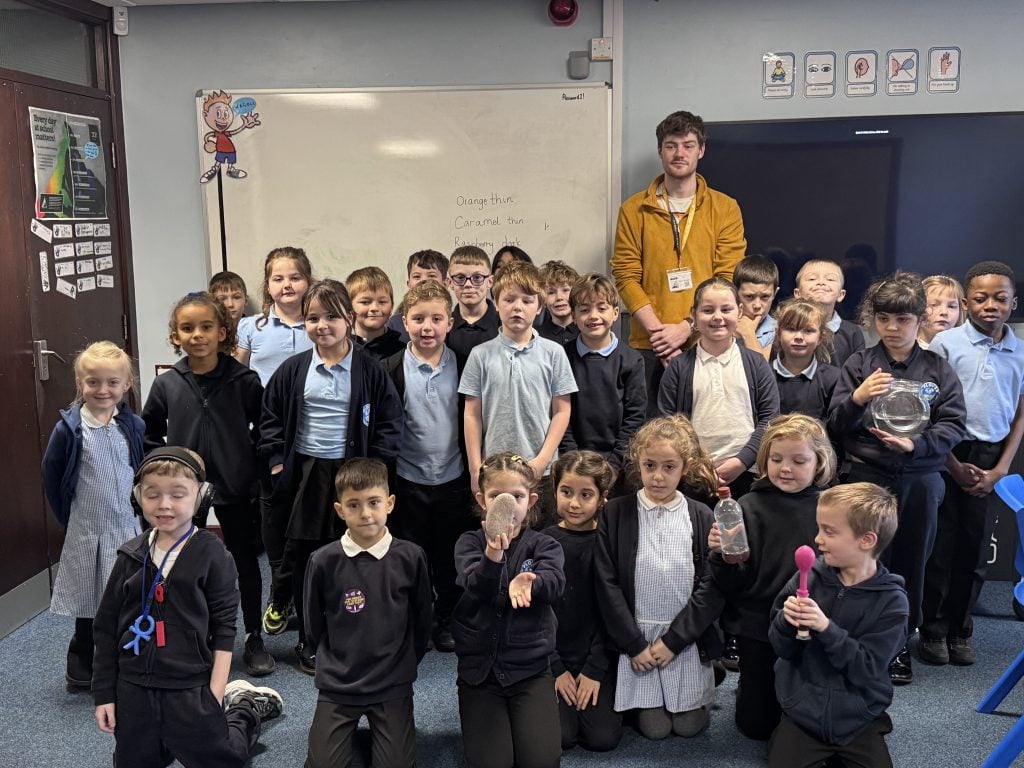
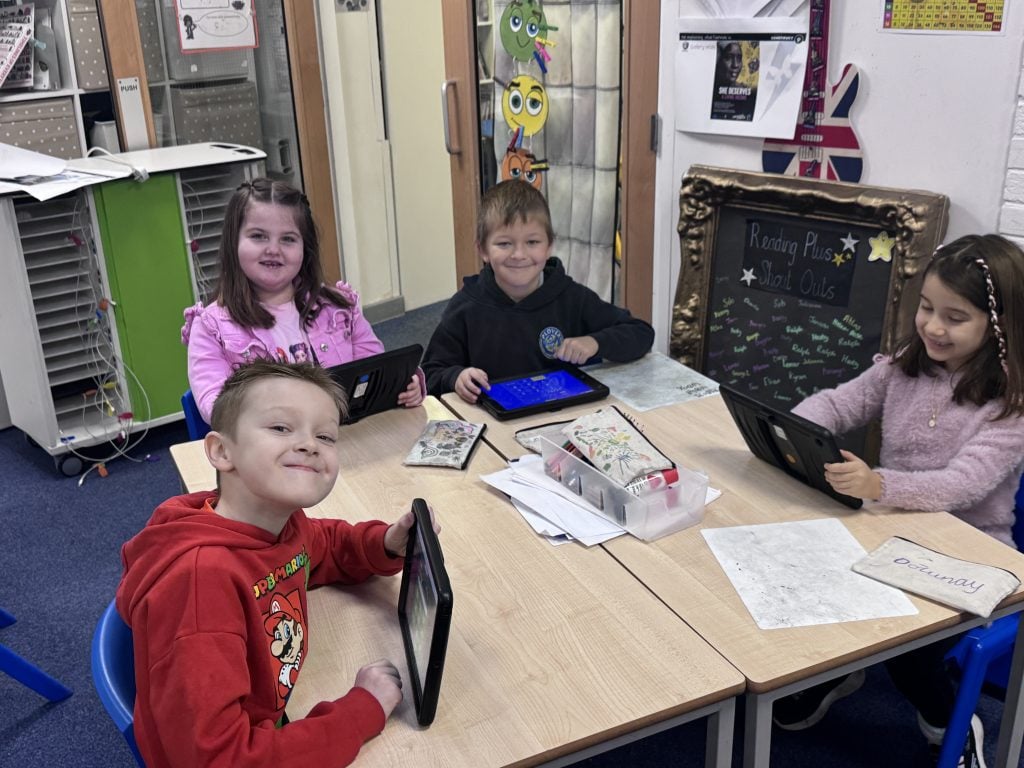
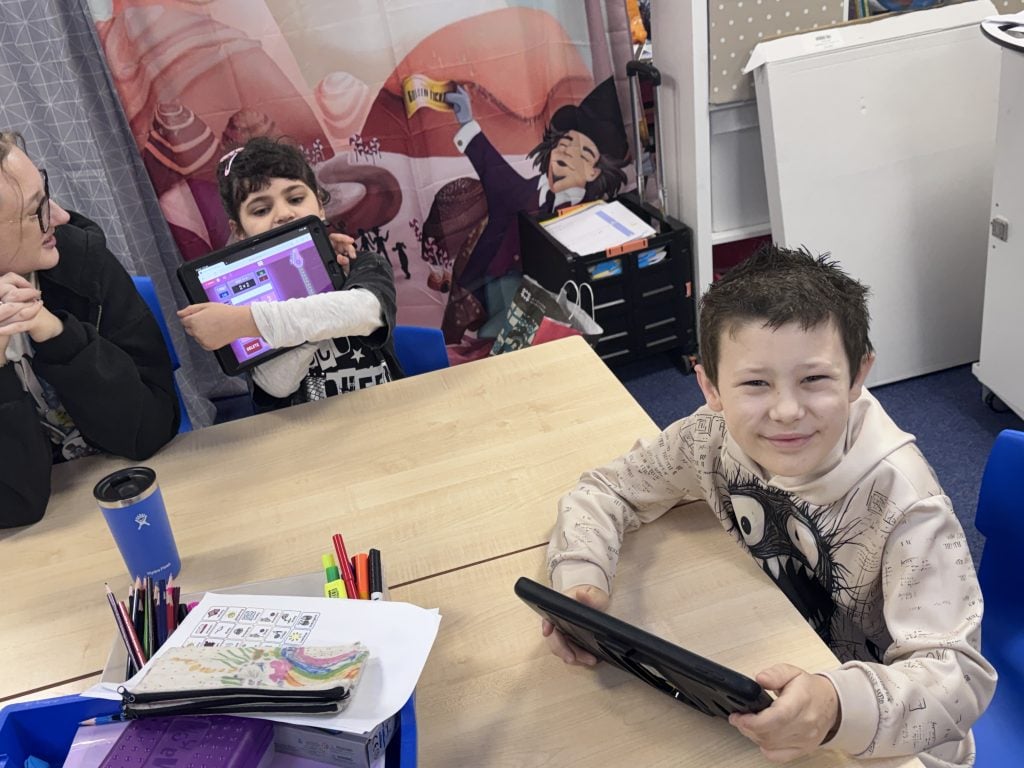
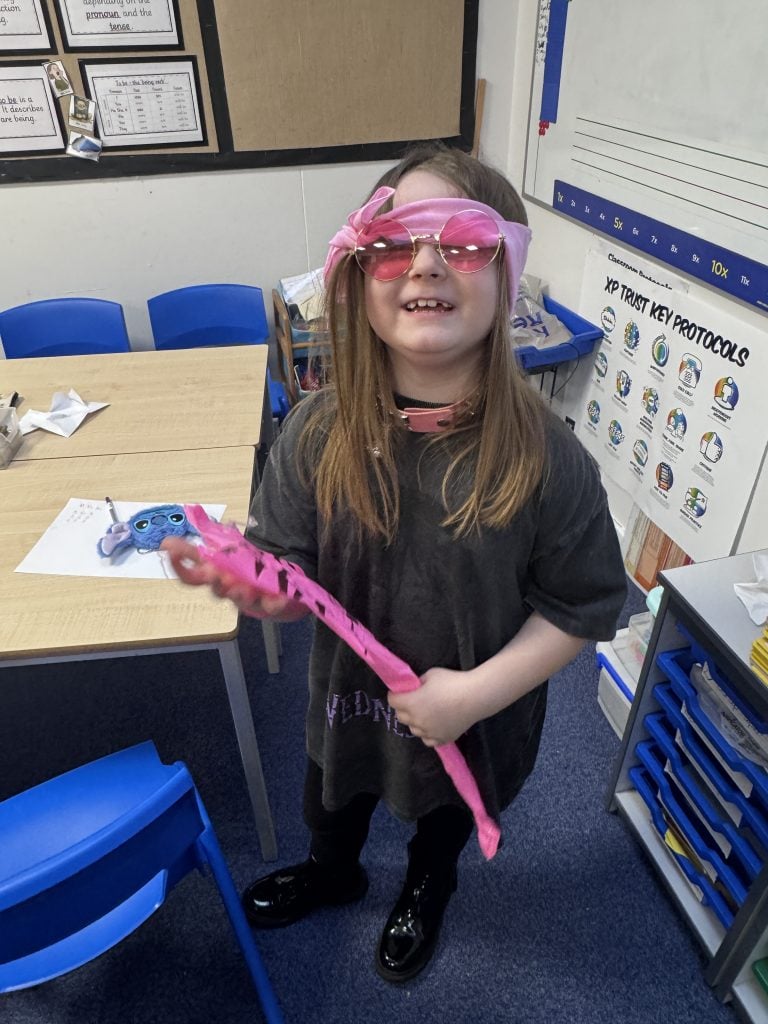
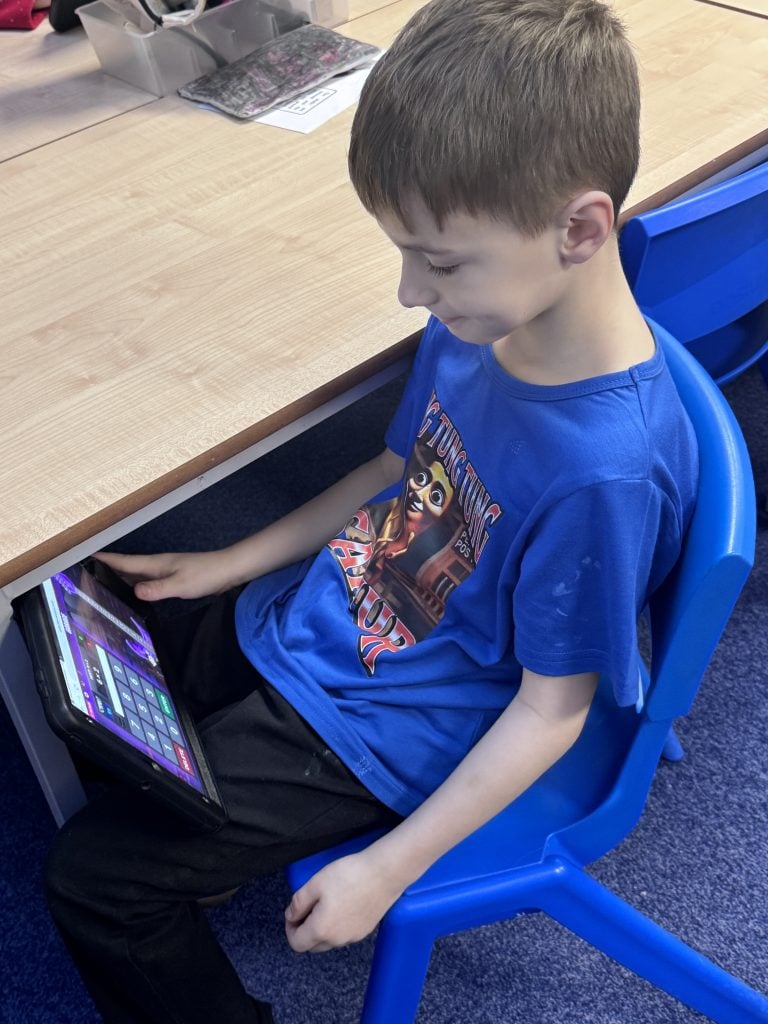
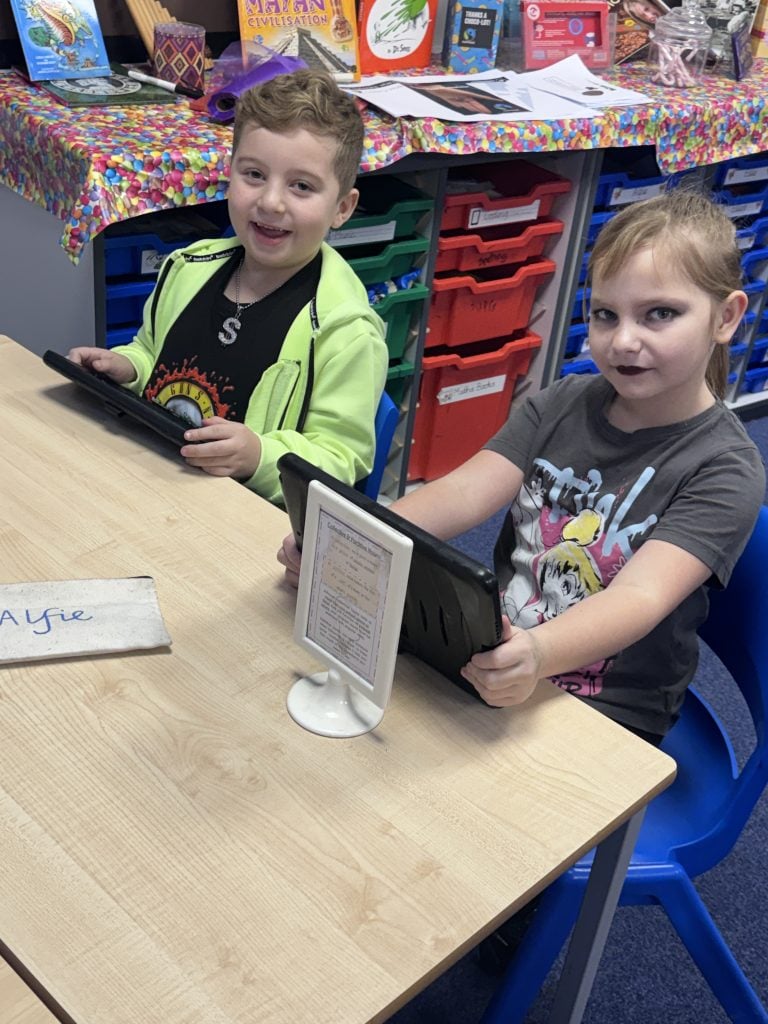
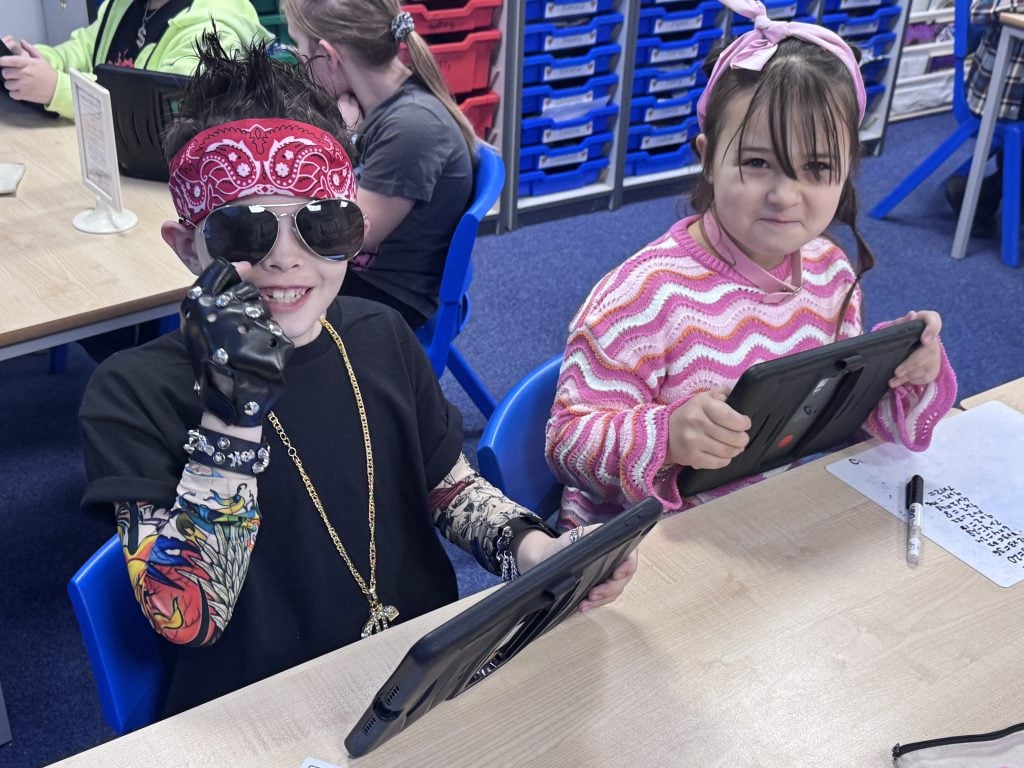
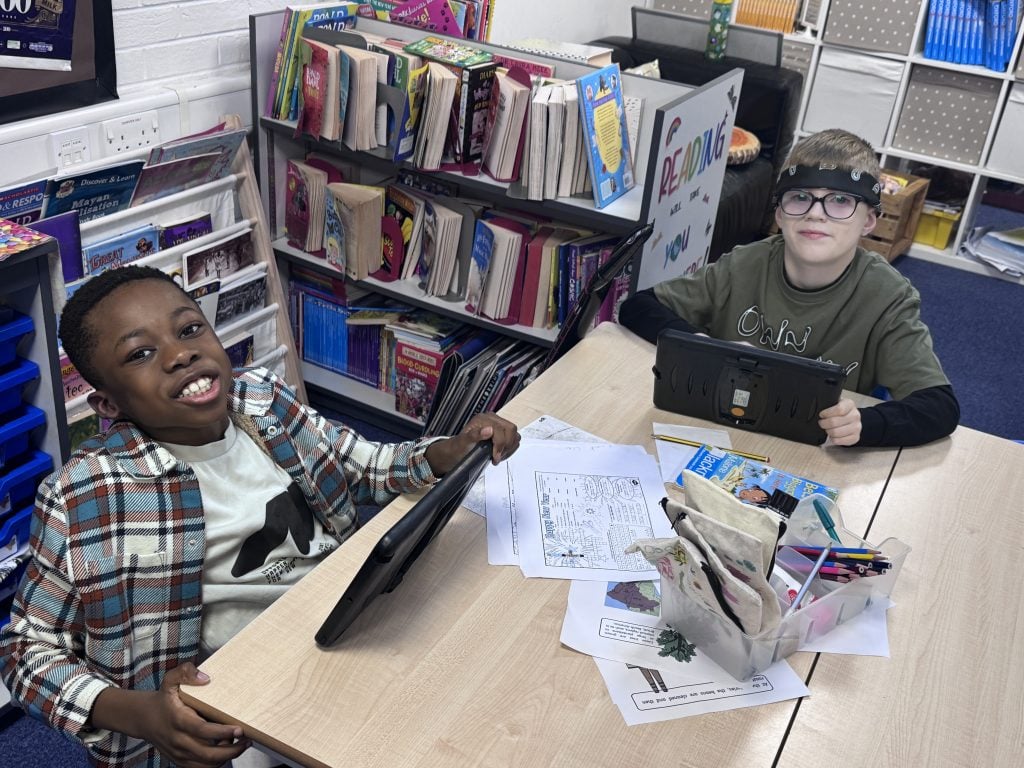
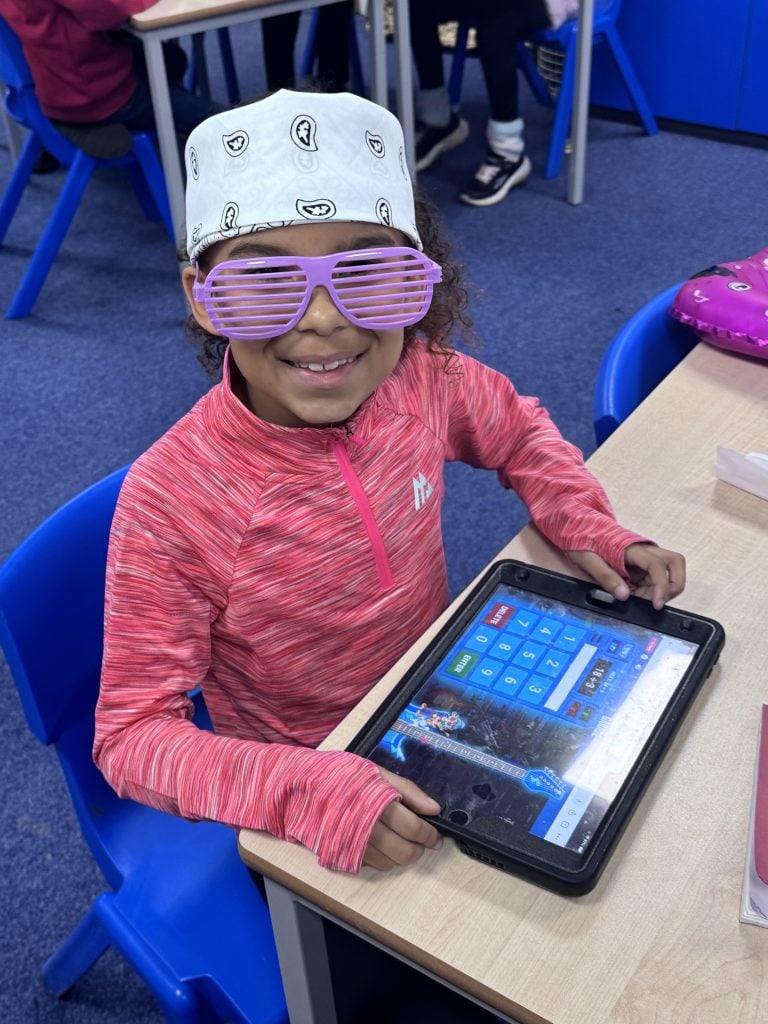
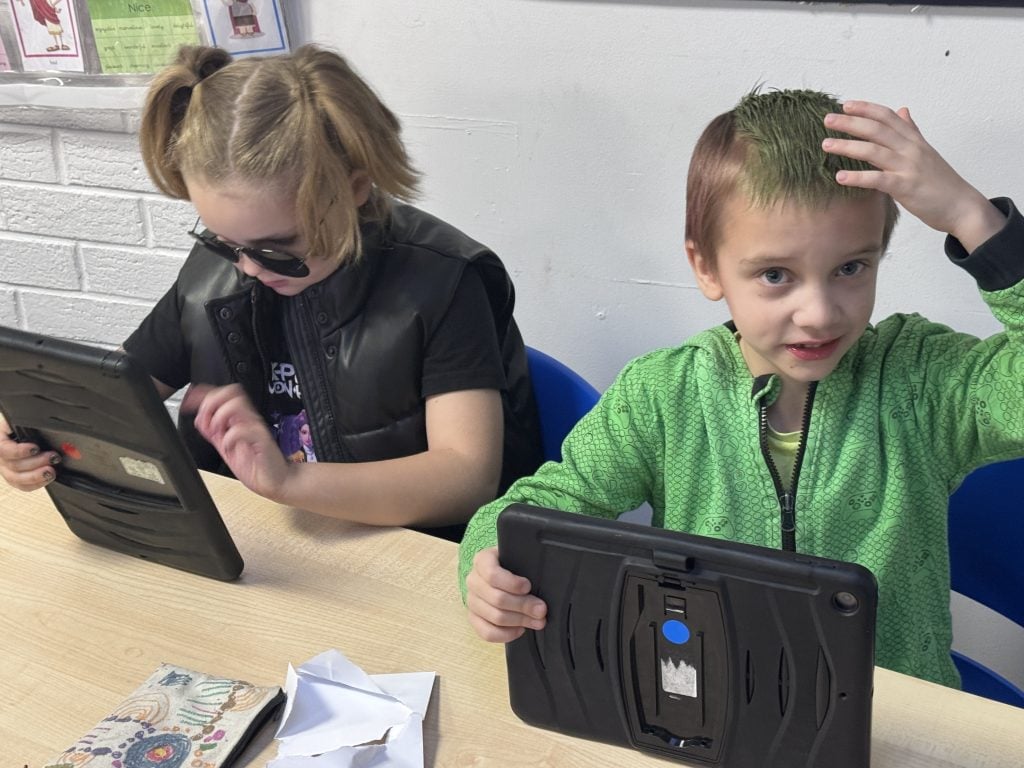
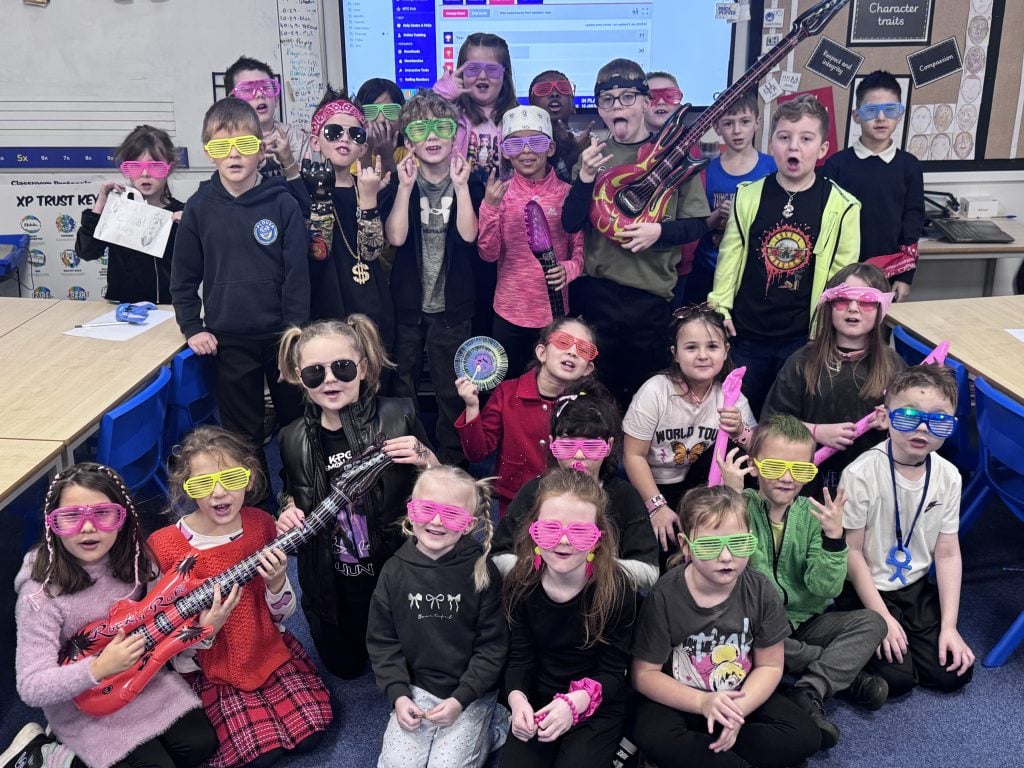
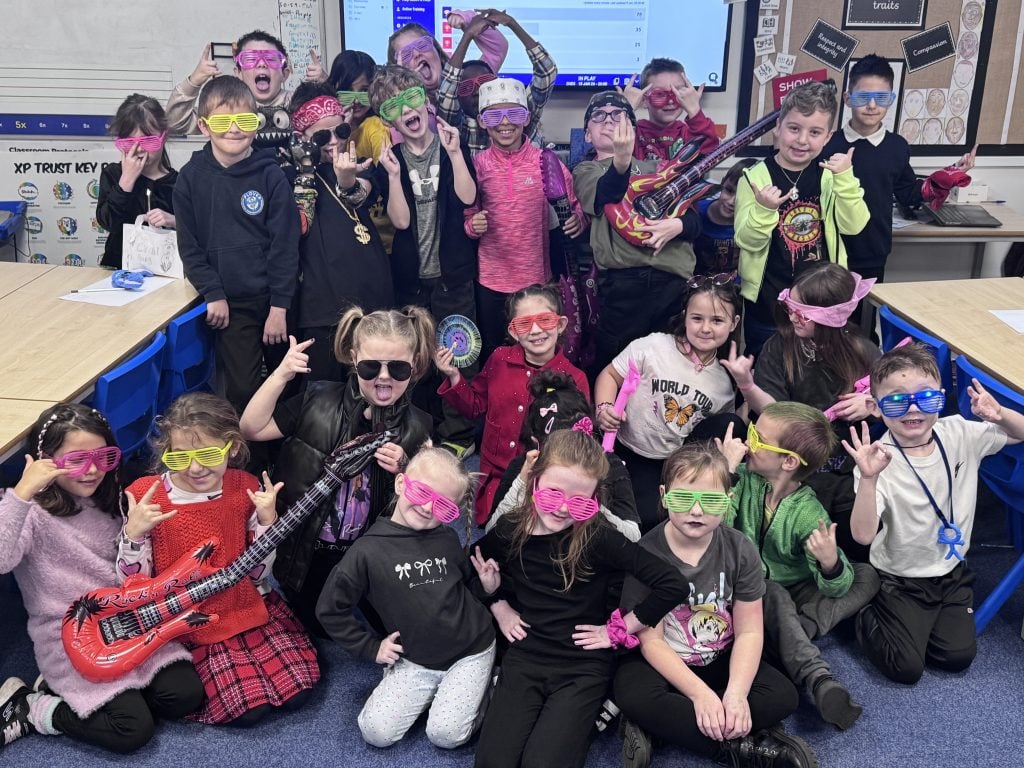
Sweet stuff, science and super Rock Stars for 3G this week!

What a great hook week!

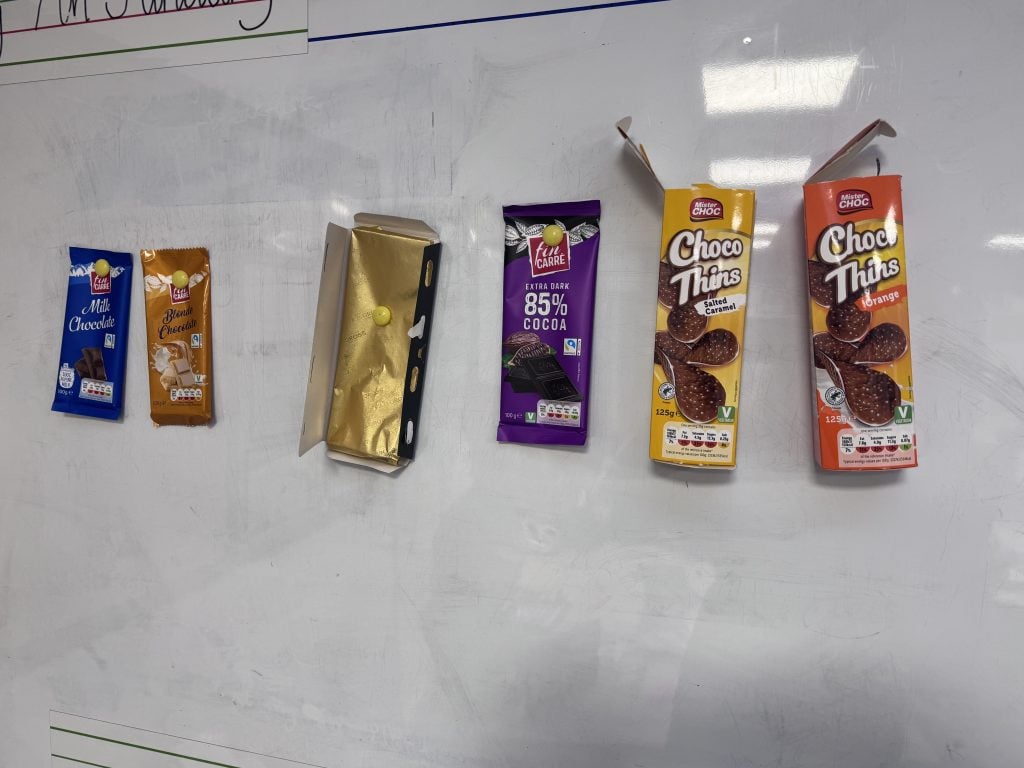
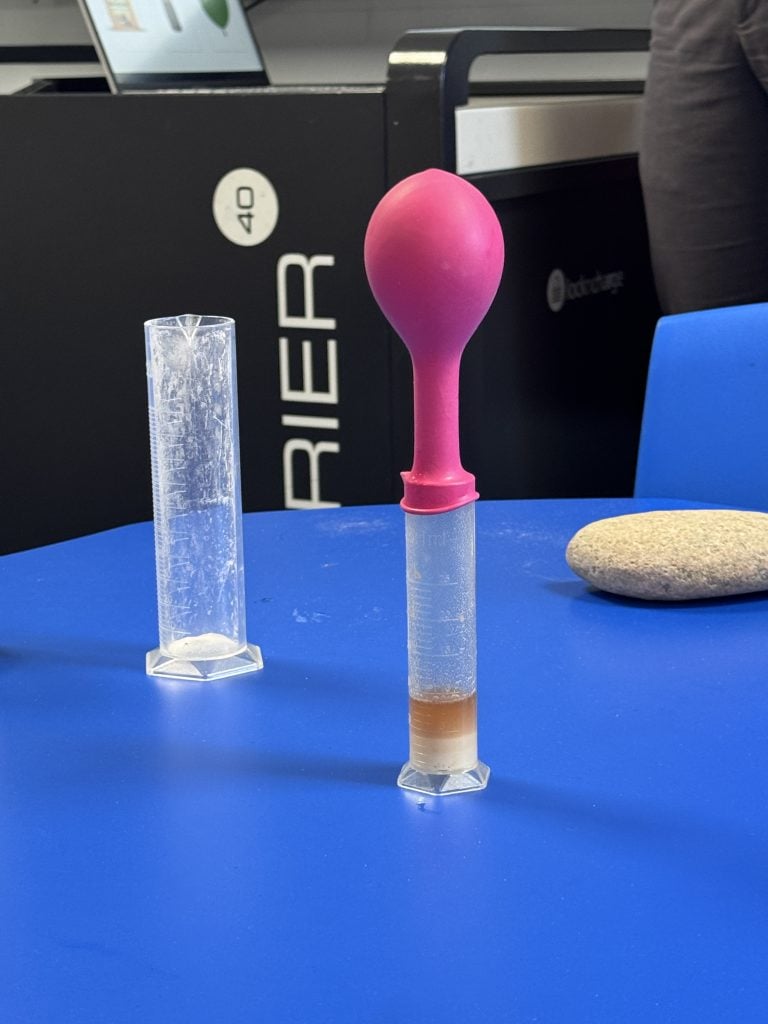
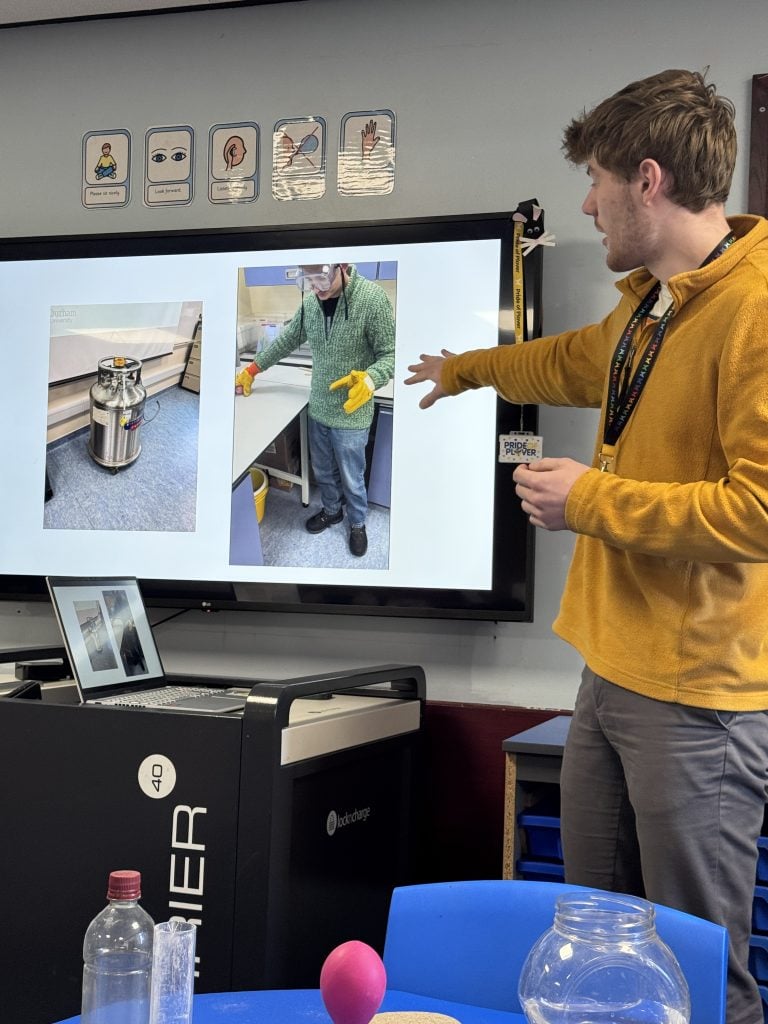
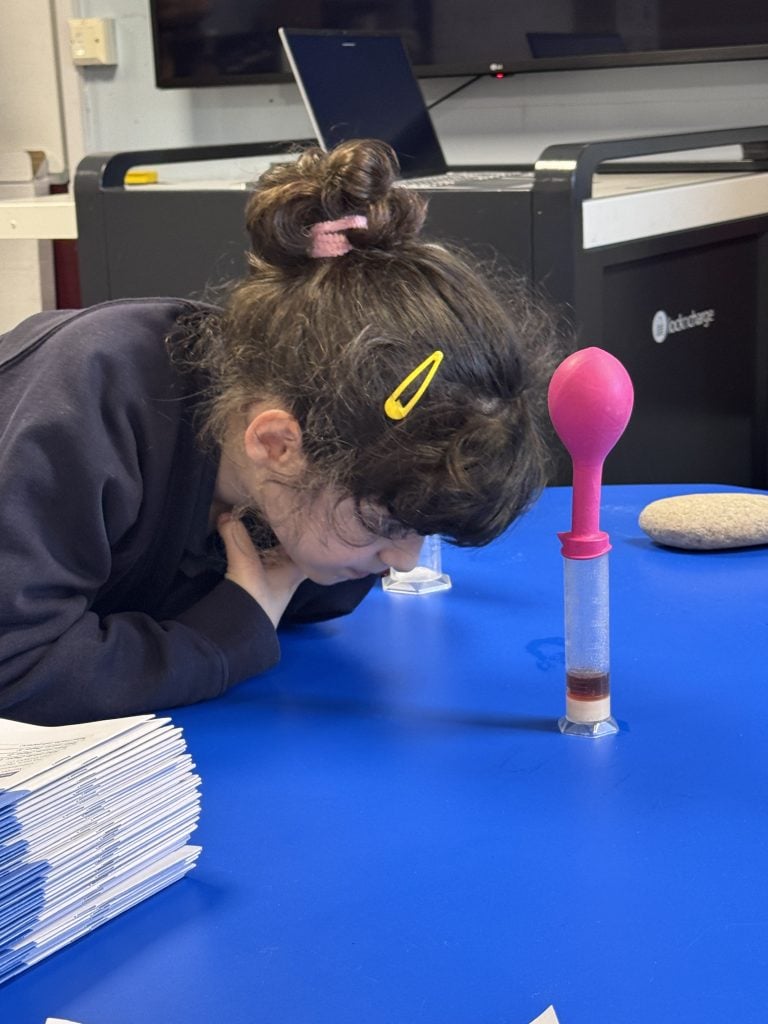
We started with chocolate tasting and then delved into the history of chocolate. We were introduced to the concept of Fairtrade and learnt about solids, liquids and gases with our expert visitor and scientist, Harry.

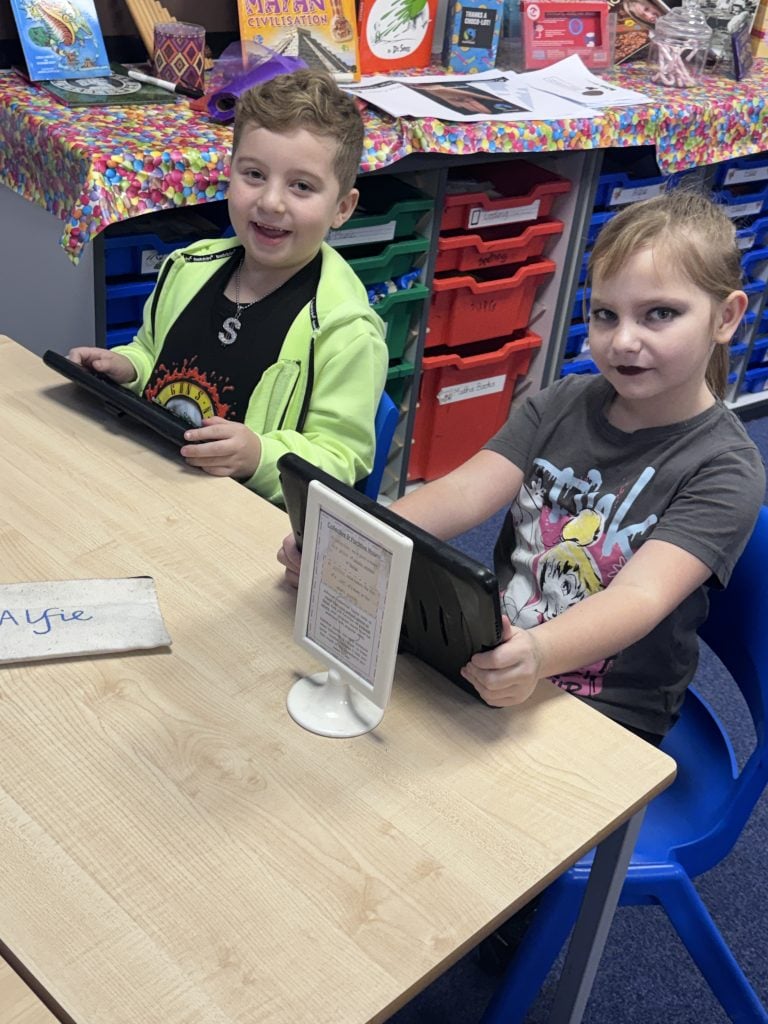
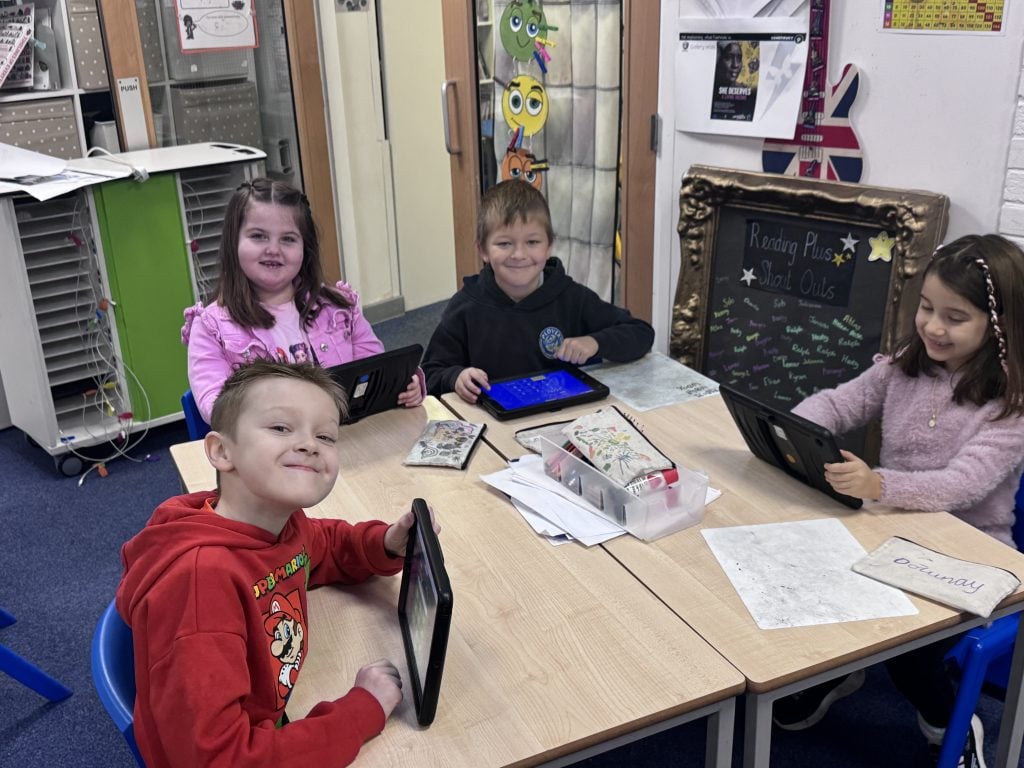
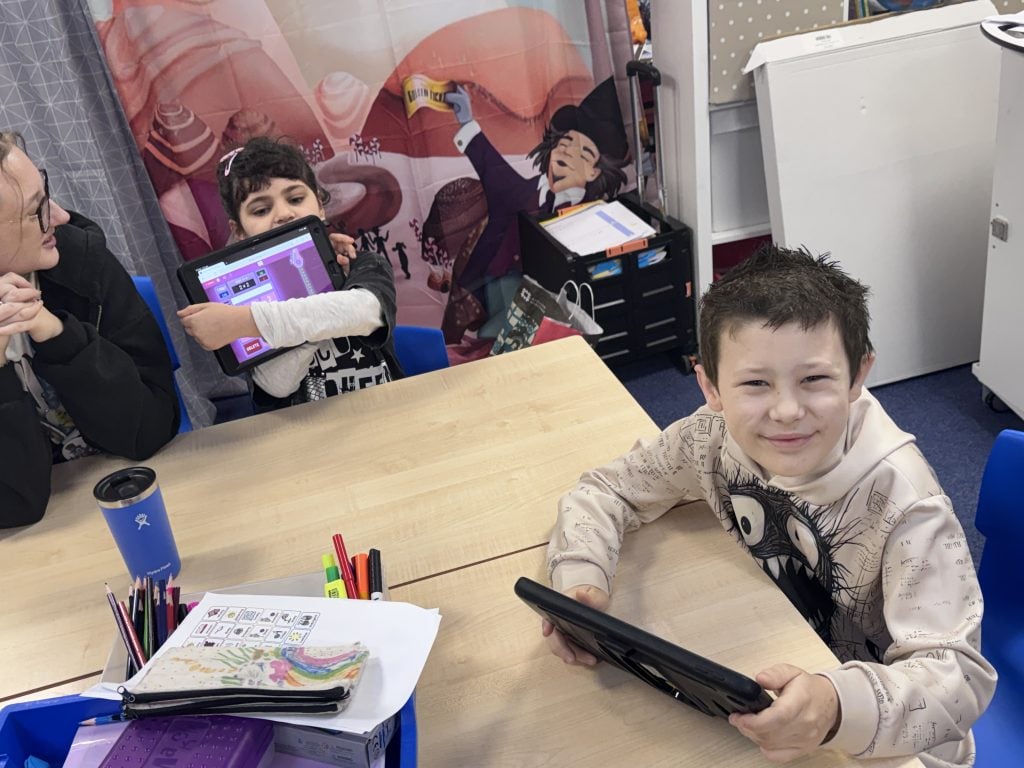
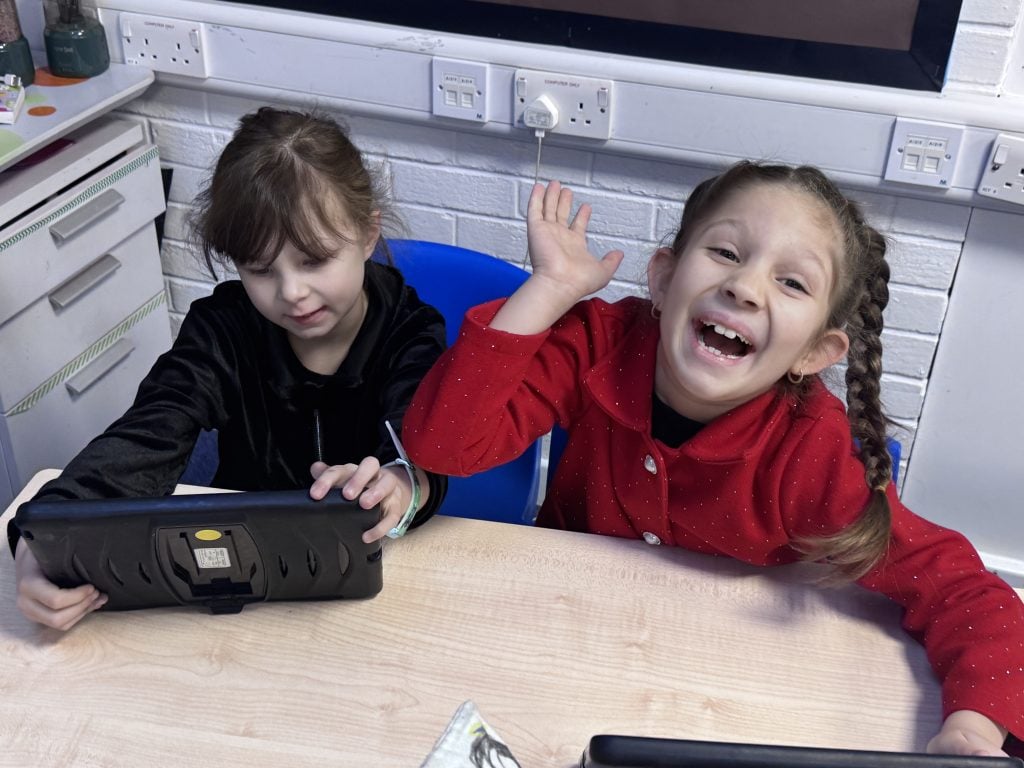
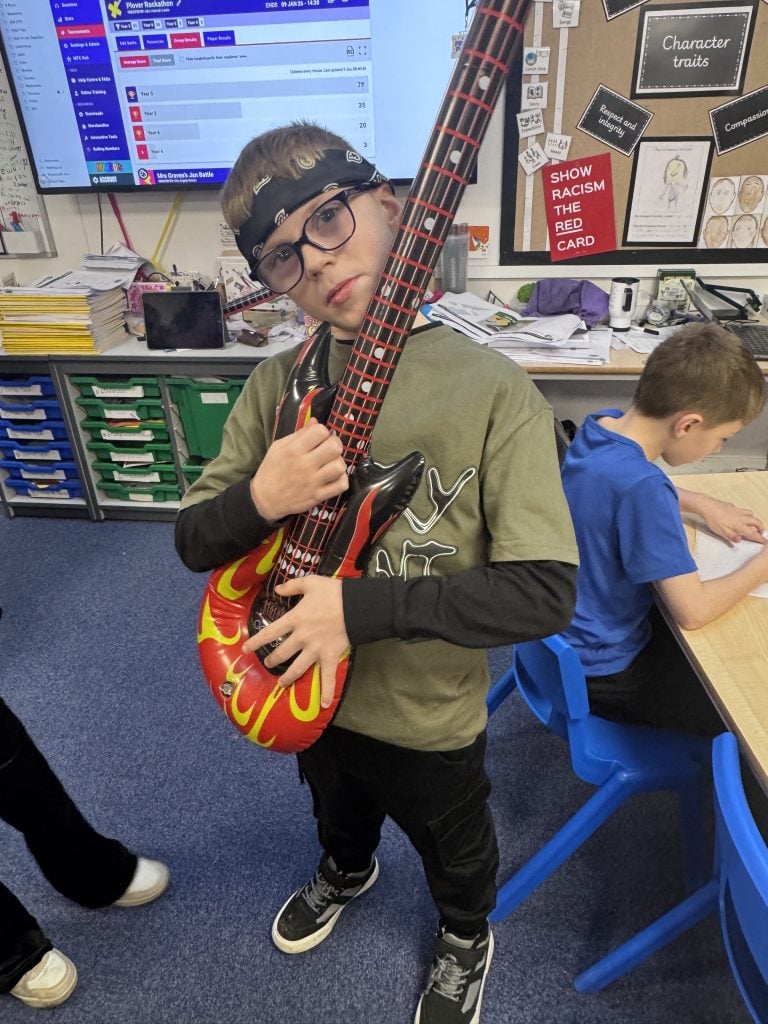
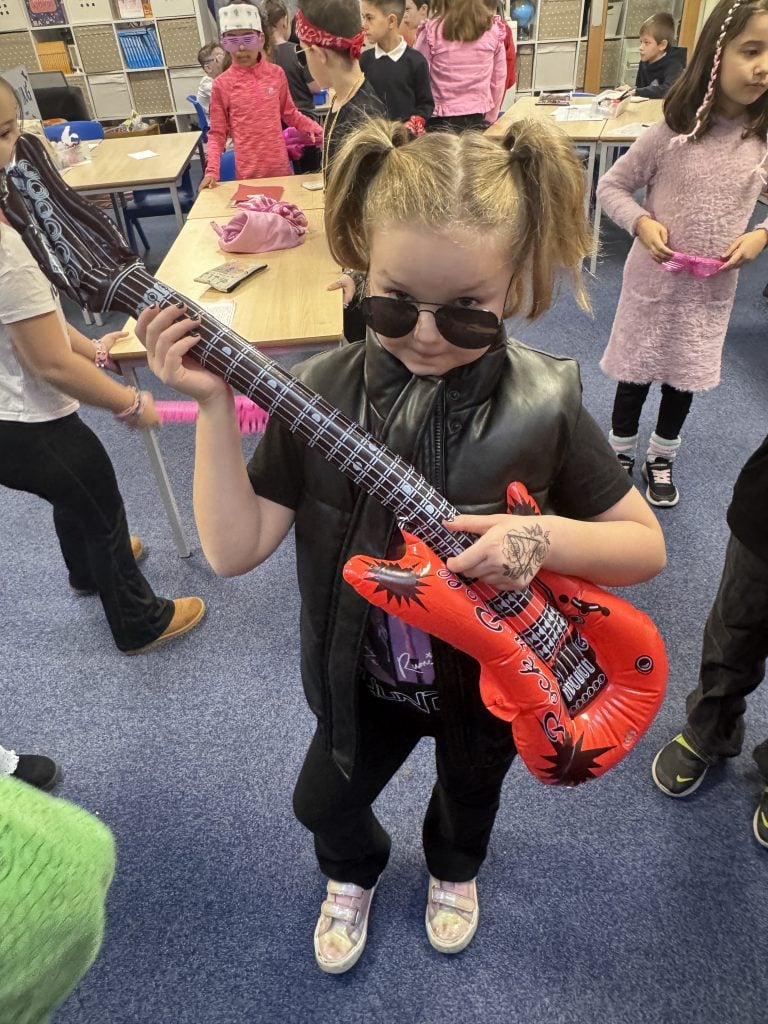
The week ended with our Rockstar day – kicking it off with the Rockathon times tables challenge. Everyone looked fantastic and had great fun on Times Tables Rockstars.

Looking forward to what comes next!

Mrs Graves

#LovePlover
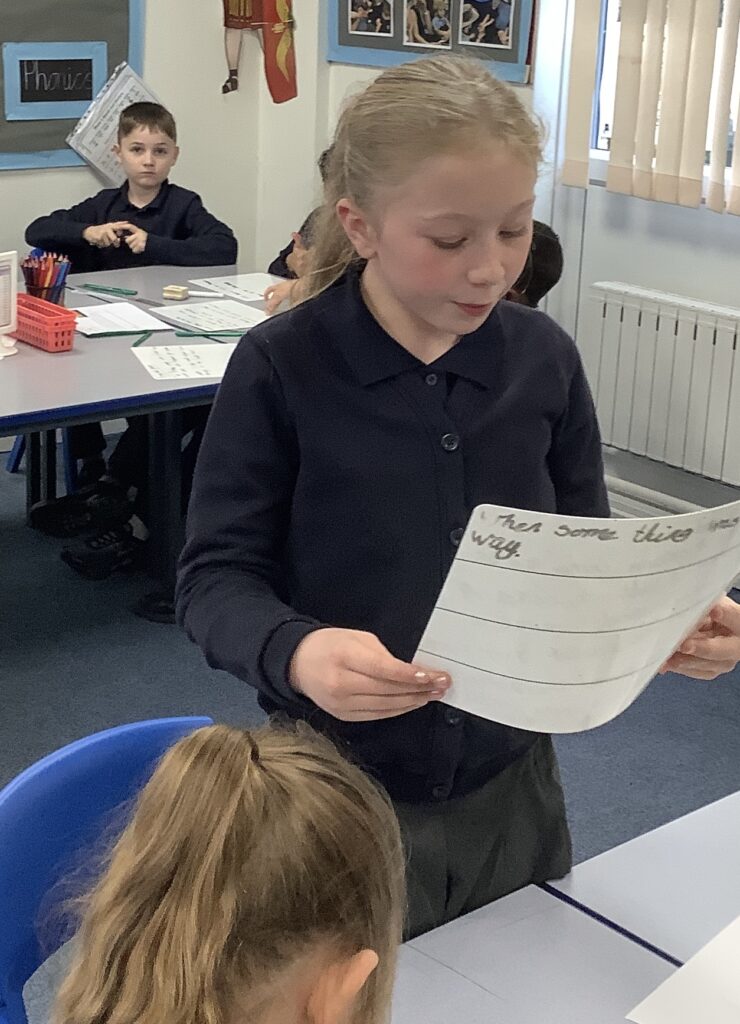
Tudor dress up day reminder for Year 5&6 pupils- Tuesday 6th January

A polite reminder about our upcoming dress up day which is on Tuesday 6th January. We are asking pupils to dress as someone/ in something resembling Tudor times. This was sent out as a letter in November and added to our parent overview before Christmas.

Please do not feel you have to buy a costume, there are lots of examples online. Your child may want to come dressed in dark colours with faceprint resembling coal/dirt to come as a poor person in Tudor times. They could also dress as maids/servants. Some children have drawn a Tudor rose over the holidays and are sticking this to a plain t-shirt.

We are really looking forward to this upcoming expedition and can’t wait for all the engaging lessons we have planned. Any questions, please do contact me- [email protected]

-Miss Blackham

LovePlover

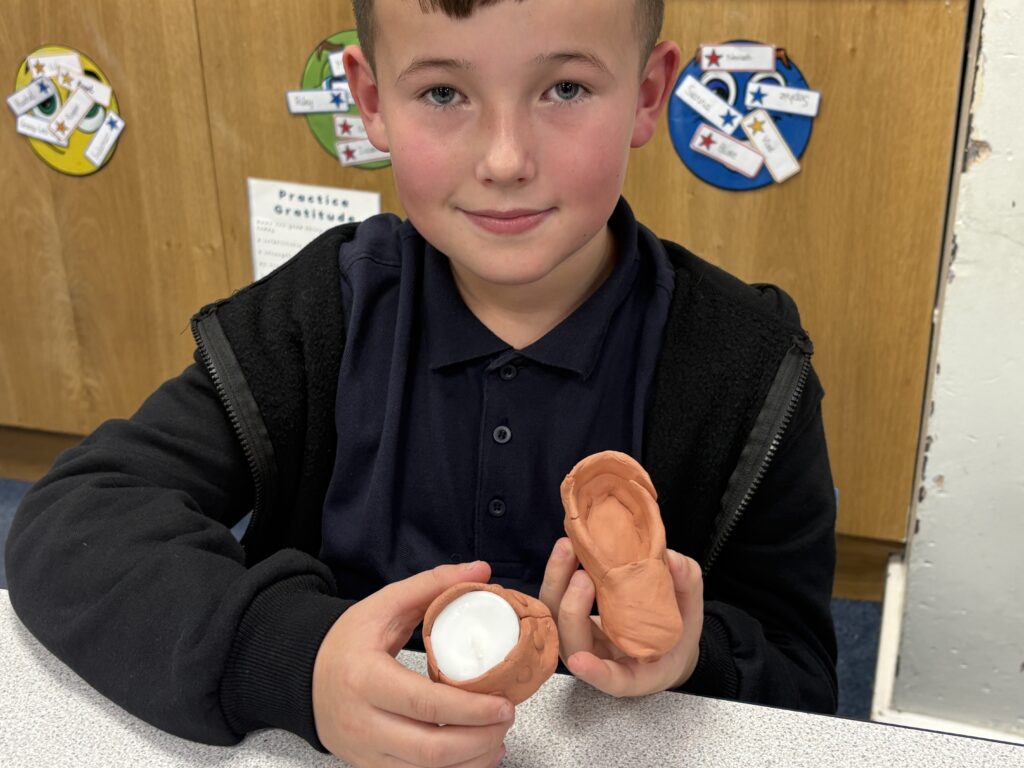
I am working hard

This young man has been working hard at home to replicate what he has made in school. By doing this he has been able to further improve his craftsmanship and the quality of work he has produced is fantastic. Well done!

Mrs Haycock

#LovePlover

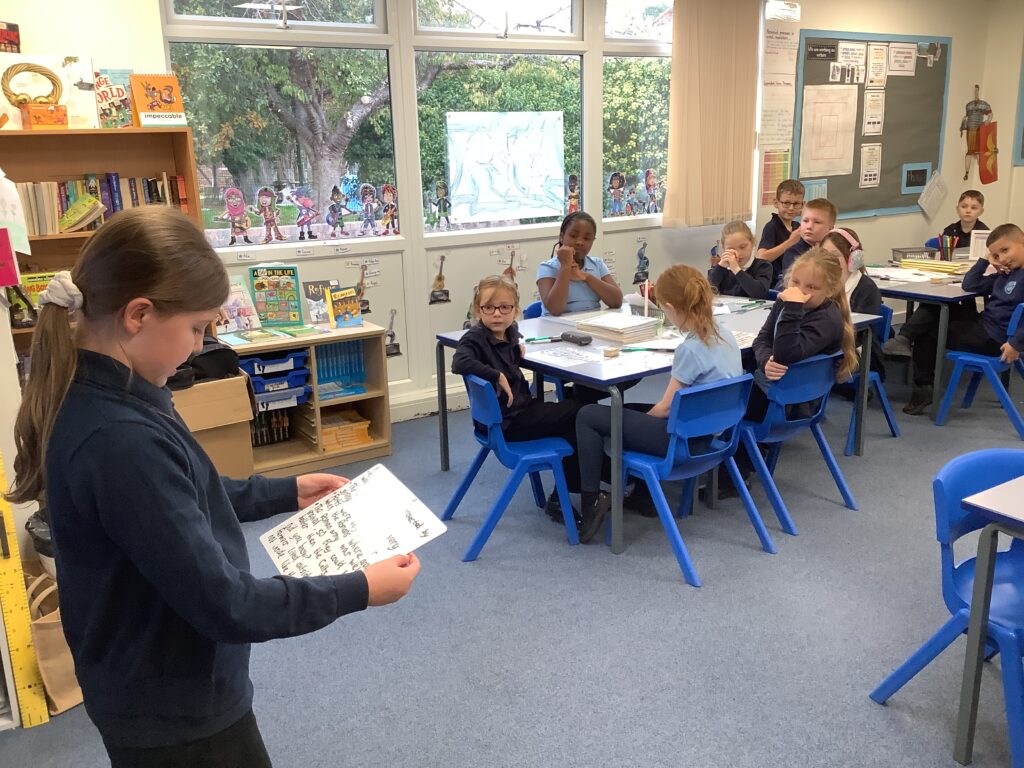
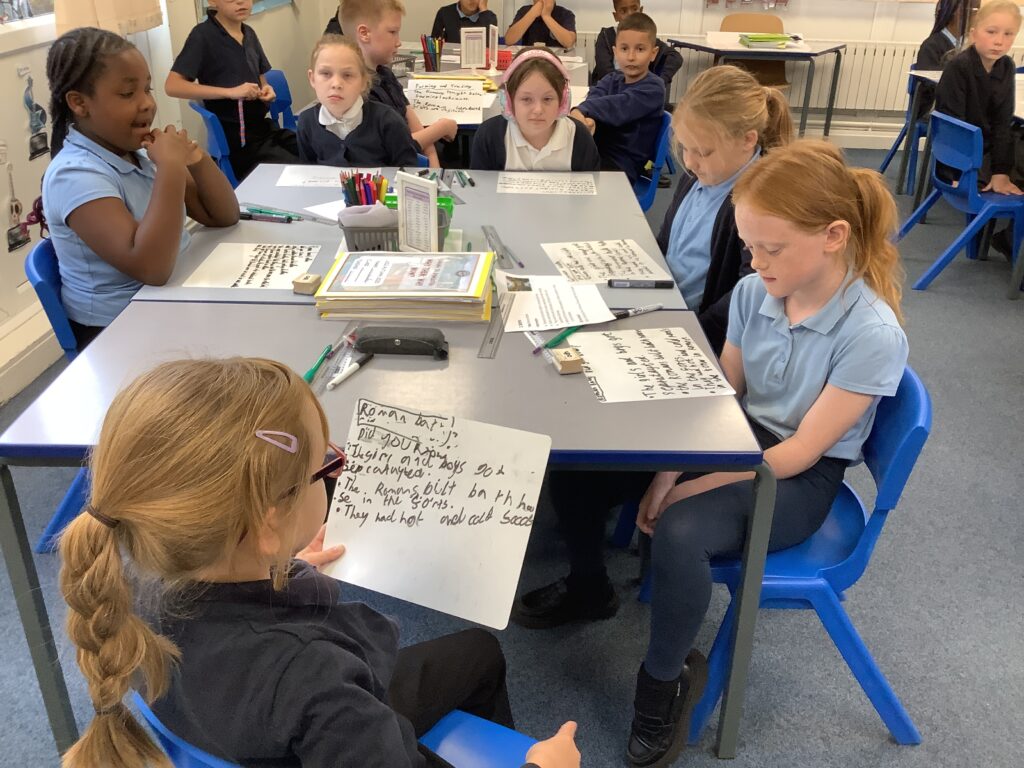
We are courageous!

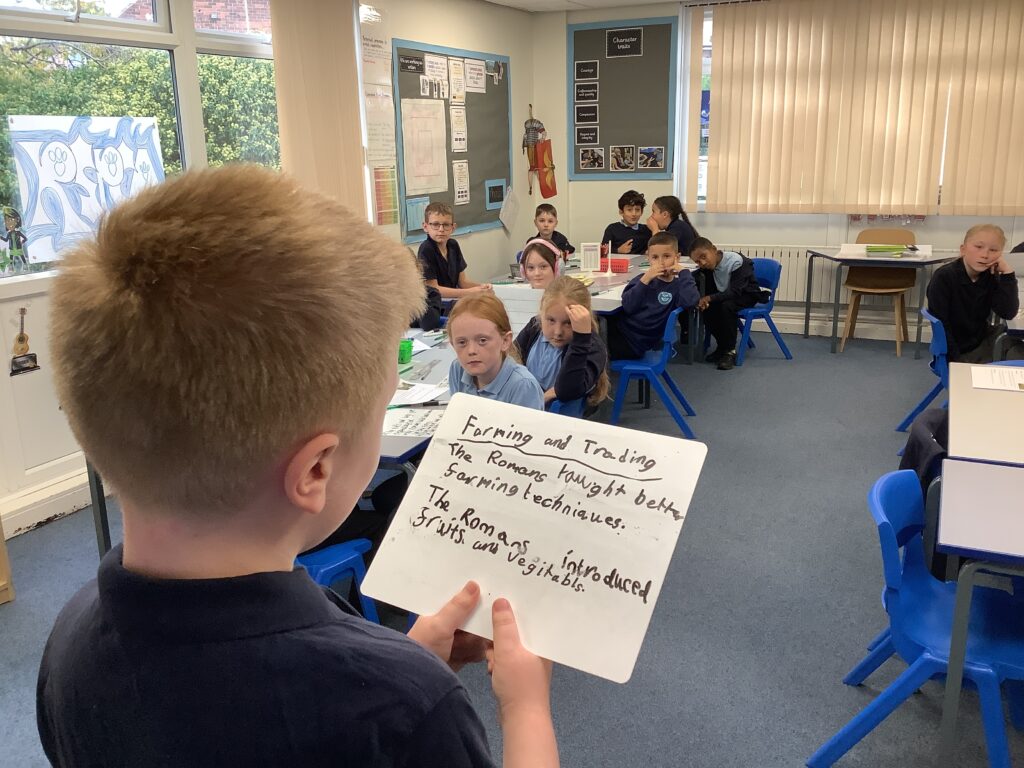
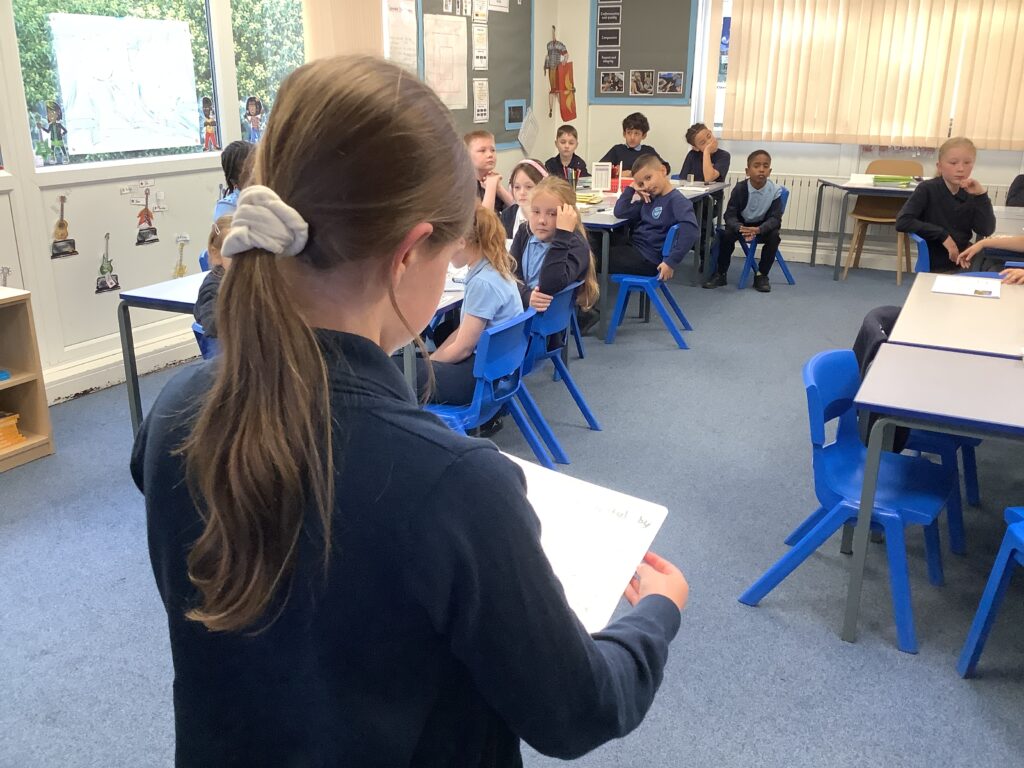
Well done to everyone who stood in front of the class and spoke about the information they had collated about the Romans and how they founded Doncaster – then known as Danum. It takes a lot of courage to speak to a large group of children, so you really do need to be proud of yourself if you have been able to be brave enough to do this!

Keep being courageous 4H!

Mrs Haycock

#LovePlover
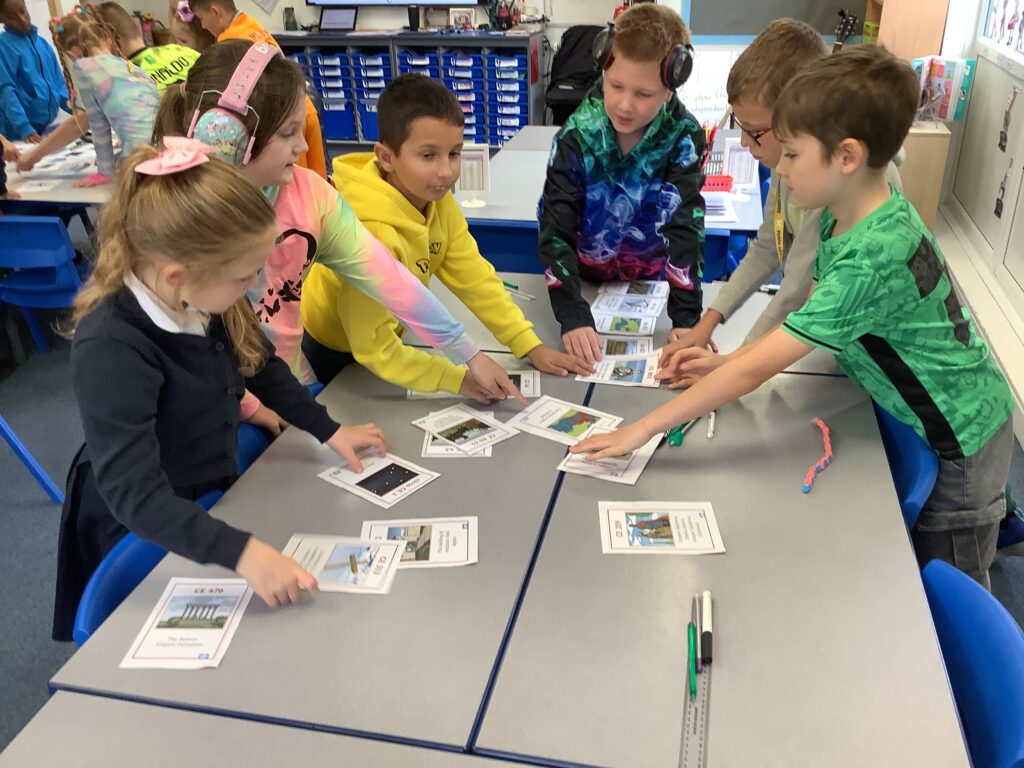
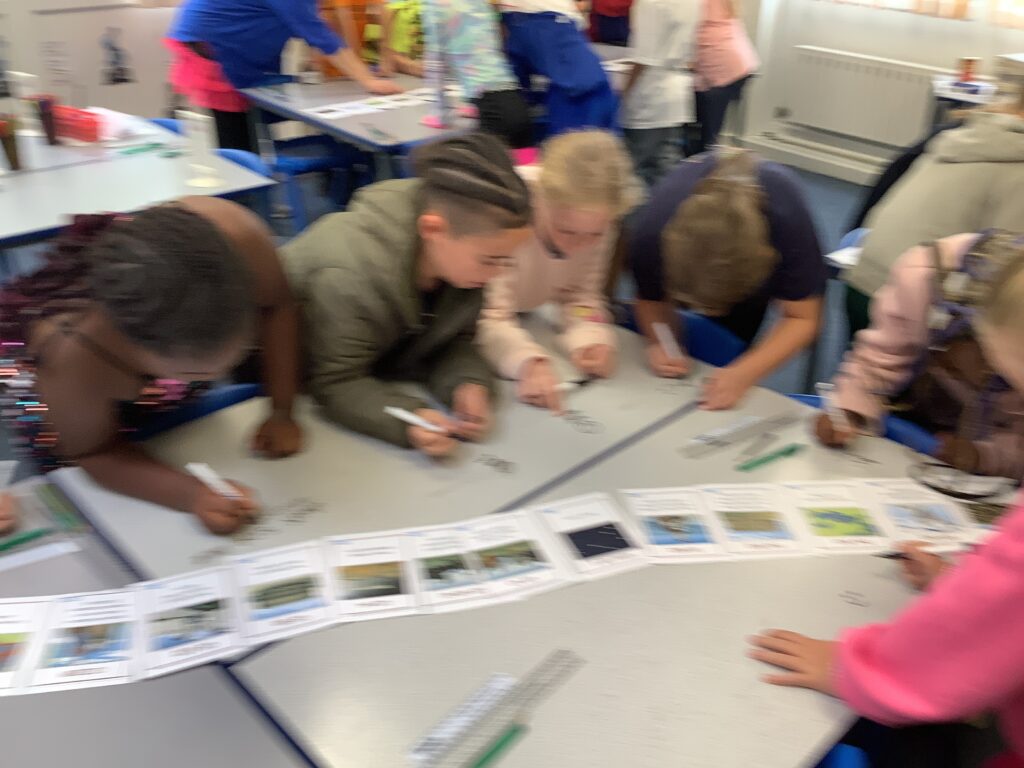
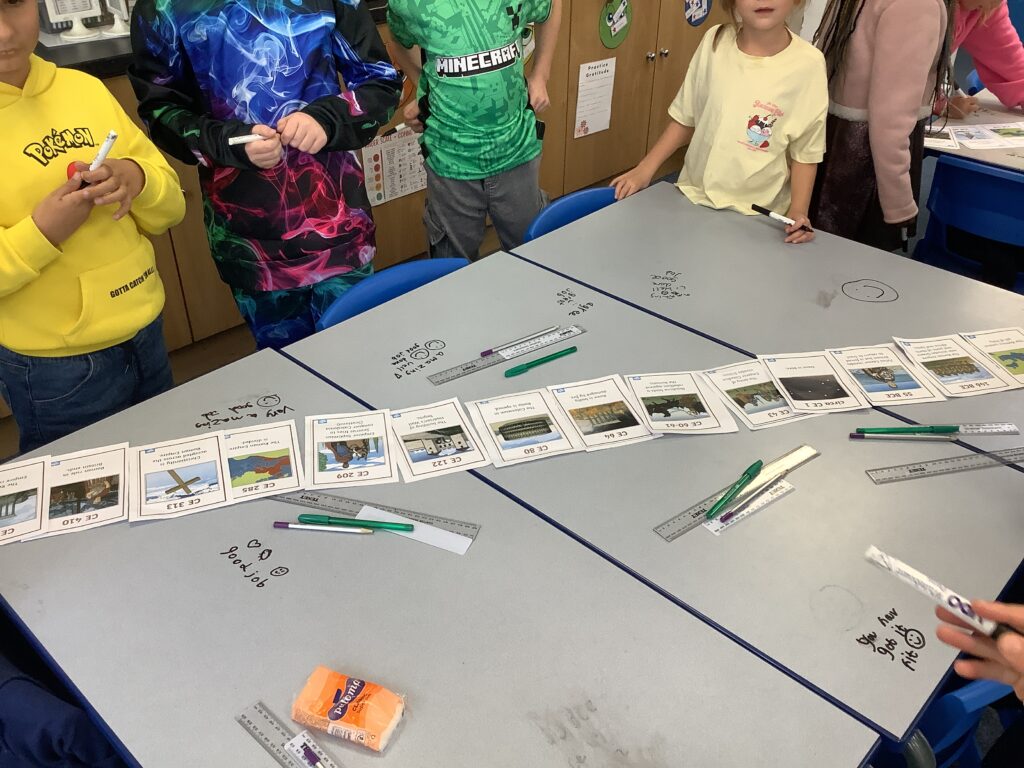
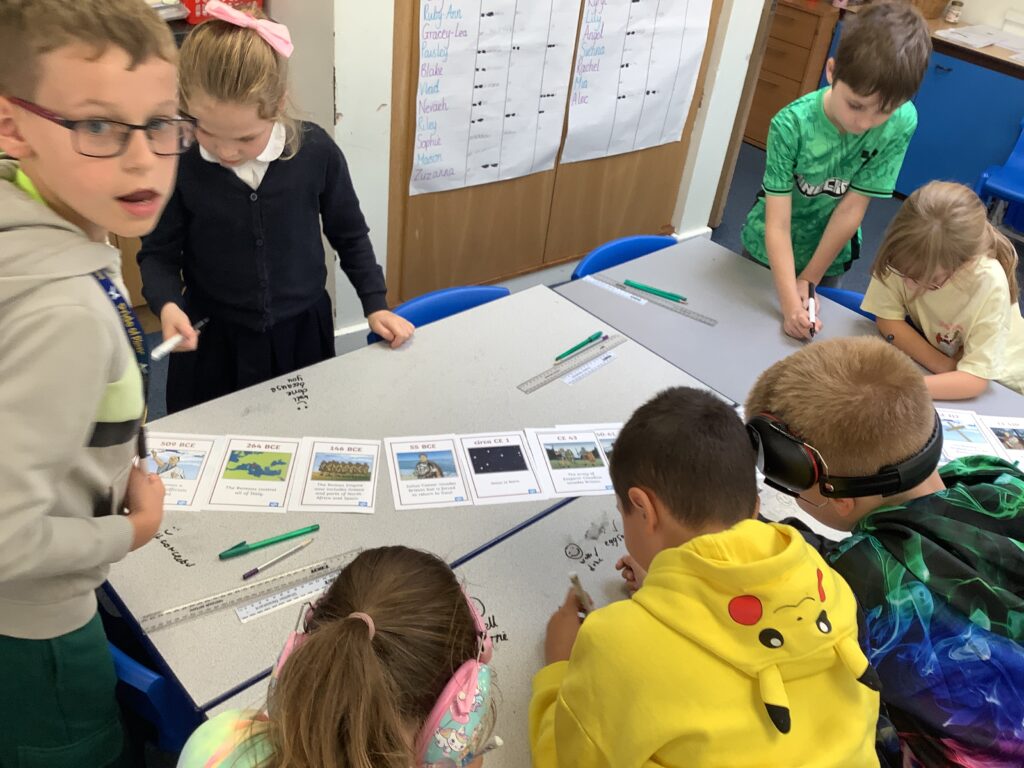
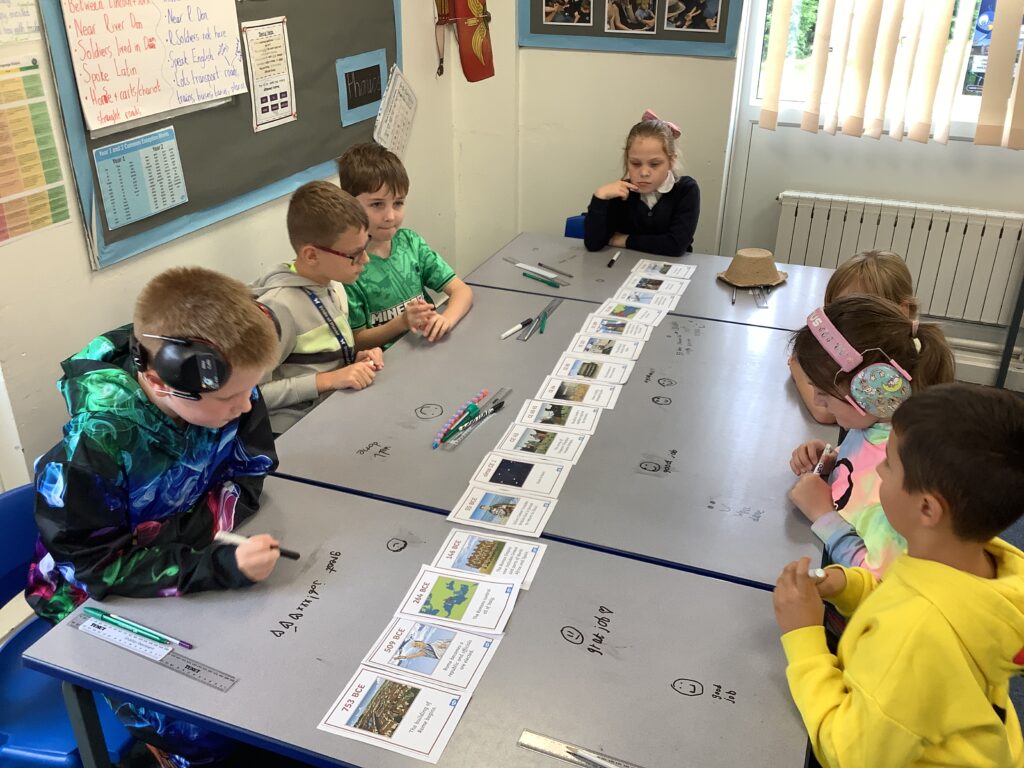
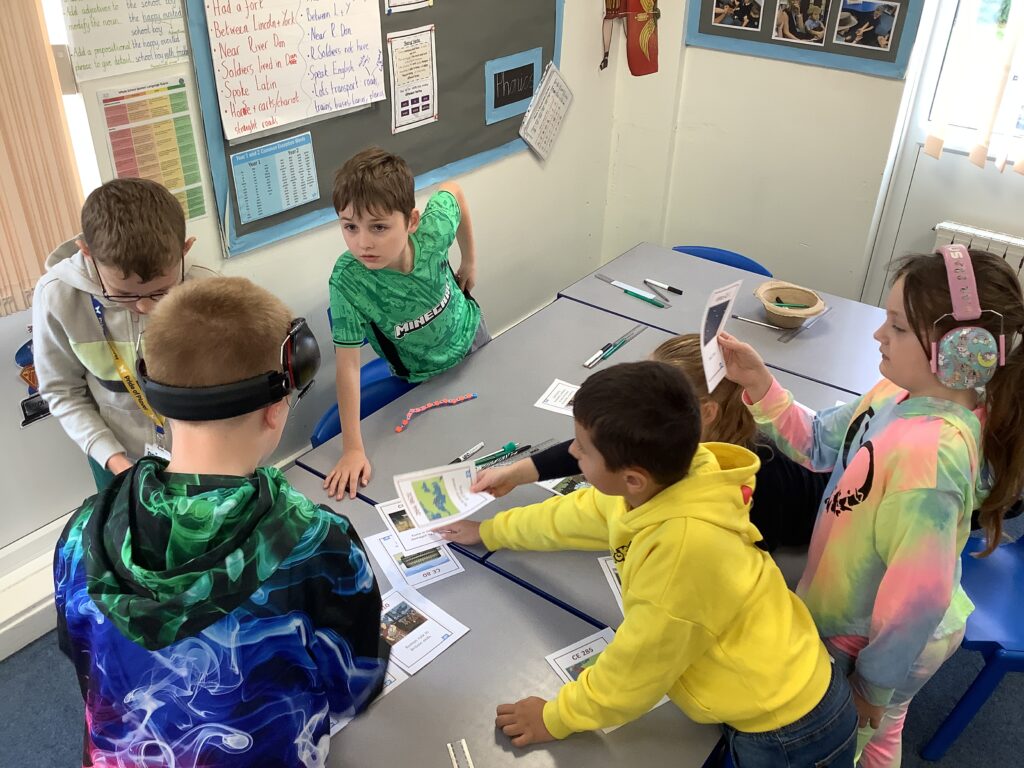
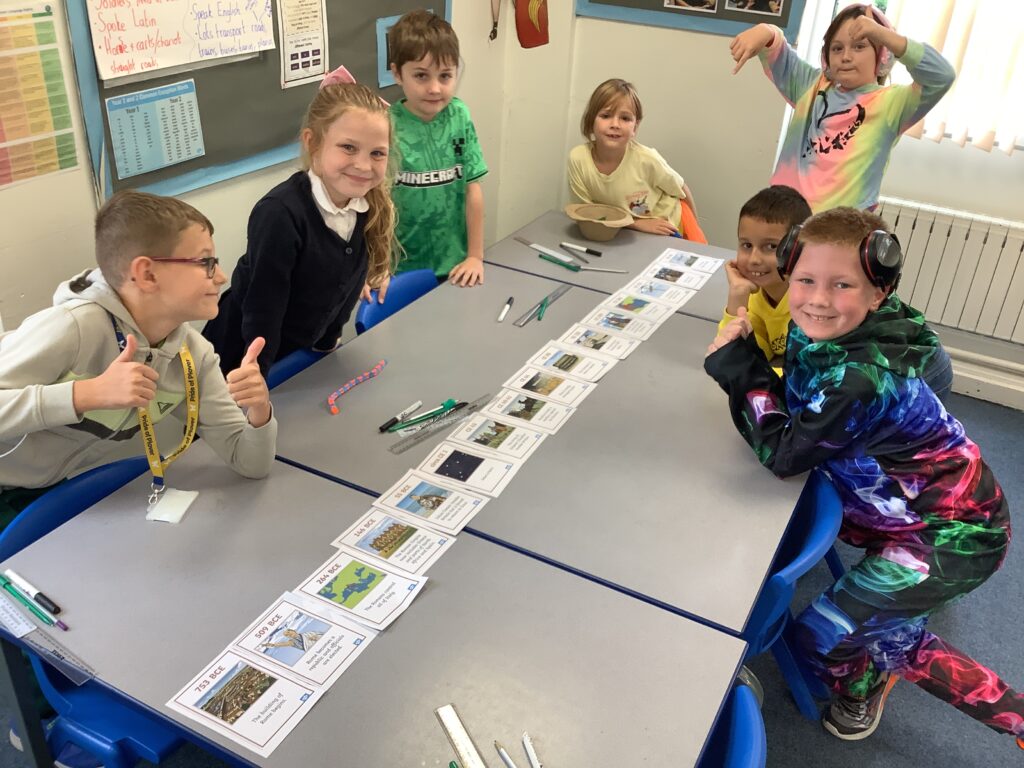
We can place events on a timeline!

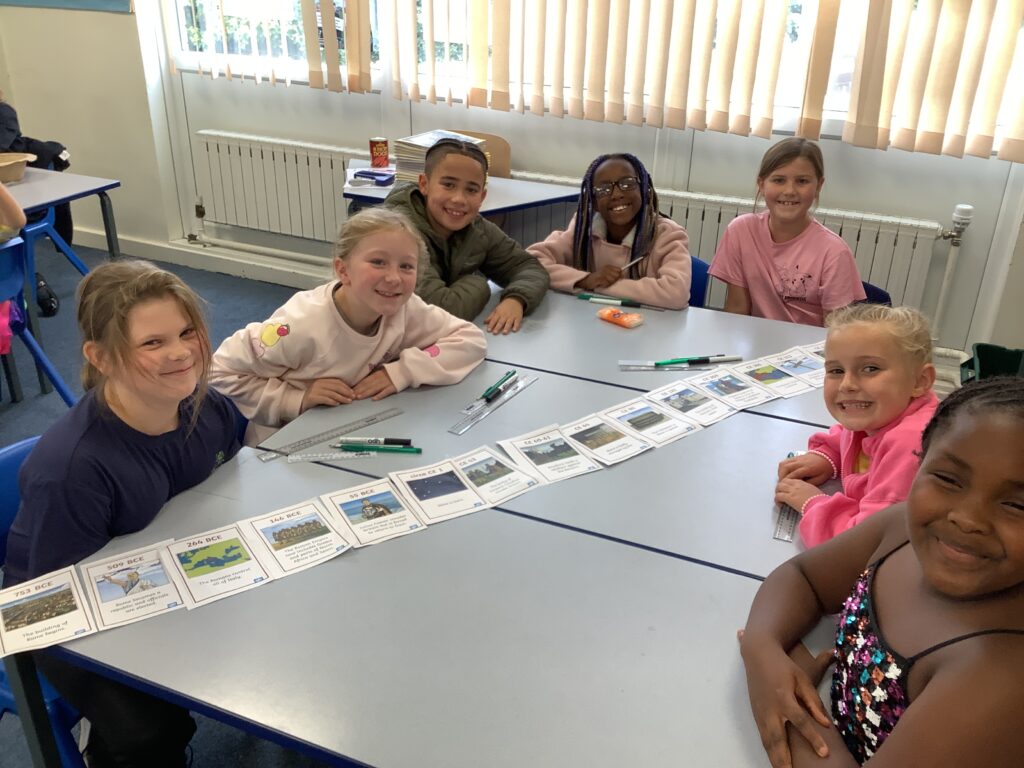
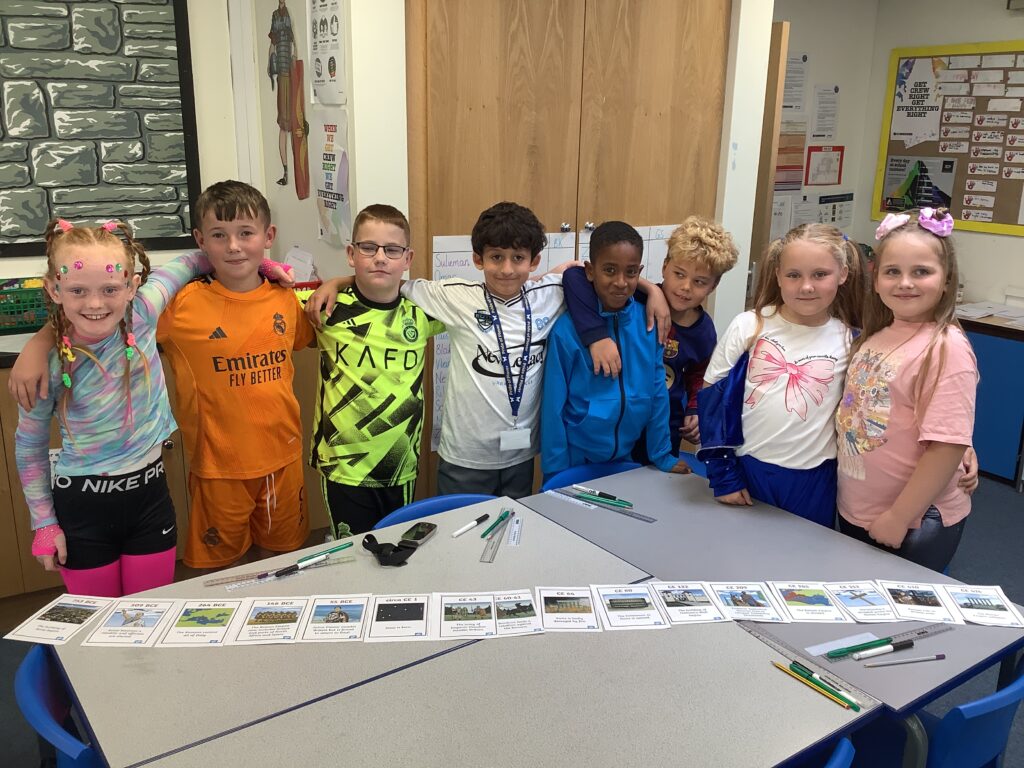
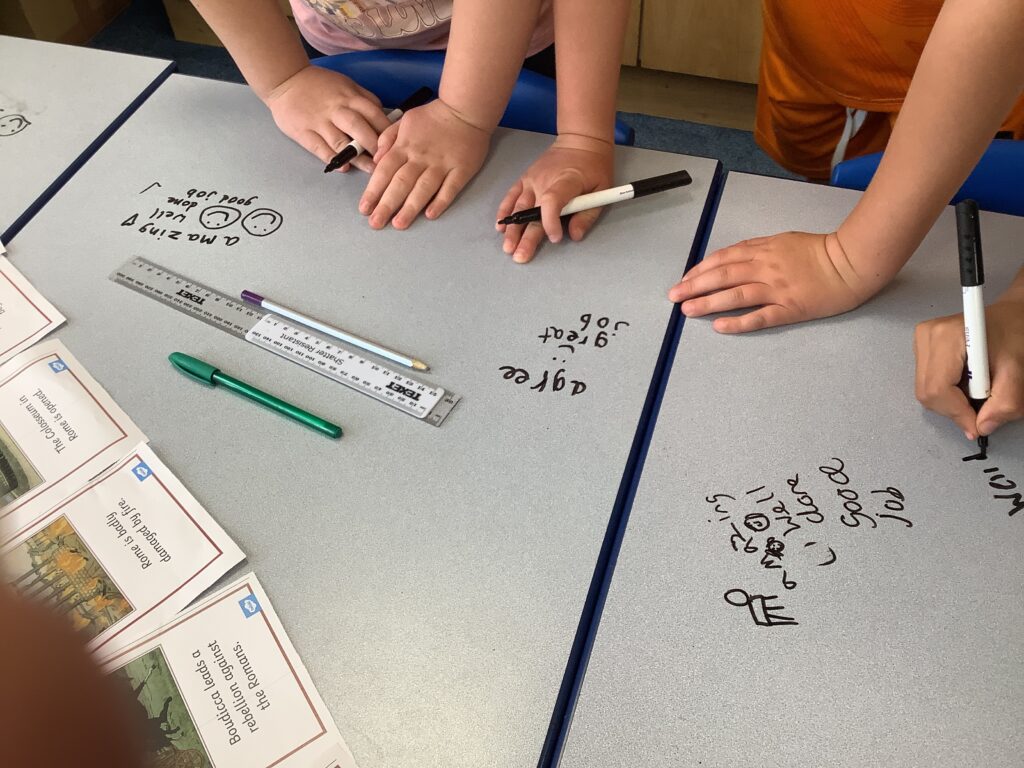
We have successfully worked in teams to place many of the key events of the growth of the Roman Empire on a timeline. We found it really exciting when we were able to provide written feedback for our peers too.

Mrs Haycock

#LovePlover
Poppies for Peace

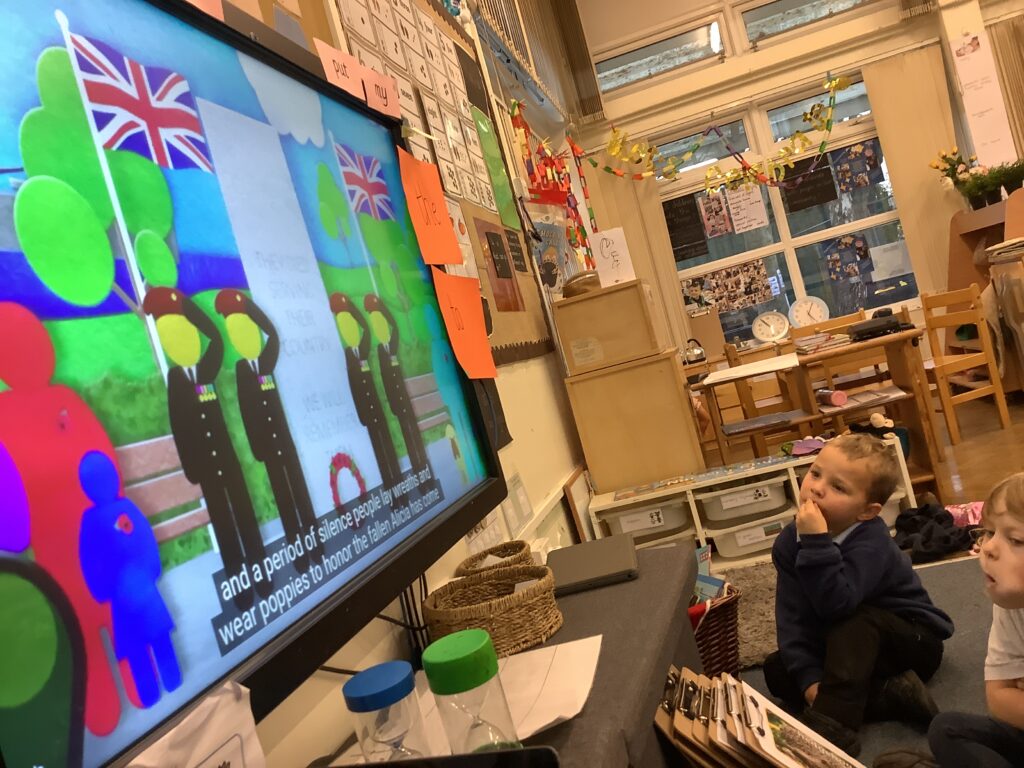
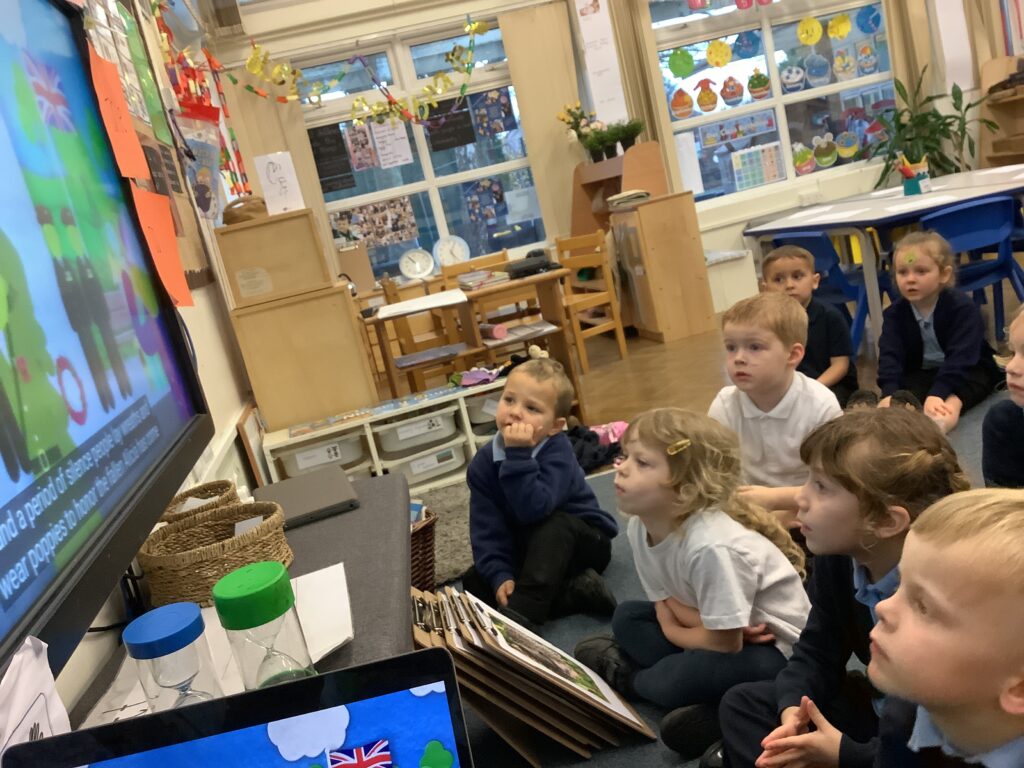
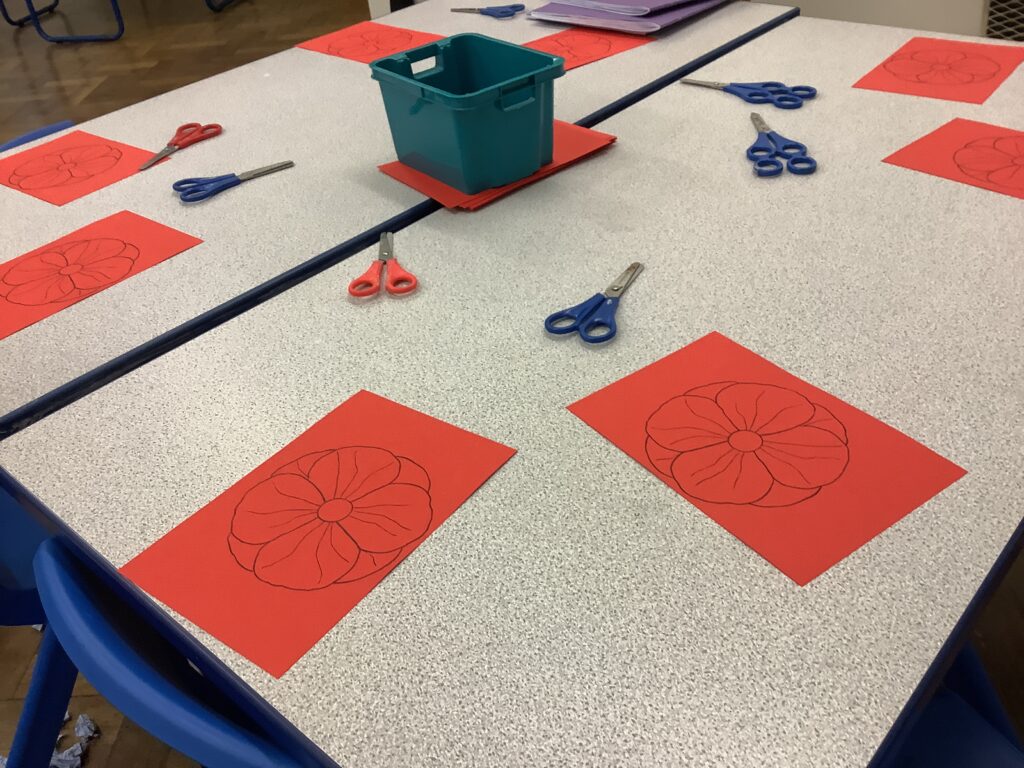
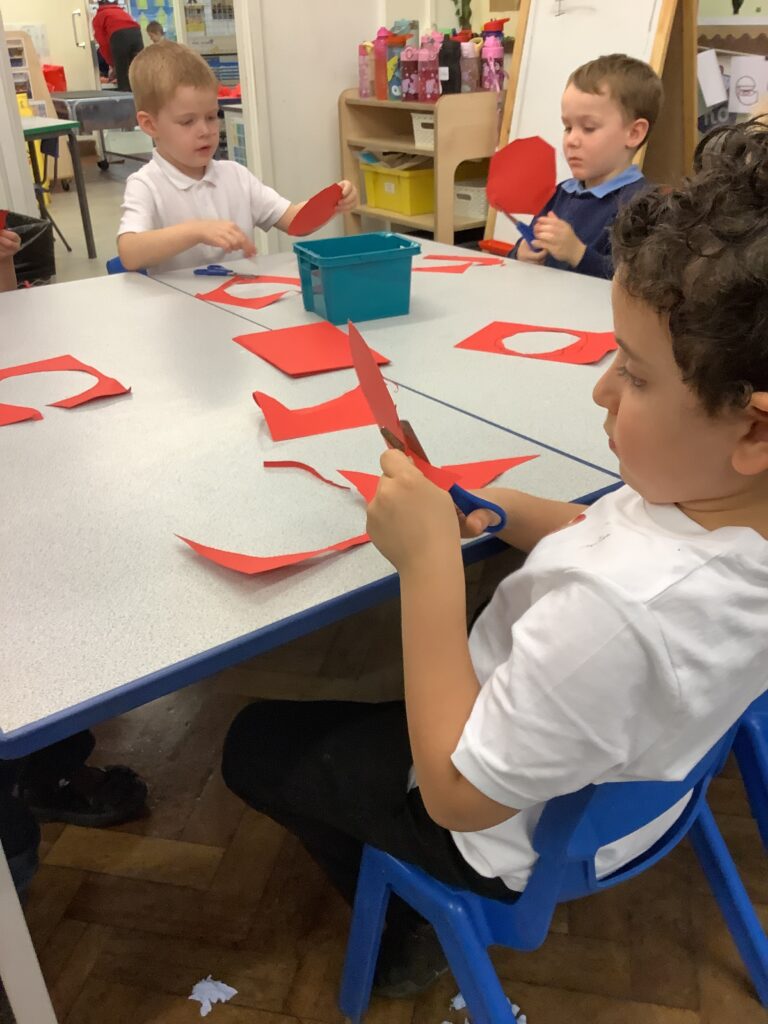
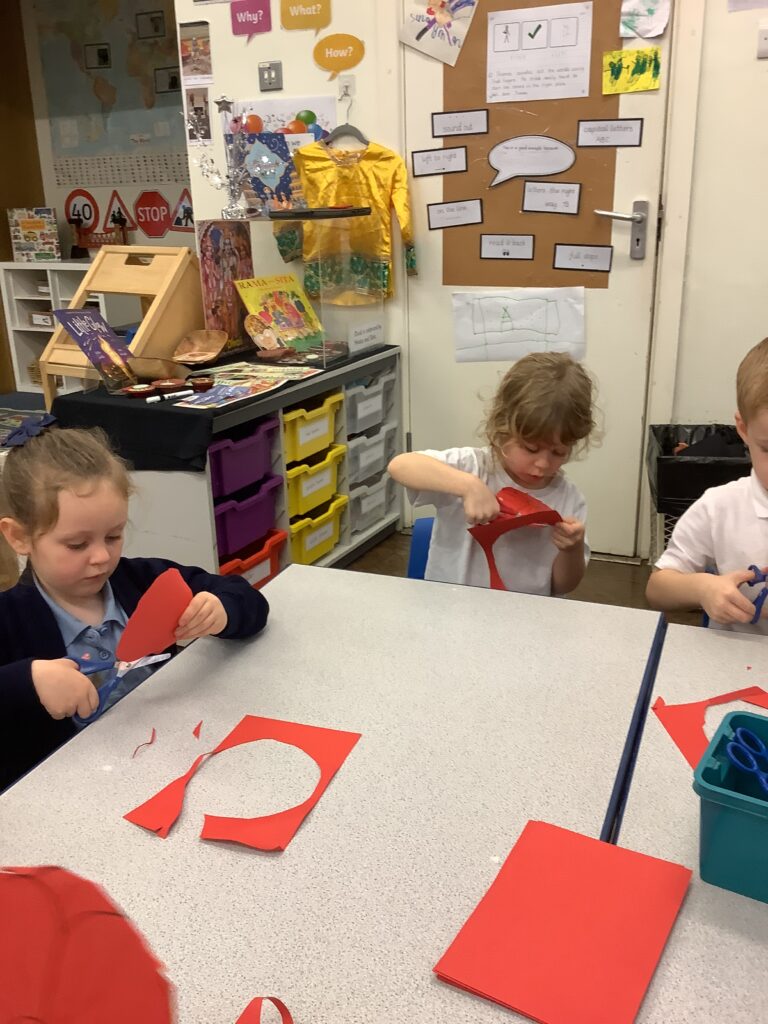
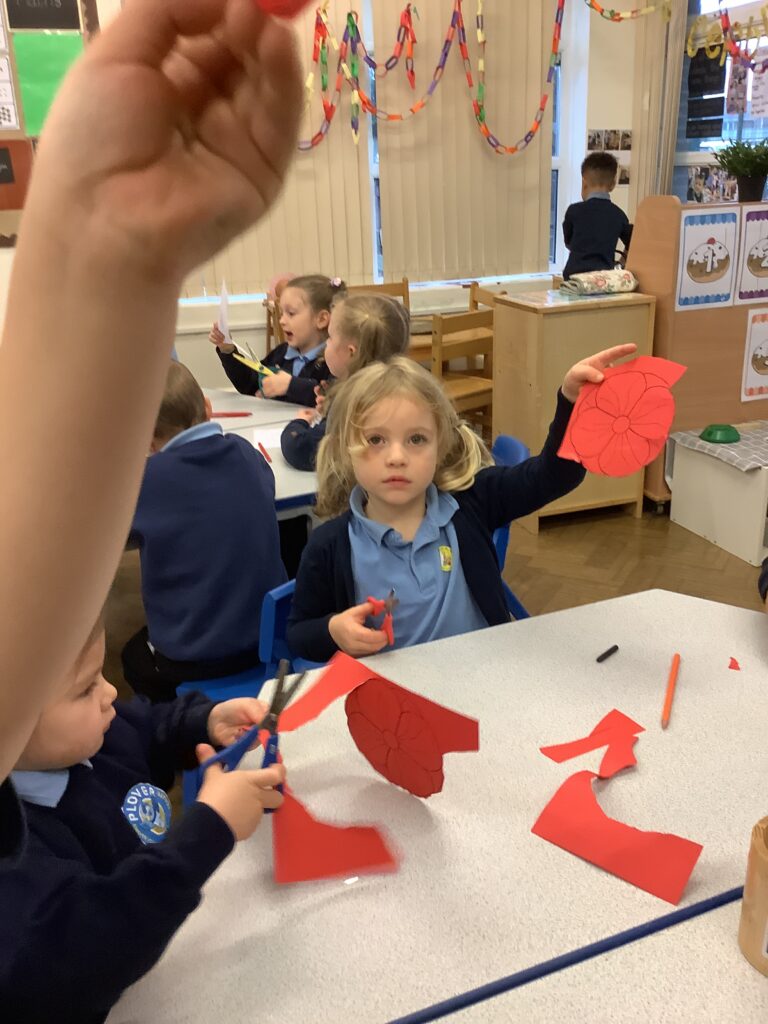
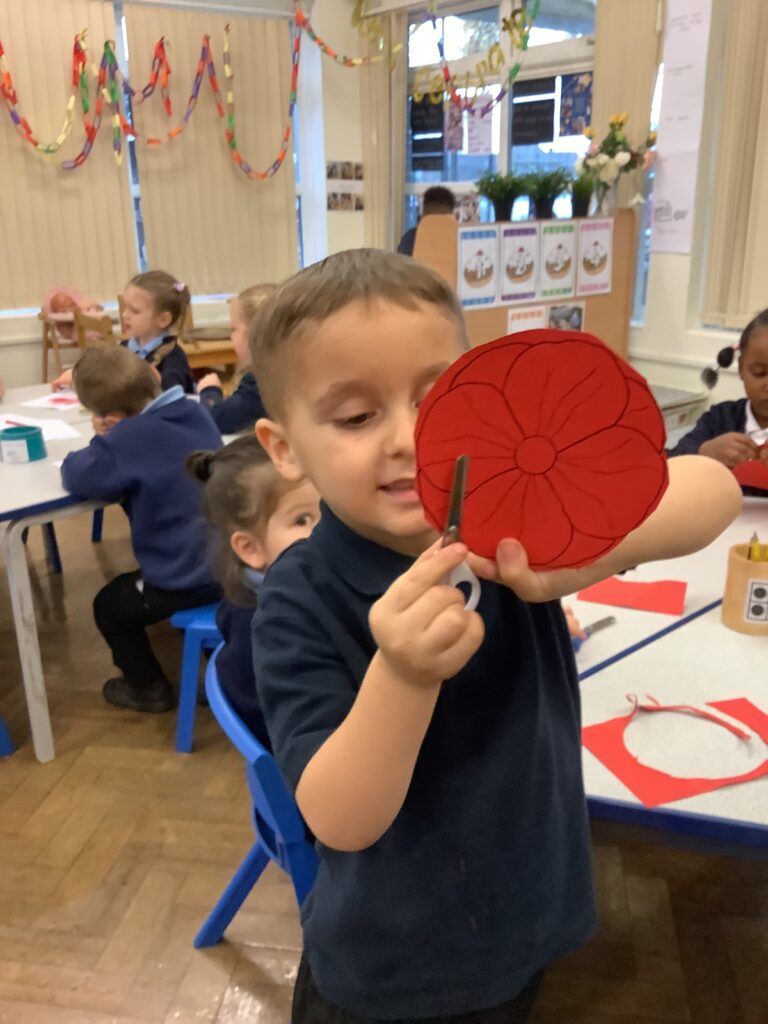
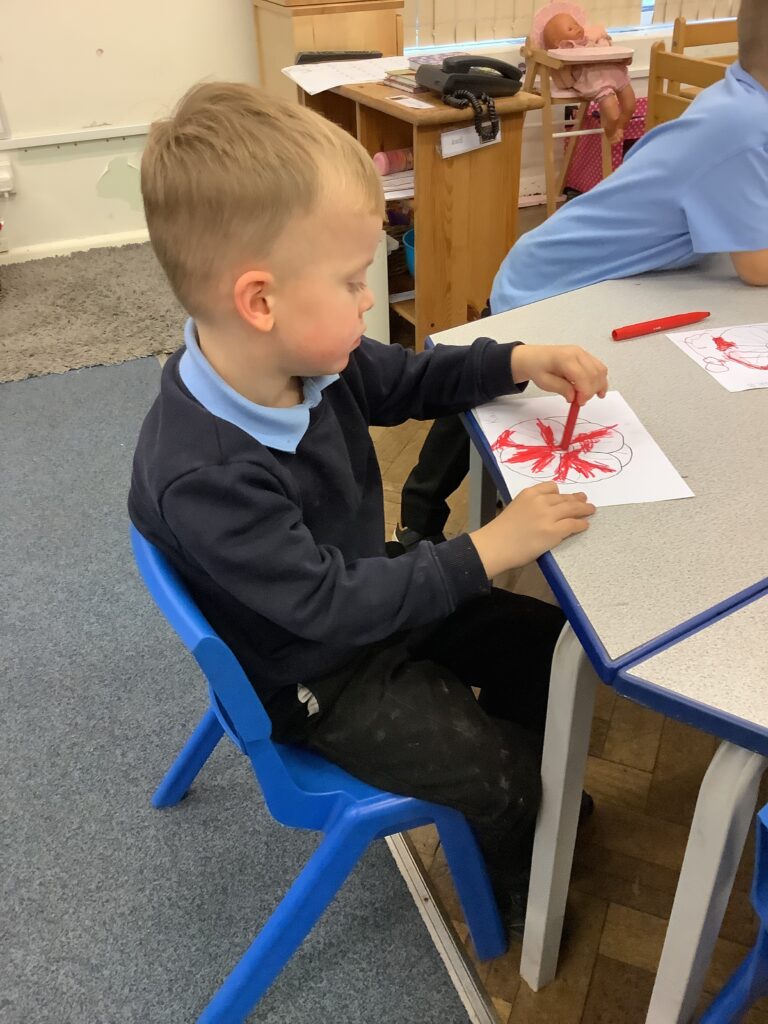
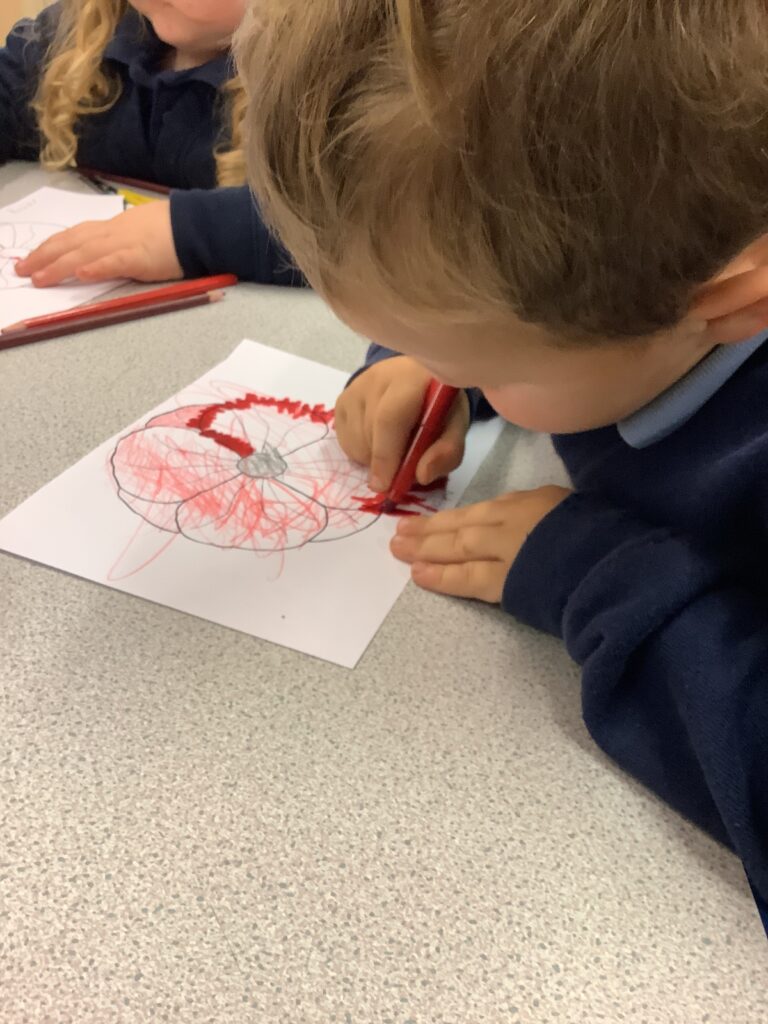
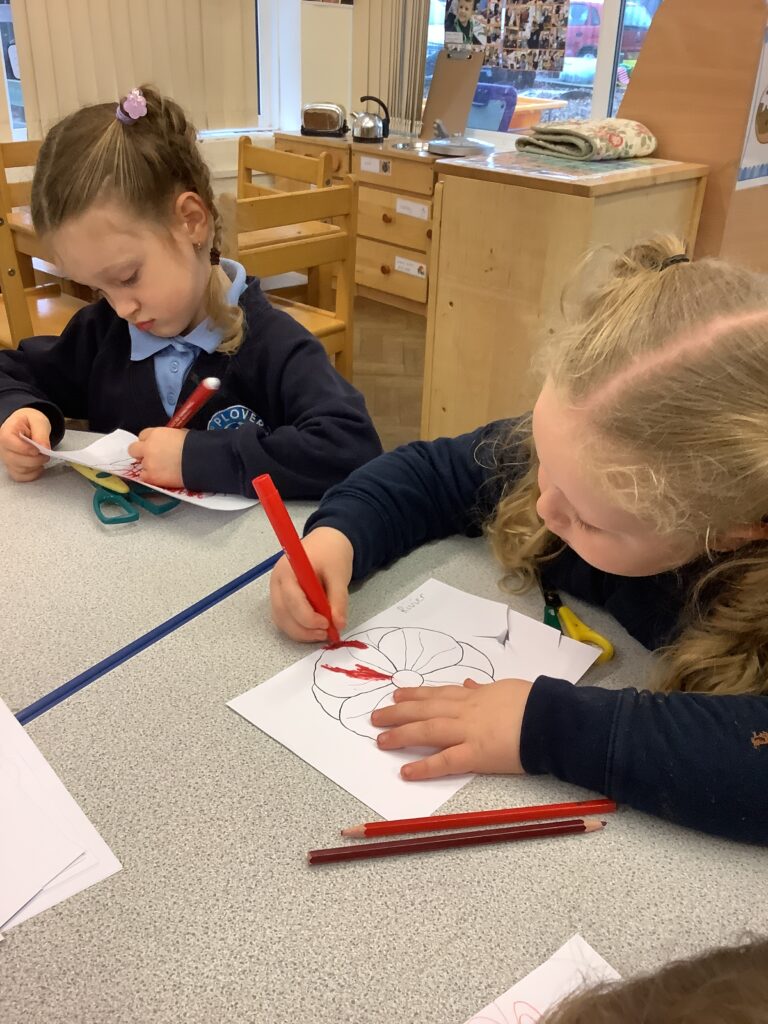
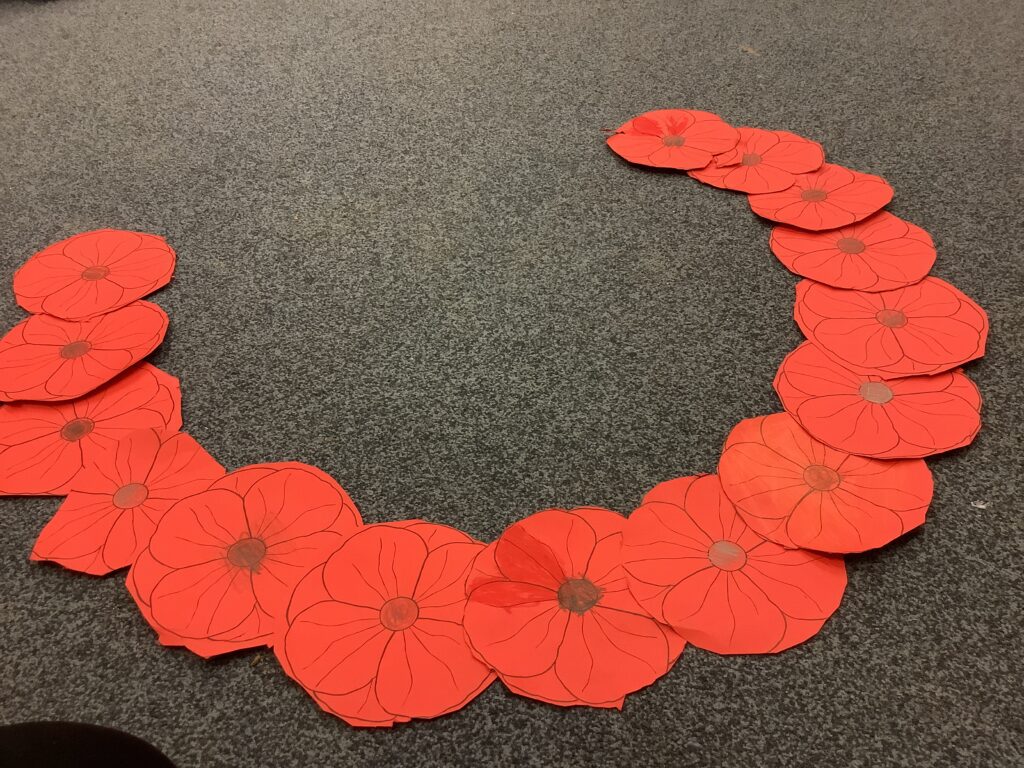
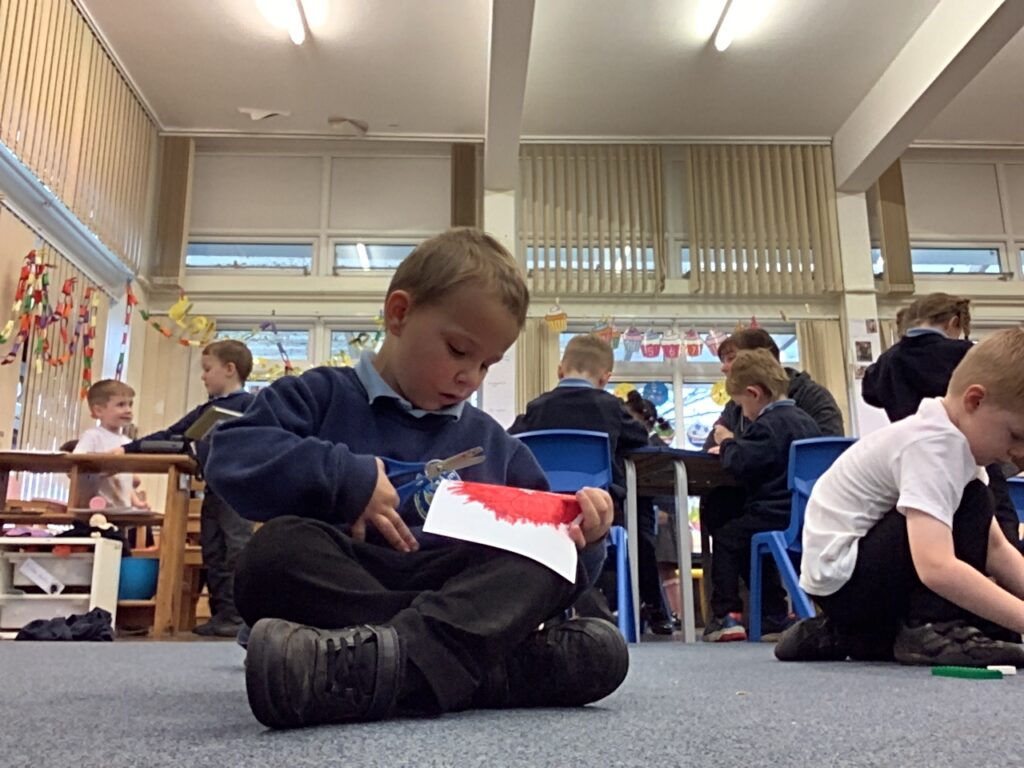
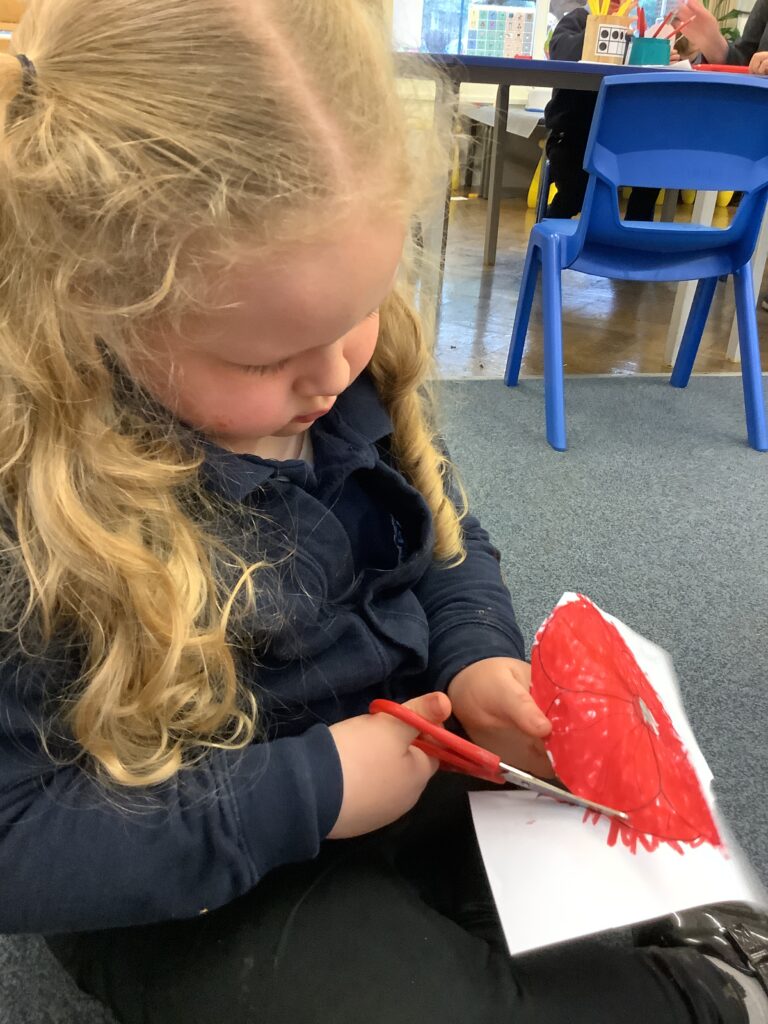
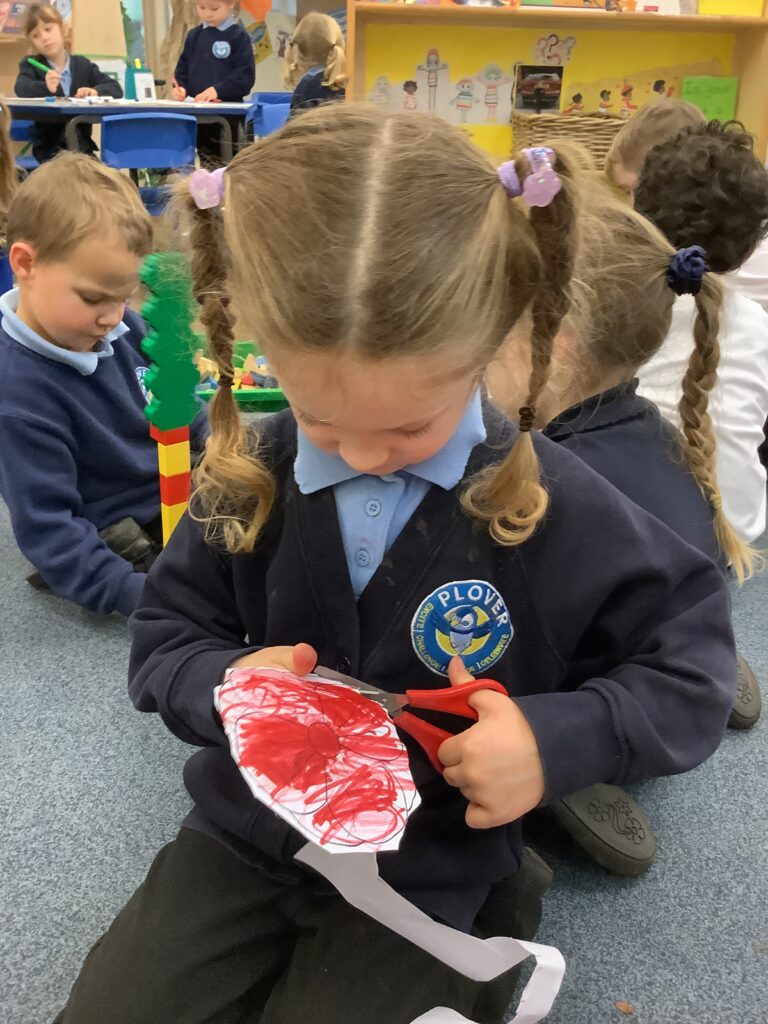
Today, we learned about why we have poppies. We watched a video about soldiers and how they fought so that we have peace in our country. Now when we see poppies, we can smile and thank the soldiers for peace-Poppies for Peace! We made our own poppie and put it together to make a wreath. We will take our wreath to our special Remembrance Assembly, tomorrow.
#loveplover #lestweforget
Home Learning

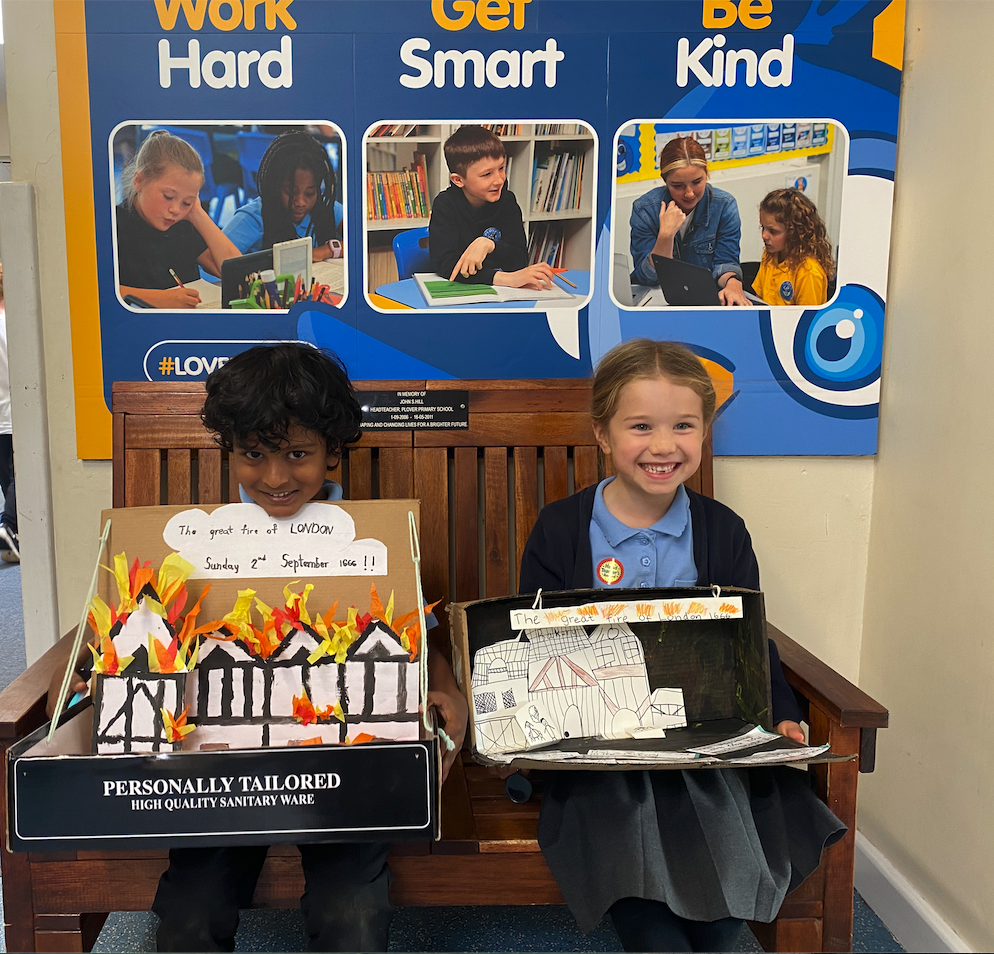
We have seen some amazing Great Fire of London home learning come in this term.

We love seeing and sharing these in class. Well done to everyone who has completed home learning this term.

We are Historians.

2P have been History detectives as we explored the events of the Great Fire of London. We pieced together evidence to see if we could work out who or what was to blame for the fire starting and spreading. We discussed the evidence from different sources and concluded that it was the result of several factors, including the weather, Thomas Farriner, the Lord Mayor of London, and the way houses were built. We followed that up by looking at evidence from different artefacts that archaeologists have discovered, along with diary evidence from Samuel Pepys, to work out what we could learn about London in 1666. We are getting really good at identifying the cause and effects of events at the time!
#LovePlover